A Guide to Coral Gables Luxury Home Architecture Styles
July 23, 2026
July 23, 2026
Ever notice how two luxury homes in Coral Gables can feel equally impressive, yet offer completely different living experiences? That is part of what makes this market so compelling. If you are buying or selling in Coral Gables, understanding the area’s architectural styles can help you read value more clearly, spot the right fit for your lifestyle, and market a property with more precision. Let’s dive in.
Coral Gables was planned with a strong design identity from the start. The city describes itself as shaped by both the City Beautiful and Garden City ideas, and that vision still influences how homes look today.
You can see that legacy in the city’s zoning and design review framework. Coral Gables defines Mediterranean architecture as a key expression of George Merrick’s vision, and the city continues to guide new work through design review and the Board of Architects.
That consistency is a big reason Coral Gables feels different from other luxury markets in Miami-Dade. Even when homes vary in age or size, there is often a visual connection through materials, landscaping, scale, and outdoor living.
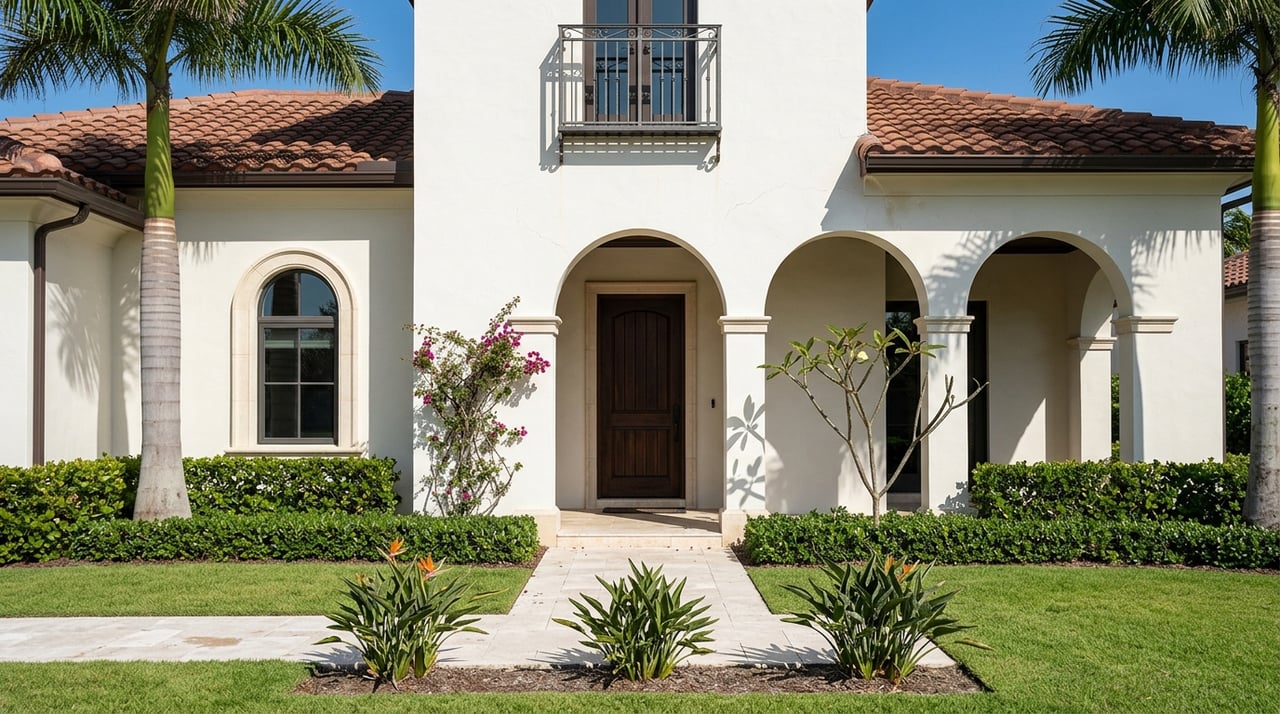
Mediterranean Revival is the style most people associate with Coral Gables. In this market, though, it is not limited to one narrow Spanish look. The city’s own design discussions describe it as an eclectic tradition influenced by Italian, Spanish, and Moorish precedent.
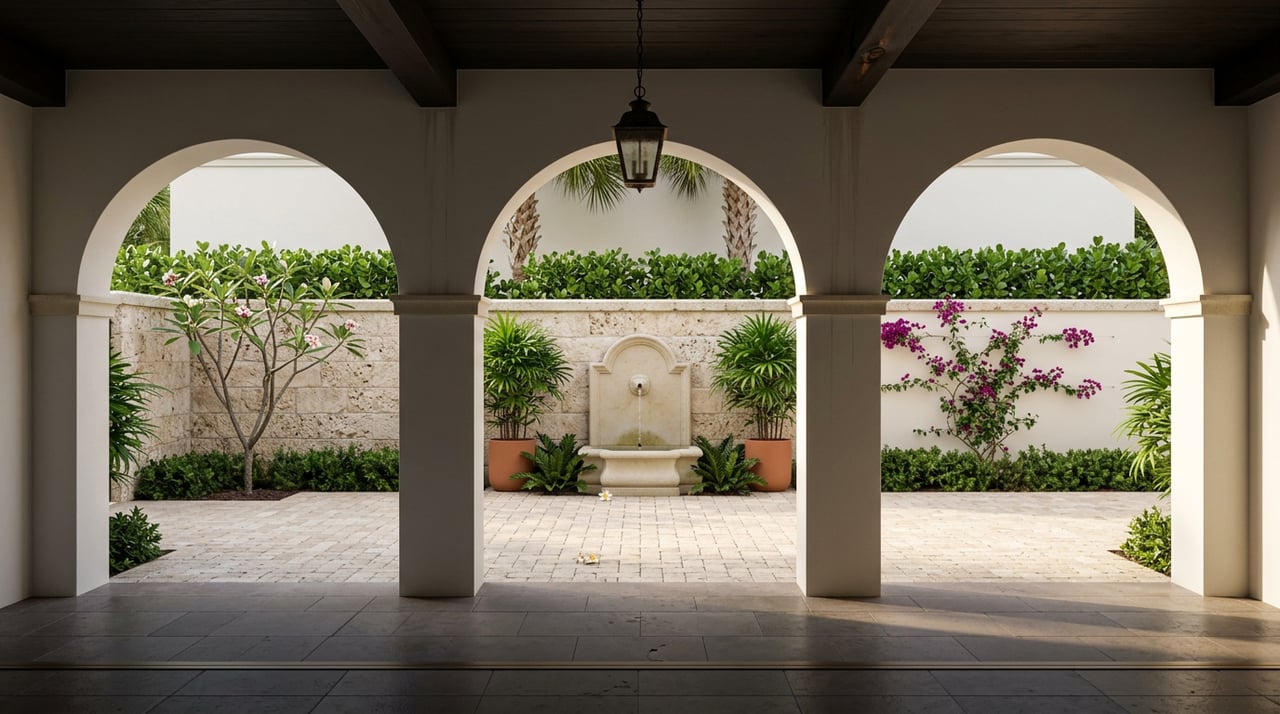
Many Mediterranean Revival luxury homes include:
These elements are not just decorative. They shape how the home lives day to day, especially if you enjoy patios, gardens, and rooms that open naturally to the outdoors.
Mediterranean homes often feel romantic, grounded, and tied to the history of Coral Gables. They can offer a sense of permanence that many luxury buyers want, especially when original details have been preserved and major systems have been thoughtfully updated.
For sellers, this style can be a major advantage when it is presented correctly. Buyers in Coral Gables are often drawn to authenticity, so original materials and architectural character can be as important as square footage.
In Coral Gables, you will often hear the term Old Spanish in luxury listing language. Locally, that usually points to an early historic home with classic romantic detailing, rather than a strict architectural category that stands apart from Mediterranean Revival.
In practice, the terms overlap. Old Spanish usually describes a historic house from the city’s earlier period, while Mediterranean Revival works as the broader umbrella.
Old Spanish homes in Coral Gables often highlight features such as:
A current example from local listing data is 1231 Catalonia Ave, a 1928 home described as an Old Spanish classic reimagined as a Mediterranean masterpiece. The listing emphasizes its private courtyard, spa-pool, guest house, shell stone patio, and old Chicago brick driveway.
That kind of property helps show what buyers are often paying for in this segment. It is not only the house itself, but also the sense of story, craftsmanship, and setting.
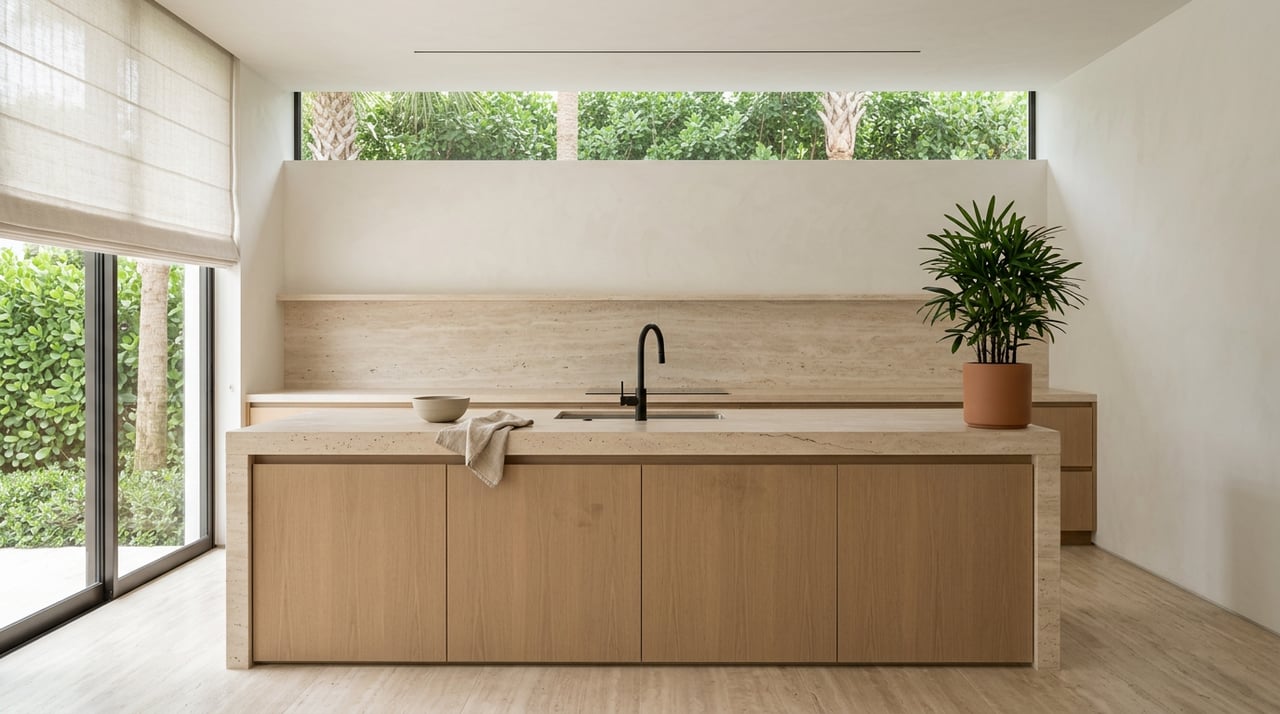
Not every Coral Gables luxury home leans historic. Newer properties often move in a cleaner, more contemporary direction, with an emphasis on light, openness, and indoor-outdoor flow.
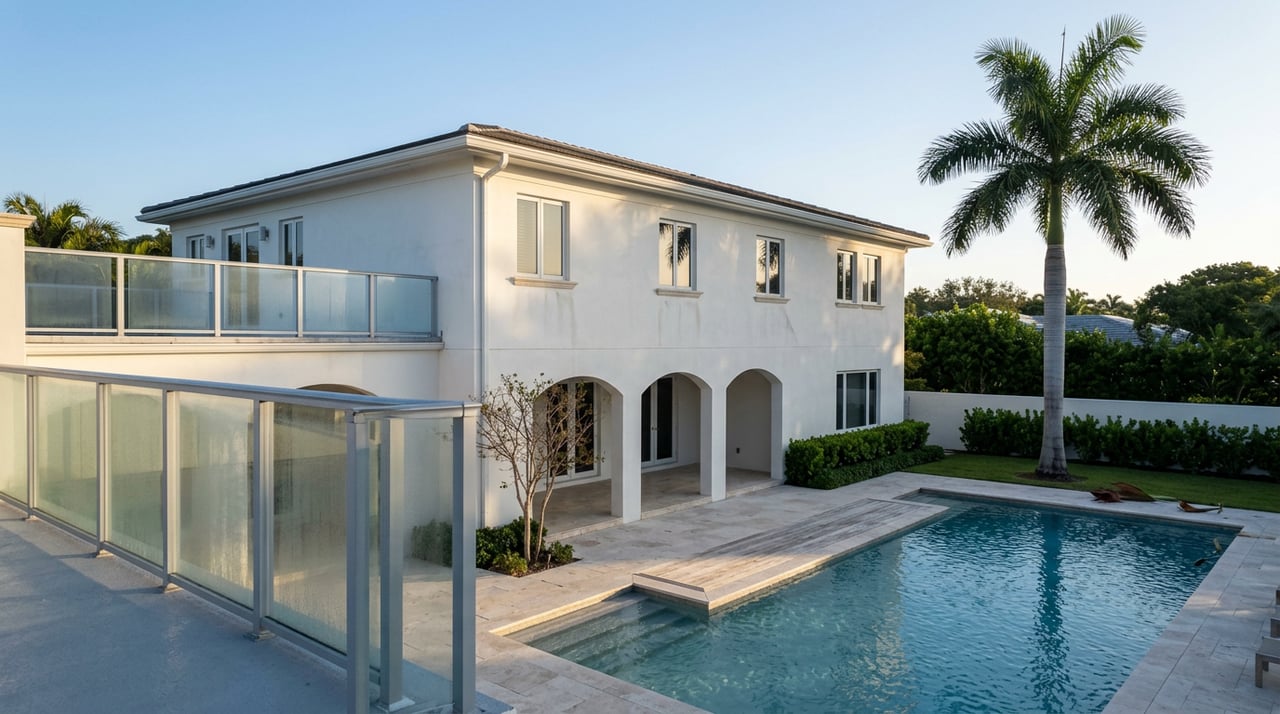
These homes are often described in listing language as tropical modern, contemporary, or even Balinese-inspired. Instead of ornate detailing, they usually focus on glass, volume, views, and seamless transitions to terraces or pool areas.
In newer Coral Gables luxury homes, you may see:
A local example is 6853 Sunrise Ct, a 2023 tropical modern waterfront estate listed at $16.3 million. Its marketing centers on sweeping terraces, floor-to-ceiling glass, open living areas, and a strong indoor-outdoor living experience.
At the top end of the market, 6941 Sunrise Ct shows how far this style can go. That 2026 contemporary new construction listing is priced at $40 million and emphasizes three levels, extensive water frontage, panoramic views, and a powerful indoor-outdoor program.
Mediterranean style may define the city’s identity, but Coral Gables was never meant to be visually one-note. The city intentionally introduced thematic villages to bring variety into the original plan.
Those villages included Dutch South African, Chinese, French Normandy, Colonial, French Country, French City, and Italian influences. In today’s market, these styles are more important as historical context than as the dominant luxury product, but they help explain why Coral Gables can feel more layered and eclectic than people expect.
For buyers, this matters because architectural discovery is part of the appeal. For sellers, it means your home may stand out not only for finishes or location, but also for how it fits into Coral Gables’ broader design story.
Architecture is not just about curb appeal. In Coral Gables, style often shapes how you actually use the home.
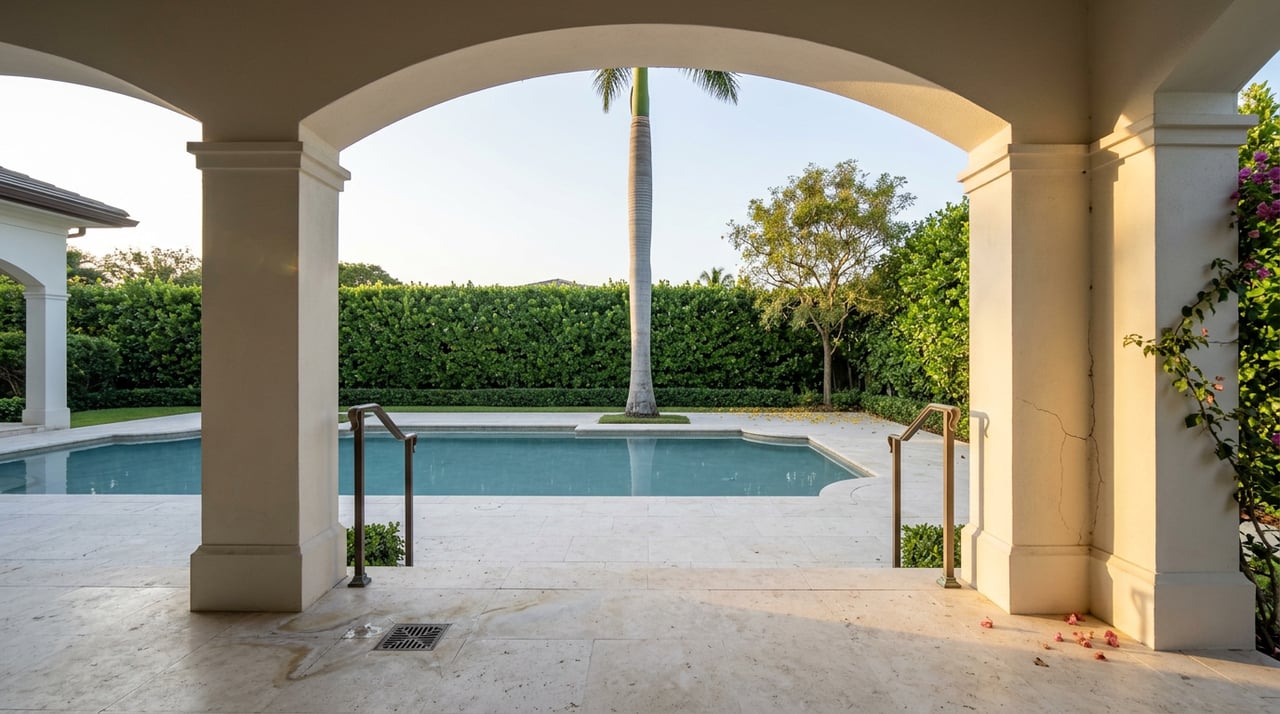
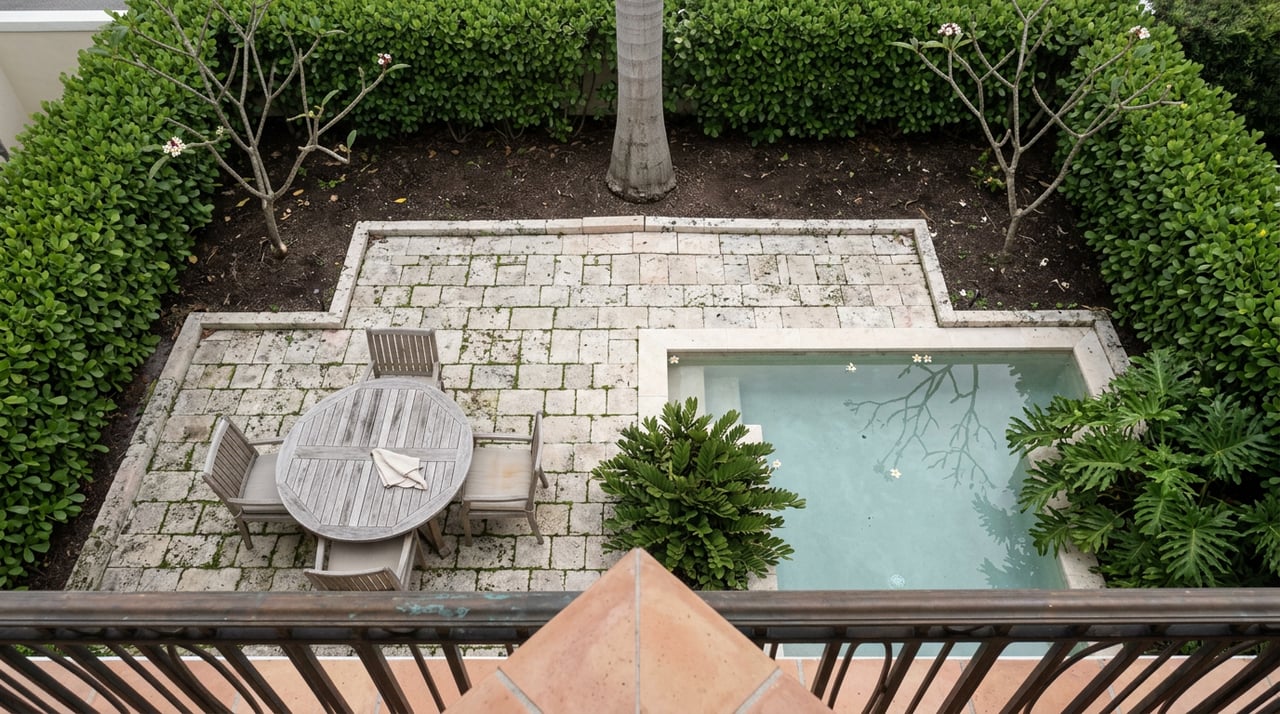
Mediterranean and Old Spanish homes tend to center on courtyards, loggias, patios, and garden rooms. They often feel inward-looking in a very appealing way, with private outdoor spaces that support quiet mornings, evening entertaining, and a more traditional flow from room to room.
Modern tropical and contemporary homes usually emphasize openness. If you want broad sightlines, large glass walls, easy entertaining, and a stronger visual connection to water or landscaping, this style may fit your life better.
| Style | Lifestyle feel | Typical outdoor focus |
|---|---|---|
| Mediterranean Revival | Classic, garden-centered, layered | Courtyards, fountains, patios, loggias |
| Old Spanish | Historic, intimate, character-rich | Courtyards, masonry patios, private gardens |
| Modern tropical/contemporary | Open, airy, resort-like | Terraces, pools, wide decks, water views |
When I advise buyers, one of the most useful questions is simple: how do you want the home to feel at 7 p.m. on a normal Tuesday? The answer often points you toward the right style faster than a features list does.
Architectural style matters in Coral Gables, but it is rarely the only pricing driver. Condition, lot, waterfront access, updates, and overall presentation still play a major role.
That said, current listing examples show how wide the style-driven price spectrum can be. Preserved Mediterranean or Old Spanish homes in the low-to-mid $3 million range can attract strong interest when they combine historic pedigree with tasteful updates.
At the same time, newer tropical modern or contemporary waterfront estates can reach the mid- to high-8-figure range. That is best understood as a market pattern visible in current listings, not a fixed pricing rule.
A useful example is 1240 Castile Ave, a 1926 Mediterranean Revival home with a value shown around $2.83 million to $2.84 million in current listing data. The home pairs classic architecture with impact windows and doors, a large pool, and generous green space, which is exactly the kind of blend many buyers want.
In Coral Gables, maintenance often follows the material palette. Historic homes commonly feature stucco, clay tile, coral rock or limestone, wood beams, and ironwork, and each of those materials comes with its own upkeep considerations.
If you are evaluating a Coral Gables luxury home, start with:
These checks matter even more in South Florida. Miami-Dade hurricane season runs from June 1 through November 30, and many renovated listings specifically highlight newer roofs and impact openings because storm hardening is a major buyer expectation.
Tree conditions also deserve attention. Coral Gables requires a tree survey and protection plan for development review and demolition permits, so mature landscaping can be both a major asset and an important practical factor.
If you are selling a luxury home in Coral Gables, architecture should shape your marketing strategy. Buyers here are often responding to a full story, not just bedroom count and finishes.
For a Mediterranean or Old Spanish home, preserved materials, courtyard spaces, clay tile, ironwork, and historic character should be presented clearly. For a modern tropical home, the focus may shift to glass lines, terraces, light, water views, and the strength of the indoor-outdoor layout.
This is where careful presentation can change how the market sees a property. In a style-driven market like Coral Gables, the right visuals and positioning help buyers understand not only what the home has, but why it feels special.
If you are buying, selling, or simply weighing your options in Coral Gables, I can help you evaluate how architecture, condition, and presentation come together in today’s market. To schedule a free consultation, connect with Eric Edward Exhibits.
Stay up to date on the latest real estate trends.

Eric Periu
Primary phone
Address
20803 Biscayne Blvd
Aventura FL 33180