Fort Lauderdale Condo vs House: Weighing Key Tradeoffs
December 4, 2025
December 4, 2025
Trying to choose between a condo and a house in Fort Lauderdale? The right answer depends on how you want to live, what you want to spend each month, and how much responsibility you want to take on. You face unique coastal factors here, from HOA assessments to wind and flood insurance to seawalls and boating access. In this guide, you will see the key tradeoffs, a practical cost and risk framework, and a due diligence checklist tailored to Fort Lauderdale so you can move forward with confidence. Let’s dive in.
Fort Lauderdale has a high concentration of condominiums near the beach, the Intracoastal Waterway, and downtown/Las Olas. You will also find many single‑family neighborhoods inland and along canals with boat‑capable properties. Seasonal owners, retirees, boaters, and longer‑term primary residents each gravitate to different options based on lifestyle needs.
Coastal conditions matter here. Fort Lauderdale is a low‑lying coastal city with exposure to tropical storms, hurricanes, storm surge, and nuisance flooding. Those risks affect insurance availability and cost, long‑term maintenance, and resale. Florida’s insurance market, including flood insurance dynamics and changes in private carriers, also influences monthly carrying costs for both condos and houses.
Condos often offer a lower entry price than a similar‑size single‑family home in Fort Lauderdale’s core areas. High‑amenity or luxury waterfront condos can rival or exceed single‑family prices, so it is property specific. Single‑family homes tend to have higher purchase prices per unit of space, especially when lot size, dockage, and neighborhood prestige come into play.
Monthly costs look different by product type:
A simple way to compare monthly cash flow:
In most buildings, the association is responsible for the exterior, roof, structural systems, landscaping, pools, and docks if those are common elements. You are generally responsible for interior items and personal property per the declaration. The benefit is less day‑to‑day maintenance, which is ideal for seasonal or absentee living. The tradeoff is shared risk. Underfunded reserves or deferred maintenance can lead to special assessments for big projects like roofs, structural repairs, or façade work.
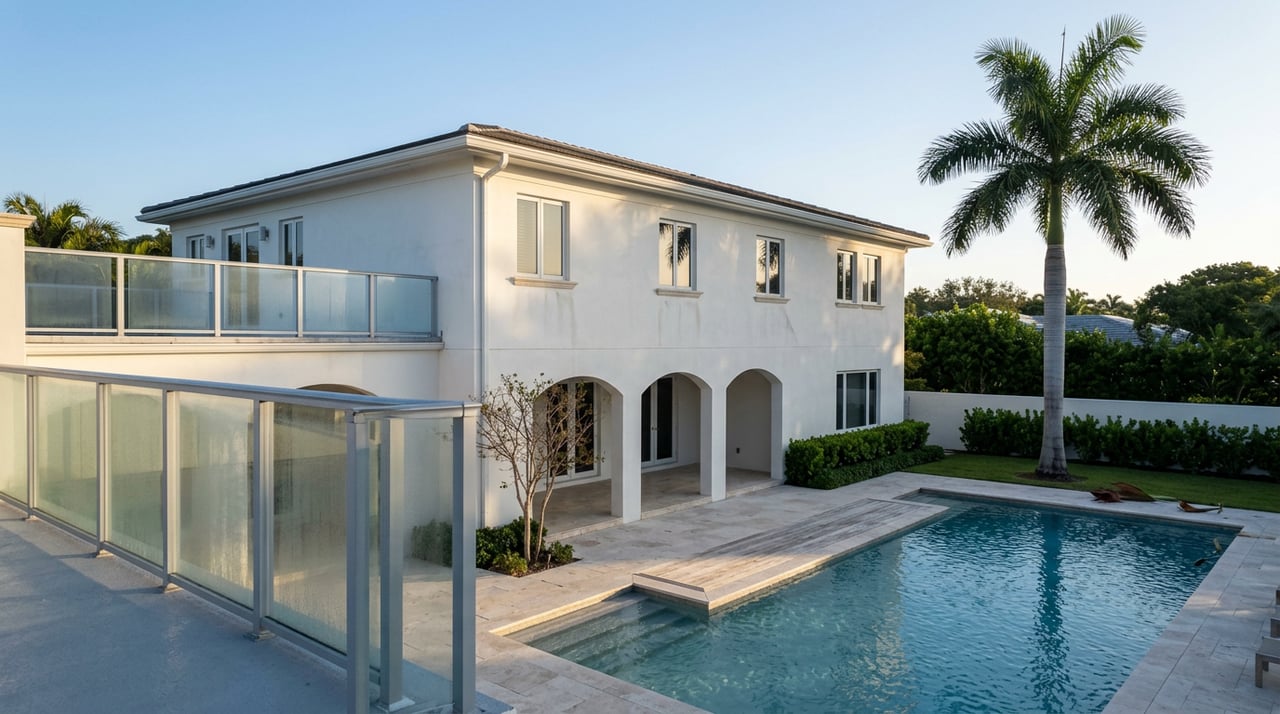
With a house, you control timing and contractors, which many buyers value. You also assume full responsibility for roof, HVAC, pool, and structure. Waterfront homes require more frequent exterior care due to salt and sun, and ongoing attention to seawalls, docks, and bulkheads. Costs can arrive in uneven, larger chunks rather than a steady monthly fee.
Condo associations in Fort Lauderdale operate under Florida condominium law and their own declarations and bylaws. Before you buy, review the association’s reserve study and funding levels, recent or pending special assessments, litigation history, rental and short‑term rental policies, and meeting minutes and budgets. Look closely at the master insurance policy and deductibles. In single‑family HOA communities, many of the same checks apply, though governance can be less complex than a large vertical building.
Condos carry an association master policy that insures common elements and the exterior shell. Coverage types vary, so confirm whether your building uses a “bare walls” or “all in” approach. You will typically carry an HO‑6 policy for your interior build‑out, personal property, and loss assessment coverage. Master policy premiums and deductibles have been rising in Florida, and owners can be exposed to high loss assessments if deductibles are large and reserves are inadequate.
Single‑family owners carry a homeowner’s policy, often with separate or endorsed wind and hurricane coverage. If the home lies in a FEMA special flood hazard area, lenders require flood insurance. Coastal single‑family homes can face high wind and flood premiums or insurer availability issues. Always verify actual recent premium amounts for the specific property, confirm its flood zone, and ask about recent claims history.
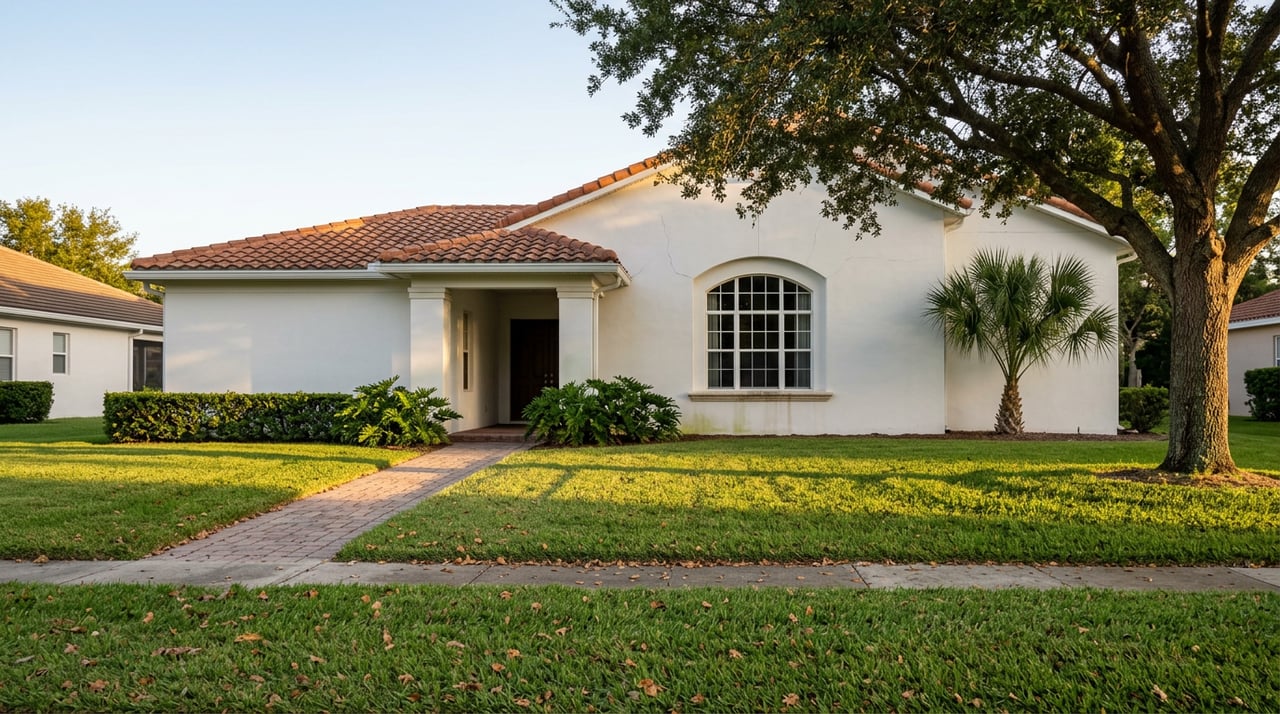
If you want more private outdoor space, a yard, a garage, and separation from neighbors, a single‑family home usually delivers. If you prefer low‑maintenance living with security and amenities like pools and fitness centers, a condo can be a great fit. Many Fort Lauderdale condos place you close to the beach or Las Olas, which supports a walkable, lock‑and‑leave lifestyle. Houses allow more customization, which can add maintenance and insurance costs.
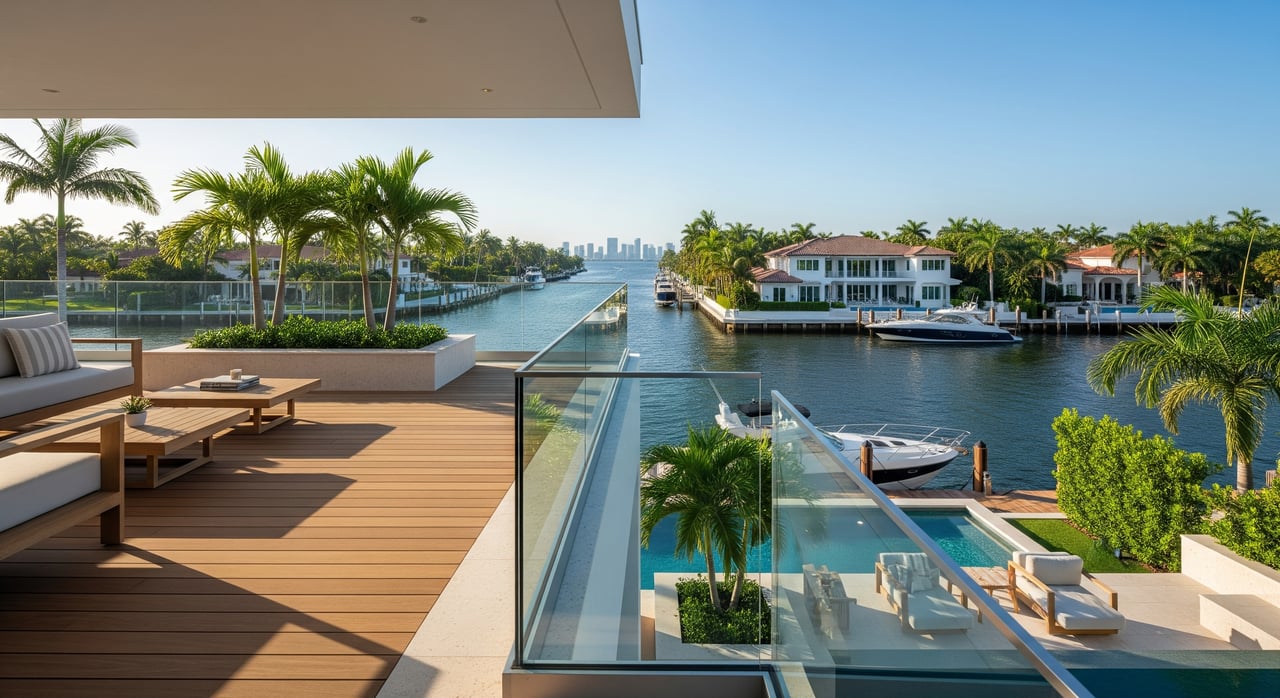
Both condos and houses can be waterfront in Fort Lauderdale. Many condos on the Intracoastal or canals offer slips as limited common elements or for rent. Rules vary by building, and availability can be limited. Single‑family waterfront lots commonly include private docks that give you more control and responsibility for maintenance and permitting. For either option, verify seawall condition, permit history, and any engineer reports before you buy.
Condos draw interest from first‑time buyers, seasonal owners, and investors, though some buyers avoid condos due to concerns about assessments or governance. Lenders tightened condo approvals after the Surfside tragedy, so building age, condition, and reserve strength can affect financing and resale. Single‑family homes appeal broadly to buyers who want more space and control. Waterfront single‑family homes in desirable areas often command a premium and maintain strong interest if well maintained.
Start with weighted factors that match your goals:
Examples:
If you want a clear, property‑specific comparison of monthly costs, insurance exposure, and risk, I will help you line up real numbers and documents so you can decide with confidence. For buyers who want options, I also curate select on‑ and off‑market opportunities across South Florida. When you are ready, schedule a conversation with me at Eric Edward Exhibits and we will map the path that fits your lifestyle and budget.
Stay up to date on the latest real estate trends.

Eric Periu
Primary phone
Address
20803 Biscayne Blvd
Aventura FL 33180