Miami Beach vs Miami Condos: A Detailed Market Guide
December 18, 2025
December 18, 2025
Beachfront energy or urban skyline living? If you are comparing condos in Miami Beach and Miami on the mainland, the differences go far beyond price. I work with buyers and sellers on both sides of the causeways and I know it can feel overwhelming to match buildings, budgets and lifestyles. In this guide, you will see how these markets diverge on pricing patterns, building age, amenities, HOA reserves, insurance and day‑to‑day experience. You will also get a practical checklist to shop smarter and sell with fewer surprises. Let’s dive in.
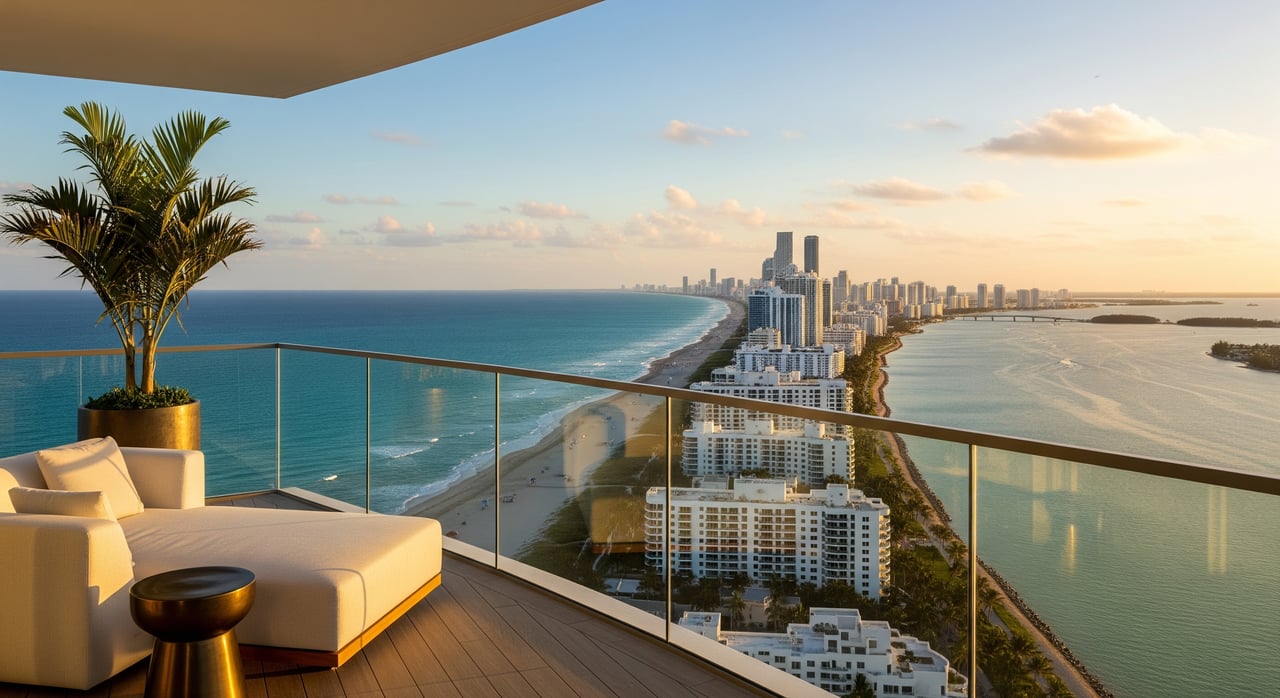
Miami Beach leans historic and beach‑driven, with many older low‑ to mid‑rise buildings near the sand. Mainland Miami skews newer and taller, with modern high‑rises in Brickell, Edgewater and Downtown. These profiles shape everything you feel and pay for, from views and amenities to HOA dues and insurance.
In general, ocean frontage and direct beach access in Miami Beach command premium prices per square foot. On the mainland, new luxury towers in Brickell and Edgewater can match or exceed those premiums for the newest or most exclusive inventory. The best way to validate current spreads is to review the latest neighborhood data in the MIAMI Association of Realtors market reports.
Bottom line: price is hyperlocal. View, building age, amenity level and rental rules often explain large spreads even within the same neighborhood.
Miami Beach has a deep stock of older buildings, including Art Deco and mid‑century properties. Many sit inside protected districts that preserve the historic scale and charm of the area. If you want context on why there are so many small, classic buildings here, the City maintains a helpful overview of Miami Beach historic preservation.
Mainland Miami offers a larger share of modern high‑rises, especially in Brickell and Edgewater, where construction since the 2000s reshaped the skyline. These towers typically include impact glass, modern wind design and integrated amenity floors.
If you are comparing two buildings, always verify the year built and major renovations. You can confirm property details through the Miami‑Dade County Property Appraiser.
Commuting also differs. Brickell and Downtown place you near employment centers and transit options. Miami Beach requires bridge crossings, so plan for traffic and parking if you regularly work on the mainland.
Miami Beach historically supports more short‑term rental product and condo‑hotel models, but local rules vary by zone and building. Mainland Miami has a wide mix as well, and many associations restrict short‑term rentals. Your yield and flexibility depend on building bylaws and city regulations. I always verify current association rules and municipal requirements before you commit.
Regardless of location, association strength matters. Older coastal buildings can face higher long‑term maintenance due to salt, moisture and concrete repairs. That is why reserve studies, inspection history and upcoming capital projects deserve close review. Industry guidance from the Community Associations Institute emphasizes professional reserve studies and transparent budgeting.
After the 2021 Surfside collapse, state and local oversight increased for older condominiums. Expect more scrutiny around structural reports and reserve adequacy, and be prepared to share documentation with lenders. For context on evolving building‑safety coverage, you can follow local reporting from the Miami Herald.
Flood risk differs by micro‑location and elevation. Miami Beach has more property within FEMA Special Flood Hazard Areas. Mainland neighborhoods range from higher‑risk zones to relatively elevated blocks. Always check a property’s flood zone using the FEMA Map Service Center, then confirm what the condo master policy covers and what you must insure individually. For program basics, review FEMA’s flood insurance overview.
Insurance markets are changing, especially along the coast. Master policies, wind deductibles and special assessments can impact your monthly costs and financing options. Some lenders limit loans to buildings with weak reserves or outdated inspections. If you plan to use VA or FHA financing, we will confirm building eligibility early to avoid closing delays.
Use this list to compare buildings apples to apples. I gather these items during the inspection window so you have clear answers before you finalize your offer.
If you are selling, a little prep goes a long way. Share a summary of your reserve study and any recent engineering reports, and gather the last two years of minutes and budgets. Buyers and lenders will ask for them, and having organized documents builds confidence.
Price strategy should reflect building age, reserve health, rental rules and amenity competitiveness. In some cases, comps within your own building carry the most weight. I will position your listing with professional presentation, direct MLS exposure and strong digital storytelling so qualified buyers see the value quickly.
These patterns help you align lifestyle with your budget. Then we look at the building‑level documents to confirm the numbers make sense.
I represent buyers and sellers across Miami‑Dade, with a focus on higher‑value residences and coastal properties. You get personal, full‑time guidance paired with brokerage scale through United Realty Group. I use direct MLS access, polished marketing and PropertyPanorama virtual tours to showcase listings, and I tap curated off‑market opportunities for qualified clients.
If you are deciding between Miami Beach and mainland Miami, I will build a side‑by‑side that compares price per square foot, HOA dues, reserves, insurance, rental rules and commute. You will see your top three contenders clearly so you can move forward with confidence.
Ready to compare the right buildings for your goals? Connect with me at Eric Edward Exhibits to schedule a free consultation.
Stay up to date on the latest real estate trends.




Eric Periu
Primary phone
Address
20803 Biscayne Blvd
Aventura FL 33180