Biscayne Park Neighborhood Guide to Village Living Near Miami
February 5, 2026
February 5, 2026
Looking for a quieter neighborhood that still keeps you close to Miami? If you want tree-lined streets, space to spread out, and a true village identity, Biscayne Park is worth a closer look. You get a small-town atmosphere inside Miami-Dade, with single-family homes and local parks, plus quick access to the city when you need it. In this guide, you’ll learn what daily life feels like, how the housing stock works, what costs and risks to consider, and how to shop smart. Let’s dive in.
Biscayne Park is an incorporated village with a genuine neighborhood feel inside the Miami-Miami Beach-Kendall metro area. Streets are low-rise and leafy, and the area is primarily residential. You get a stronger sense of place than many nearby neighborhoods.
Commercial activity is limited within the village boundaries. Most shopping and dining options sit on nearby corridors or in adjacent municipalities. This pattern is a big reason the streets are quieter and why many homes have larger yards than you find in denser parts of Miami.
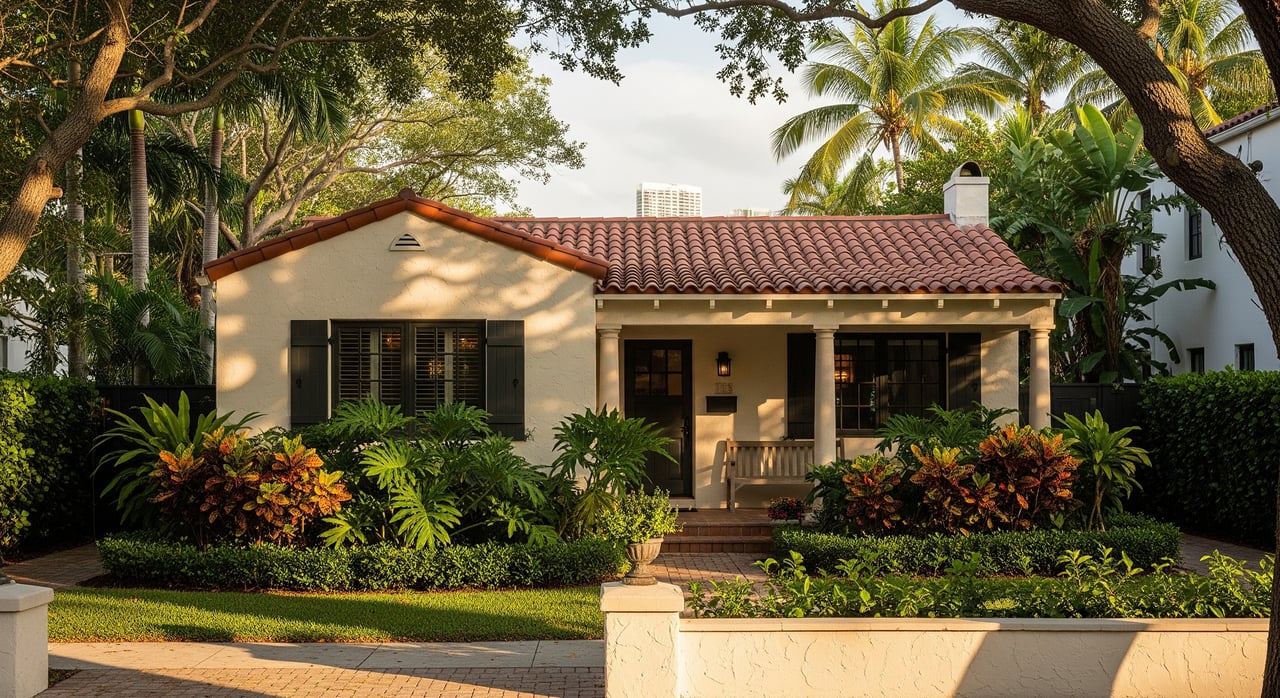
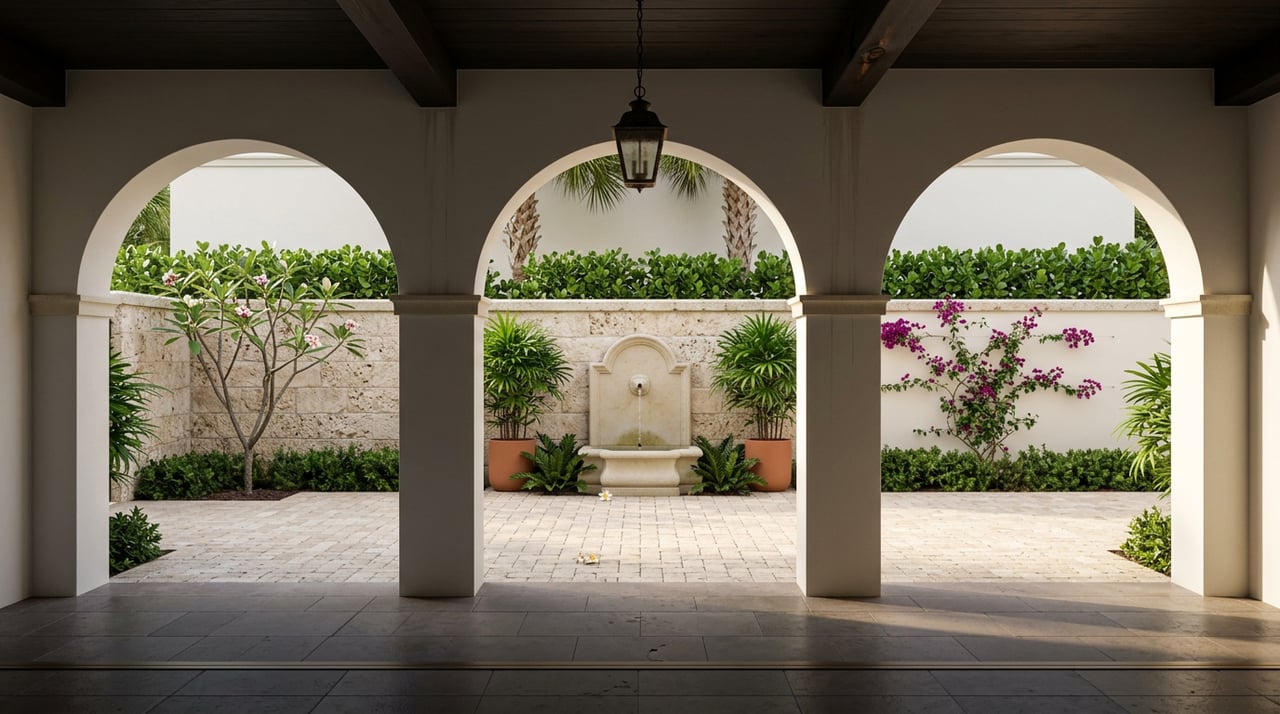
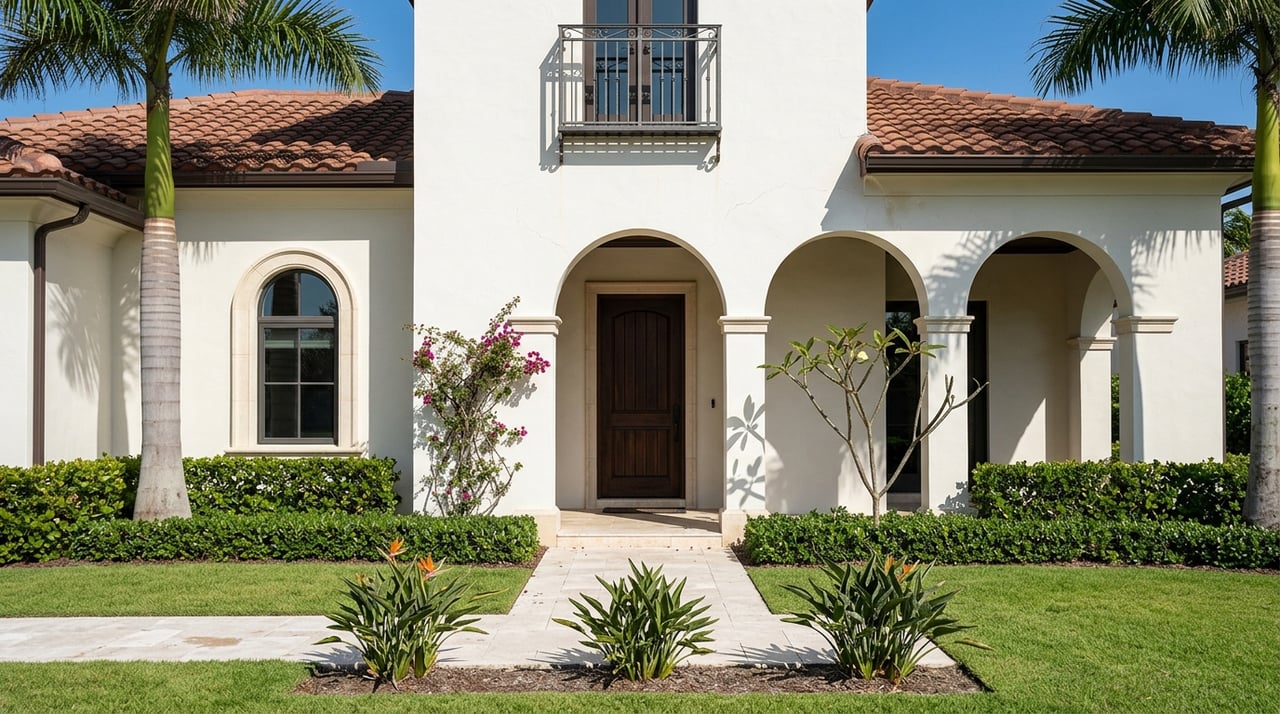
Architecturally, you’ll see older bungalows, mid-century ranches, and Mediterranean or revival-style homes. Renovations and infill happen one lot at a time. Large multifamily projects are uncommon, which helps preserve the village scale.
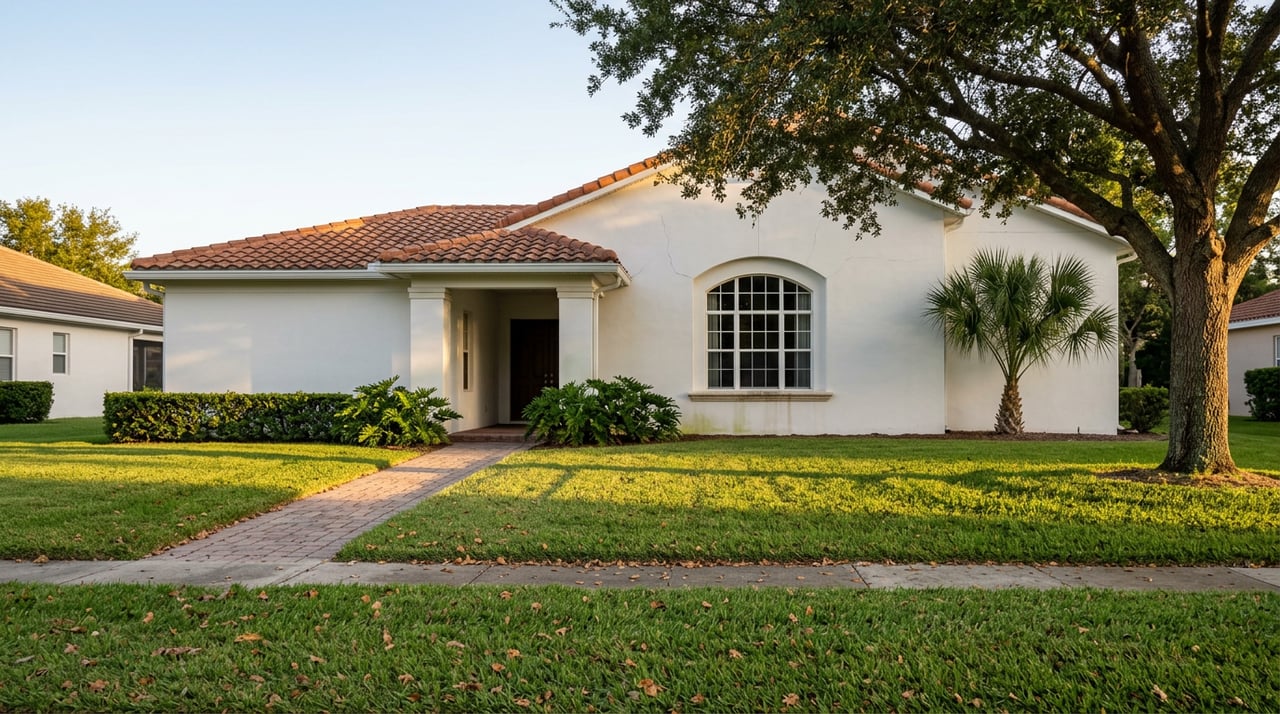
The core housing type here is single-family detached homes. Multifamily and townhome options are limited. Many properties date to the mid-20th century, so you will find a mix of original-condition homes and modernized remodels.
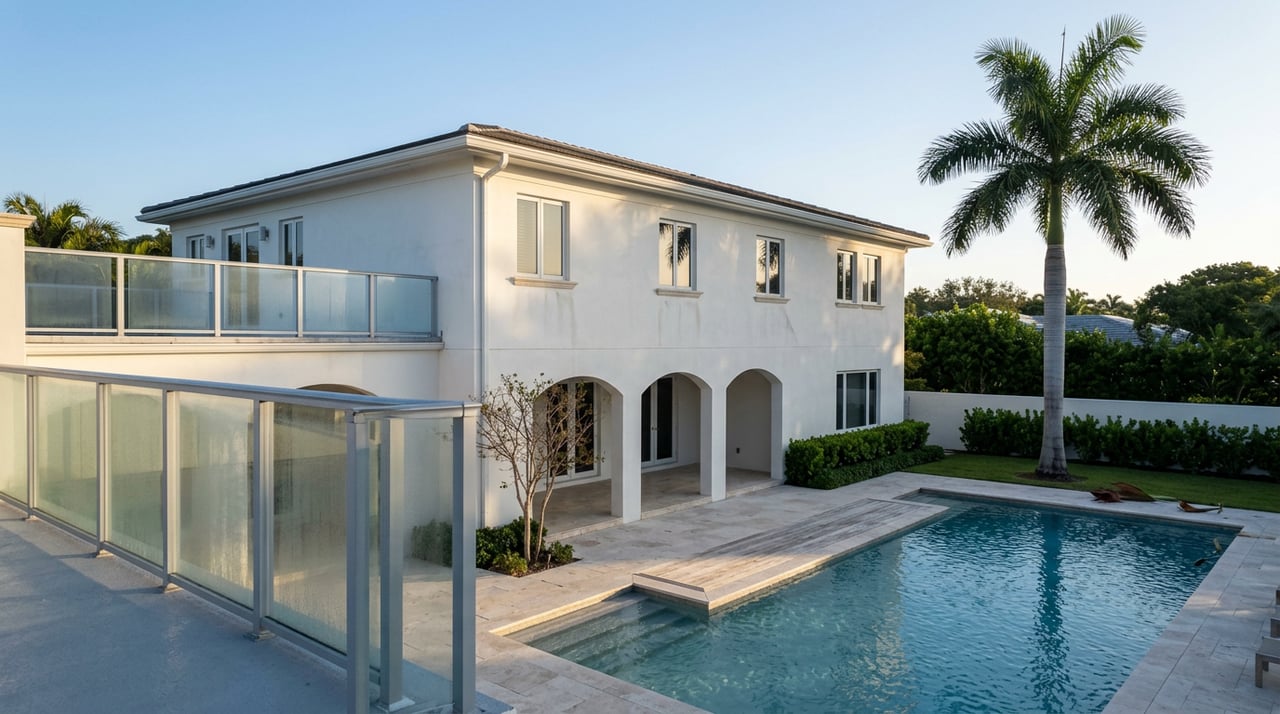
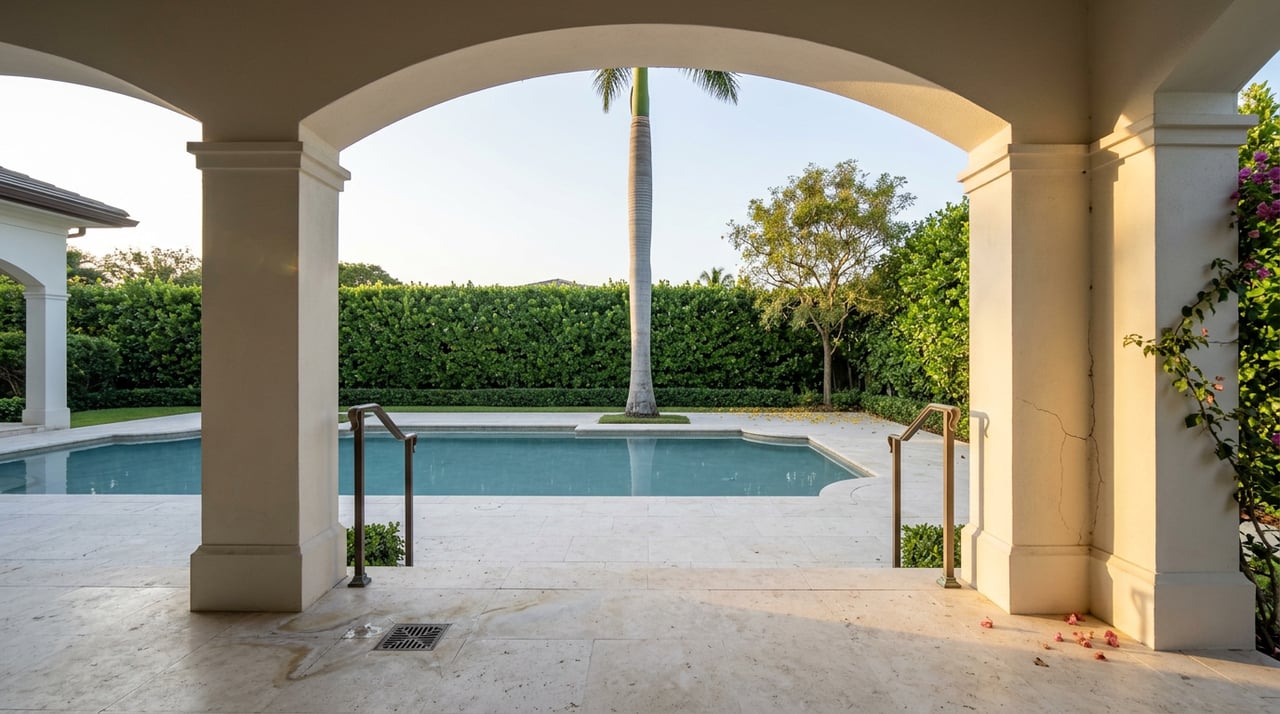
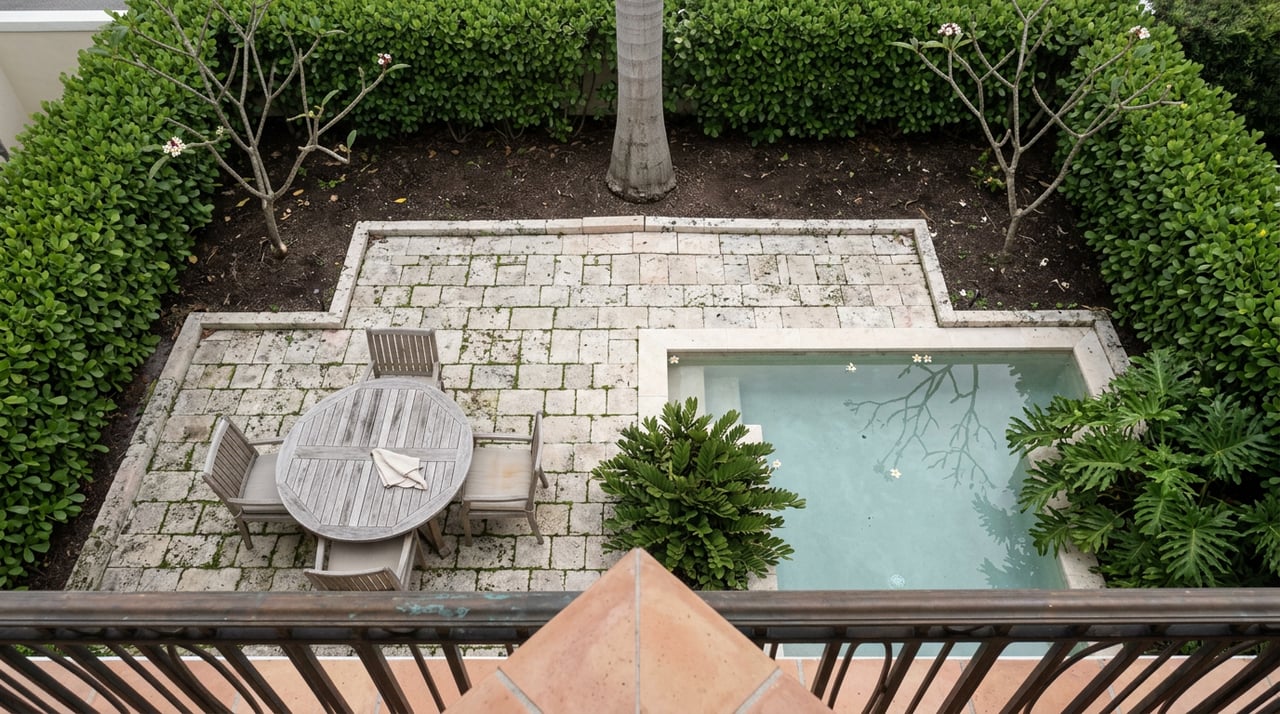
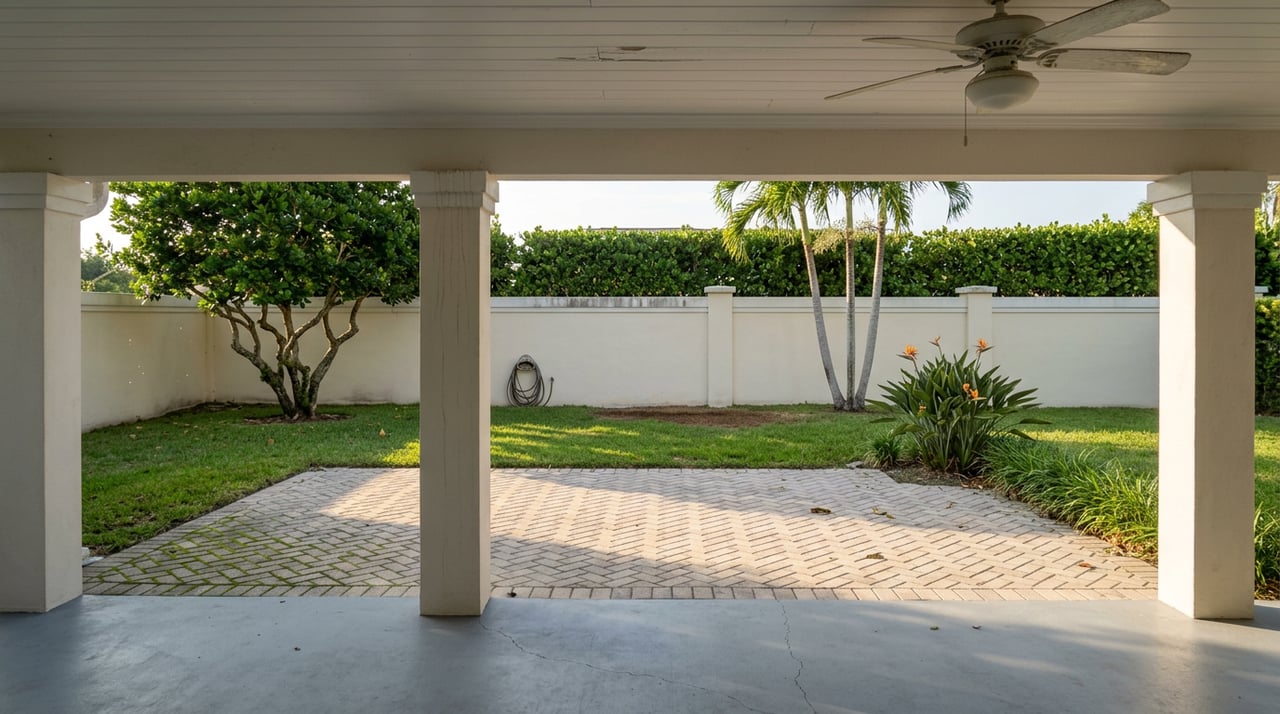
Buyers often look for yard space, and Biscayne Park tends to deliver. Lot sizes vary by block, but many properties can support lawns, patios, and pools. If outdoor living is a priority for you, the village layout can be a strong match.
Expect typical renovation questions with older homes. Plumbing and electrical updates, roof condition, and hurricane-hardening are common focus areas. Impact windows, shutters, roof age, and wind mitigation features can also affect insurance quotes and long-term costs.
Zoning emphasizes the single-family character of the village. Redevelopment usually happens as individual teardowns and rebuilds rather than large, dense projects. If you are planning an addition or a new build, review village codes and permitting steps early in your process.
Conditions can change from street to street. Some homes are fully updated, while others are ready for your vision. Lot lines and dimensions also vary, so verify specifics on county property records or the MLS. The smaller scale of the village means a few listings or recent sales can shape the market snapshot at any given time.
Biscayne Park offers a calm residential rhythm. Sidewalks and local parks support daily walks, dog outings, and casual meetups. Community events and recreation programming add to the village feel.
For routine errands, most residents take a short drive to nearby grocery stores, pharmacies, banks, and medical offices. Specialty retail and major malls are also within a short drive in neighboring areas. The trade-off for quieter streets is fewer restaurants and shops within immediate walking distance.
The village is served by Miami-Dade County Public Schools. Families often review assignments for nearby Miami Shores and North Miami or North Miami Beach as they compare options. Private and parochial schools are available across the broader area. For the most accurate picture, confirm school assignments by property address through the district.
Public safety and services operate at the municipal level or through interlocal agreements. Perception is typical of a small residential community. For current information, review recent police reports or crime mapping tools and ask about any neighborhood programs.
Biscayne Park is primarily car-oriented. Major roads nearby connect you to central Miami, the beaches, and other parts of the county. Drive times depend on rush-hour traffic patterns, so it helps to test your route during your likely commute window.
Public transit options are more limited here compared with core Miami neighborhoods. If you plan to avoid daily driving, check local bus routes and schedules to see if they align with your routine.
Biscayne Park is a niche single-family market within Miami-Dade County. Pricing and activity do not always track county-wide averages. For an accurate picture, review recent sold comparables, current listings, and days on market through the MLS.
Property taxes follow county rules with village-level considerations. Many homes are not in mandatory homeowners’ associations, though individual properties may have private covenants. Always confirm tax history, current assessments, and any HOA documents for the specific address.
Hurricane and flood risk are part of homeownership in South Florida. You should check FEMA flood maps and local elevation or flood zone details for each property. Flood insurance and wind coverage can vary based on elevation, roof age, shutters or impact windows, and mitigation credits. Get insurance quotes early in your offer process, since premiums can materially change your monthly costs.
Biscayne Park is inland compared with the barrier islands, but long-term sea-level rise and drainage are region-wide considerations. County resilience plans and local elevation information can help you think about long-term ownership and infrastructure.
For utilities and infrastructure, verify whether a property is on county sewer, ask about stormwater management, and check for any planned drainage or road projects. Internet providers and service levels can vary by block, so confirm speeds and providers while you tour.
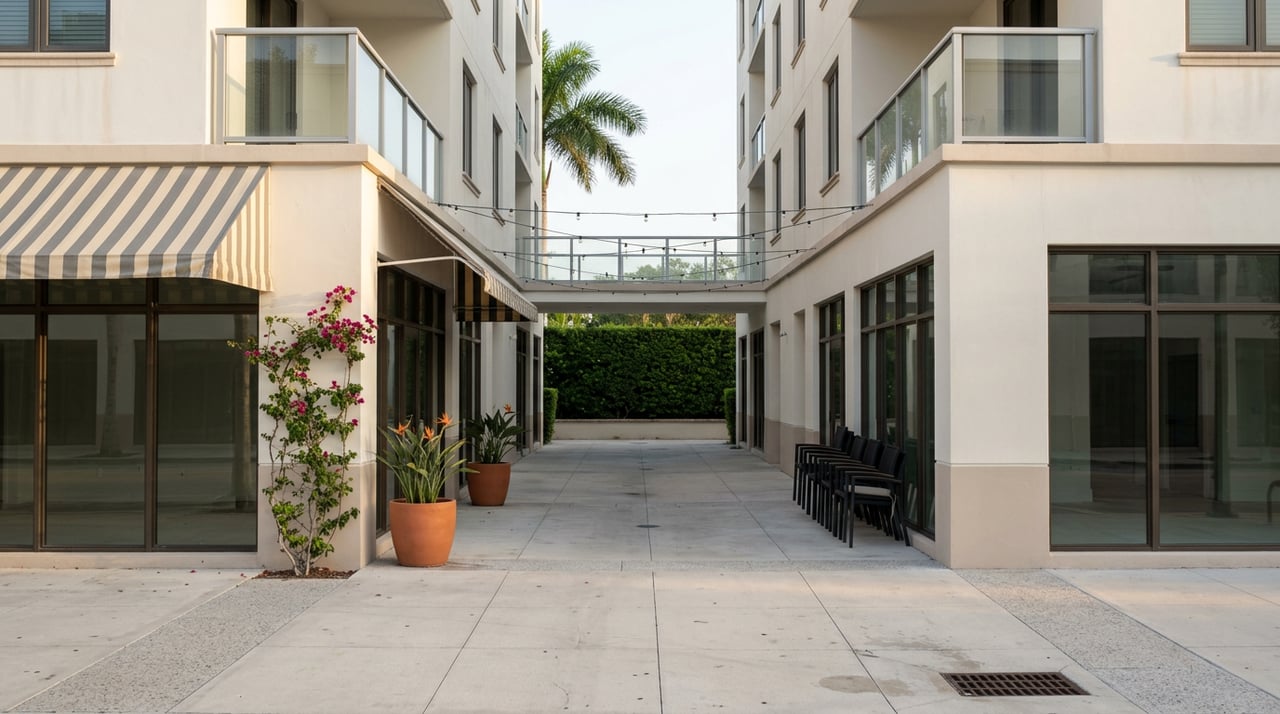
It may not be ideal if you want high-frequency transit at your doorstep, a high-rise condo lifestyle, or immediate proximity to nightlife and the beach. Biscayne Park trades that for privacy, space, and village character.
When you find a promising property, use a clear checklist. The goal is to reduce surprises and put real numbers to your decision.
On a typical day, you might walk under mature trees to a local park, then head out by car for groceries or a coffee in a nearby district. Evenings can be quiet, with neighbors out walking and a slower pace on residential streets. Weekends are for yard time and short drives to beaches, regional parks, or cultural spots around the county.
If you like that rhythm, Biscayne Park delivers a residential retreat inside a major metro. The trade-off is fewer shops and restaurants at your doorstep and a heavier reliance on the car for daily errands. For many buyers, the village feel and space at home are worth it.
Biscayne Park is a small market where each listing is unique. A few new listings or sales can shift the picture quickly. If you want a current, address-level view of the market, I will set up a custom MLS search, line up private and off-market options, and share virtual tours so you can move quickly with confidence.
If Biscayne Park feels like the right fit for your lifestyle, let’s talk through your goals, timing, and budget. I will help you confirm flood zone and insurance estimates, review comps, and navigate village codes so your next steps are clear.
Ready to explore? Schedule a quick consult and I will send a curated list with on and off-market matches.
Stay up to date on the latest real estate trends.


Eric Periu
Primary phone
Address
20803 Biscayne Blvd
Aventura FL 33180