
South Florida Buying Season in Miami: What to Expect
November 21, 2025
November 21, 2025
Thinking about a winter move in Miami? You are not alone. Each year, the market wakes up as seasonal visitors arrive, international buyers return, and local sellers time listings for maximum exposure. If you want to buy or sell between November and April, you will face different timelines, competition, and pricing patterns than you see in summer. In this guide, I will show you what to expect, how to time each step, and how to position yourself to win in Miami’s peak season. Let’s dive in.
Miami’s high season runs roughly from November through April. The busiest stretch often lands from late December or January through March or April. That is when you see more listings, more showings, and faster offer activity. Exact intensity varies year to year based on mortgage rates and broader economic trends, but the winter cadence is consistent.
As fall approaches, many sellers prepare to list so their homes are active for winter buyers. Active listings typically rise in late fall and early winter, then tighten mid-season as sales pick up. Even with more listings, buyer demand is strong, so available inventory can feel tighter by late January and February.
Prices often find a seasonal high in late winter or early spring because demand is strongest. Annual price direction still depends on bigger factors like interest rates. Days on market usually shorten in peak season, especially for well-priced, move-in-ready homes in sought-after neighborhoods.
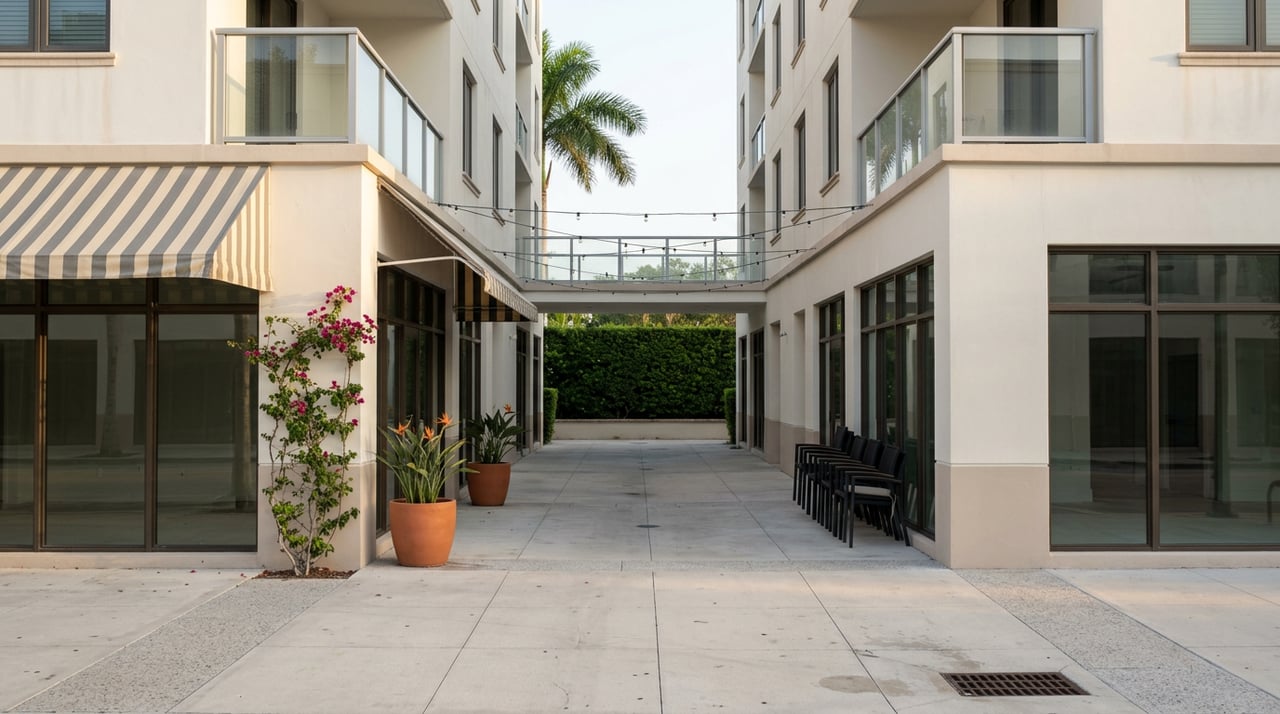
Condos see heavy winter activity, especially in areas that appeal to international buyers and investors. Expect more showings, a higher share of cash offers, and close attention to building rules and finances. Financing can be more sensitive to association policies, so plan ahead for document requests and lender reviews.
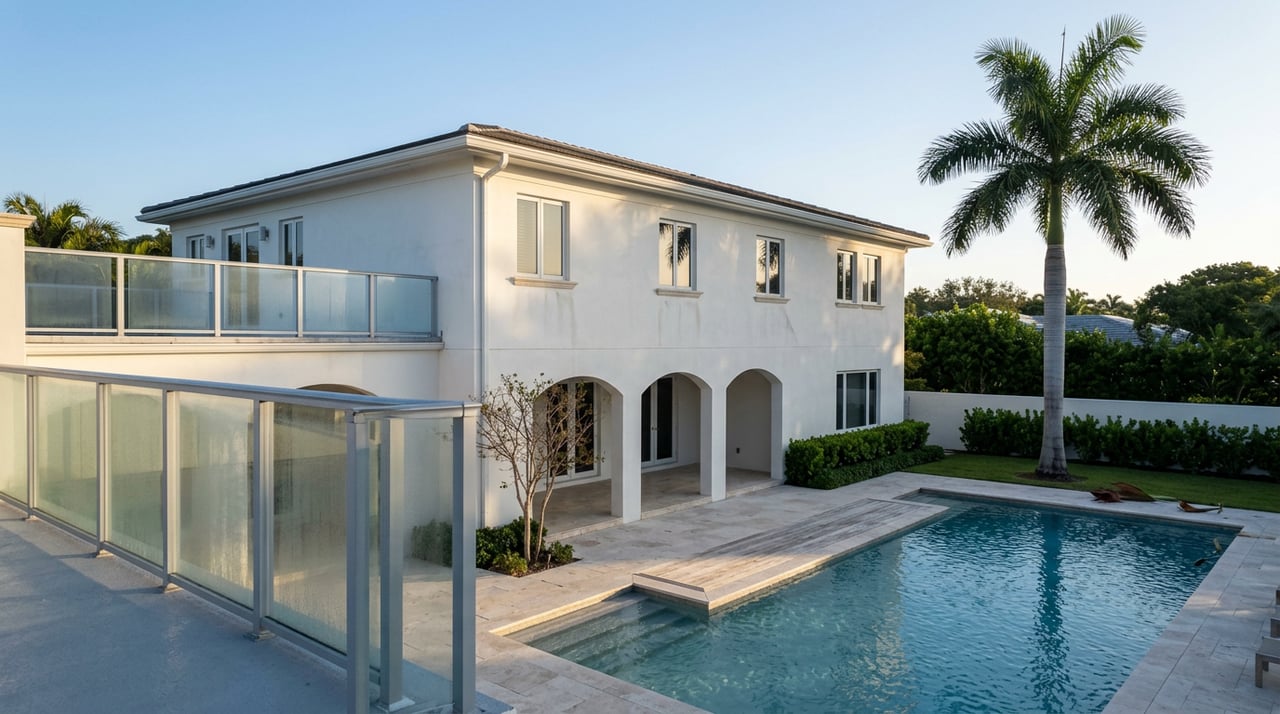
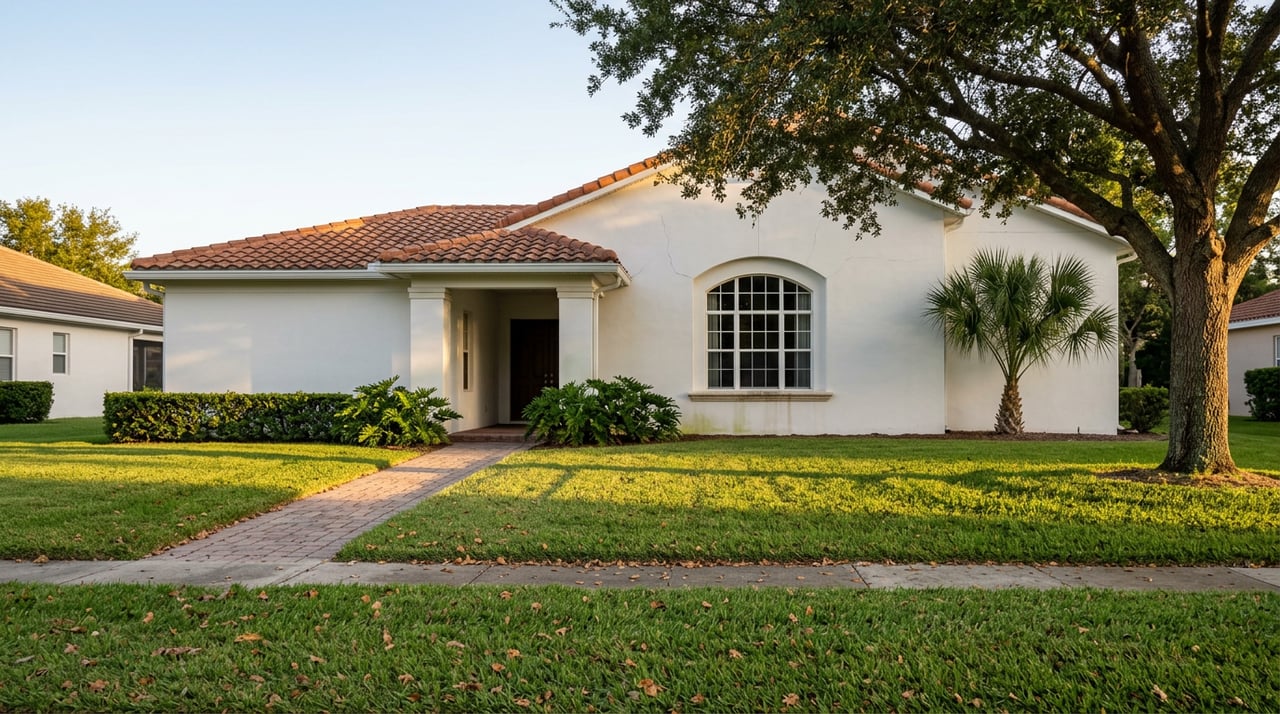
Single-family homes also draw strong seasonal demand, particularly in coastal and established neighborhoods. Listings that are priced to market and show well can move quickly. Activity among relocating buyers often concentrates in late winter and early spring, which can tighten competition in select micro-markets.
Many sellers aim to go live in late October to November and again in January to capture peak traffic. Within each week, agents often time listings for mid to late week so they are fresh for weekend showings. If you want first looks at the most attractive options, have your alerts set and be ready to tour quickly.
During peak months, the most desirable homes can receive multiple offers within days. Clean, strong offers tend to win, especially on properties with turnkey condition and accurate pricing. Cash buyers are common in Miami, particularly in condo and luxury tiers. That can change negotiation dynamics and shorten closing timelines, so you will want a sharp plan whether you are financing or paying cash.
Condominium purchases in Miami-Dade often require more document collection and review. Associations provide estoppel and resale packages that outline fees, policies, and budgets. Turnaround times vary by building and can range from several business days to a few weeks. Order documents early, review rental rules and reserves, and make sure your lender has what they need well before your financing deadlines.
Plan for flood insurance review and confirm whether a property sits in a FEMA flood zone. Obtain any elevation certificates and clarify wind mitigation features and hurricane protections. These items can affect financing, insurance costs, and closing timelines. Getting ahead of them helps you avoid delays and surprises.
If you want to capture the highest winter foot traffic, listing or shopping between January and March can be a smart move. That window typically brings faster showings and shorter days on market for well-positioned properties. If mortgage rates are high or inventory is unusually tight, you might see steadier conditions instead of big price jumps. The right timing comes down to your goals, financing plan, and the micro-market for your property type and neighborhood.
If you are planning a Miami move this season, I will help you prepare the right plan, line up financing or cash terms, and act quickly when the perfect opportunity appears. For sellers, I deliver polished presentation, proactive document prep, and strategic timing to maximize your exposure when buyer activity peaks. When you want a boutique, detail-focused approach with the reach of a full brokerage platform, let’s talk.
Ready to map your timeline and next steps? Schedule a free consultation with Eric Edward Exhibits.
Stay up to date on the latest real estate trends.




Eric Periu
Primary phone
Address
20803 Biscayne Blvd
Aventura FL 33180