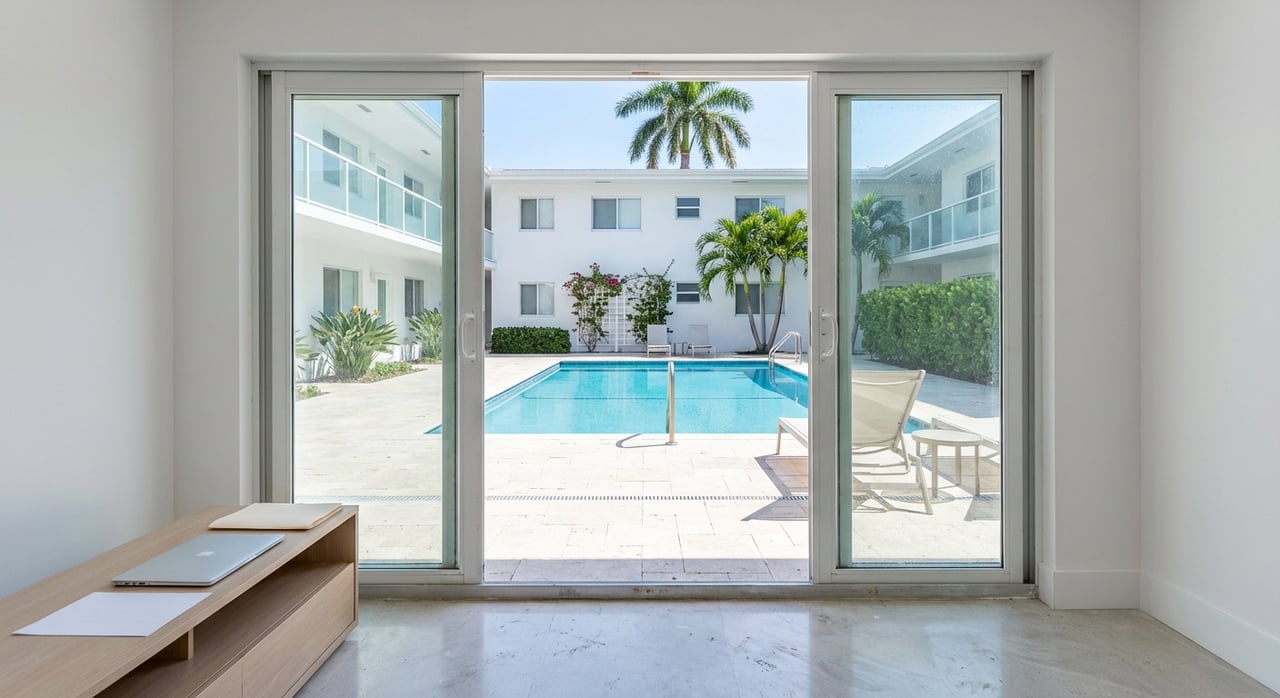
North Miami Multifamily Investment Guide for 2–30 Units
February 19, 2026
February 19, 2026
Are you comparing small apartment deals across Miami-Dade and wondering if North Miami is worth a closer look? You want solid rent demand, clear underwriting steps, and a plan for older buildings. In this guide, you’ll see current rents and vacancy, what you can buy, financing paths, and a practical workflow you can use on your next 2–30 unit acquisition. Let’s dive in.
North Miami is a renter-heavy, built-out submarket inside the Miami–Miami Beach–Kendall MSA. Recent Census QuickFacts show a majority renter share, with owner-occupied housing around 43 to 44 percent and renters near 56 percent. That renter density supports consistent demand for well-located small multifamily.
Location and infill character shape the opportunity. You’ll find older garden-style and walk-up buildings close to everyday retail and major routes, with limited raw land for new small-scale development. That mix often favors value-add plays, steady workforce demand, and hands-on operators who can execute upgrades.
U.S. Census QuickFacts confirms the city’s basic profile.
Rents land in a wide but elevated band versus the national average. Recent vendor snapshots show an average apartment rent around 2,381 according to RentCafe’s North Miami report, while other sources like Zillow and Apartments.com peg averages closer to roughly 2,000 and 1,749. Expect variation by unit size, renovation level, and block-to-block demand.
Vacancy has risen from pandemic-era lows across the metro as new supply, mainly luxury Class A, delivered in 2024–2025. CoStar reported higher-end deliveries pushing up metro vacancy, with mid-to-high single-digit readings in mid-2025. Lease-ups may be slower at the top end, while older, more affordable B and C assets often stay tighter.
Key takeaway: triangulate rents for each deal. Use vendor indices as a quick anchor, then confirm with MLS comps, active listings, and the building’s rent roll before you underwrite.
North Miami’s small-investor universe is rich in 2–4 unit properties and 5–30 unit walk-up or garden-style buildings. You’ll also see mid-century low-rise apartment blocks with surface parking and simple mechanical systems. Public listings frequently show pro forma cap rates in the mid-single digits for many 4–20 unit offerings, with returns driven by renovation scope and accurate expense budgeting.
Age and layout matter. Classic 1950s–1970s buildings tend to have efficient unit mixes but require more frequent capex cycles. Smaller properties can be easier to reposition quickly, while 20–30 unit assets offer scale for management and material savings if you plan unit upgrades.
For a sense of vintage and building stock, review neighborhood-level profiles noting mid-century construction eras.
Many properties date to the 1950s–1970s, so plan for roofs, electrical, plumbing, and HVAC updates. Check year-built, permit history, and closed permits for major components. A thorough inspection plus contractor bids will keep your reserve assumptions honest.
Miami-Dade uses a milestone or “40-year” style recertification framework that triggers structural and electrical inspections, then repairs as needed. These can be significant line items on older assets. Treat any recertification notice or pending milestone requirement as a material diligence item and price the work into your model. Learn the basics from this overview of milestone vs. 40-year recertification requirements.
Flood elevation and zone drive insurability and premiums in coastal South Florida. Confirm each parcel’s status using the FEMA Flood Map Service Center, pull early quotes from your insurance broker, and test higher deductible scenarios. Underwriting that ignores elevation, prior losses, or construction type can miss large, deal-breaking costs.
Use this practical workflow for a clean, lender-ready package.
The Freddie Mac Small Balance Loan program fits many 5+ unit properties, with loan sizes often 1 to 7.5 million, fixed or hybrid terms, and market-dependent DSCR and reserve requirements. It is a key takeout option once a property is stabilized. Get program basics here: Freddie Mac Small Balance overview.
Fannie Mae’s small-loan executions serve similar deal sizes through approved lenders. Your broker can pre-screen eligibility, timing, and third-party report needs.
Private bridge lenders support fast closes and rehab plans with 12 to 36 month terms at higher rates, then you refinance into agency or bank paper after stabilization. Local and regional banks remain active for smaller loans, though documentation and recourse terms vary.
Before you submit an LOI, confirm:
Common deal-killers:
If you want clean numbers, early access, and smooth execution, I can help you source on- and off-market opportunities, pull accurate MLS and rent comps, coordinate inspections, and introduce the right lenders. My practice is built for small-portfolio investors who value speed, presentation, and disciplined underwriting. Let’s align your return targets with the right North Miami assets and a financing path that closes.
Ready to evaluate a specific property or build a short list? Schedule a free consultation with Eric Edward Exhibits.
Stay up to date on the latest real estate trends.



Eric Periu
Primary phone
Address
20803 Biscayne Blvd
Aventura FL 33180