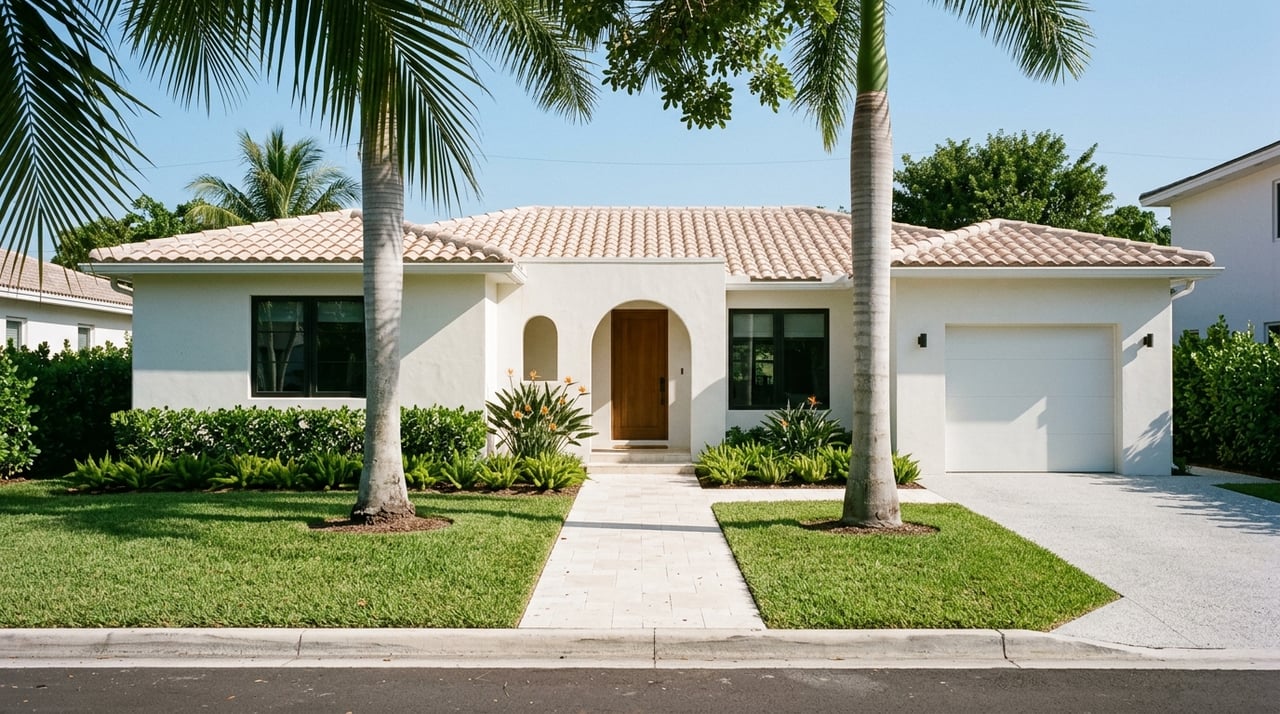
Is Biscayne Park Right for Move-Up Buyers?
June 4, 2026
June 4, 2026
If you are feeling squeezed by condo living or a smaller home, Biscayne Park may be the kind of next step worth a closer look. For many move-up buyers in Miami-Dade, the goal is simple: more space, a yard, better separation between living areas, and a true detached-home setting without leaving the metro area. This guide will help you understand what Biscayne Park offers, what the market looks like right now, and how to decide if it fits your next move. Let’s dive in.
Biscayne Park is a small residential village in Miami-Dade with just over 3,100 residents, depending on the source. The village describes itself as a residential enclave with tree canopies, landscaped medians, and a bird-sanctuary setting, which helps explain why it feels different from denser parts of the county.
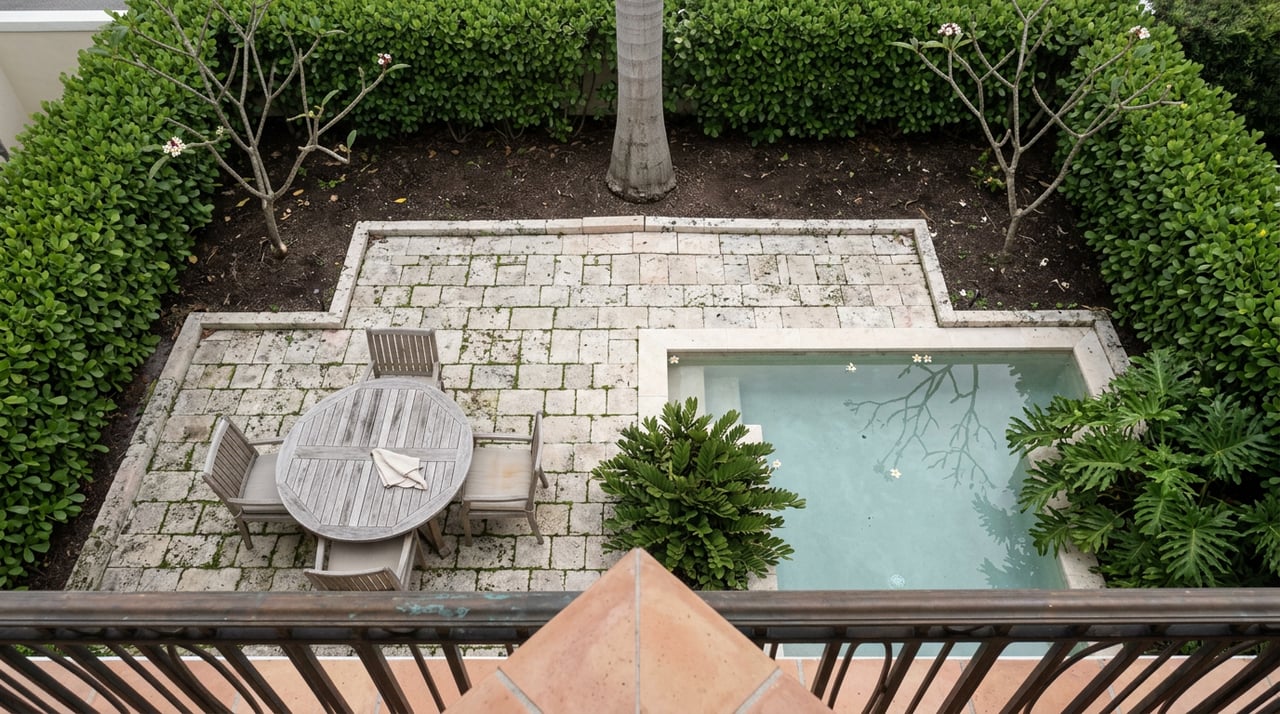
For move-up buyers, that setting matters. If you want more privacy, more outdoor space, and a lower-density environment, Biscayne Park offers a very different experience than a condo-heavy market.
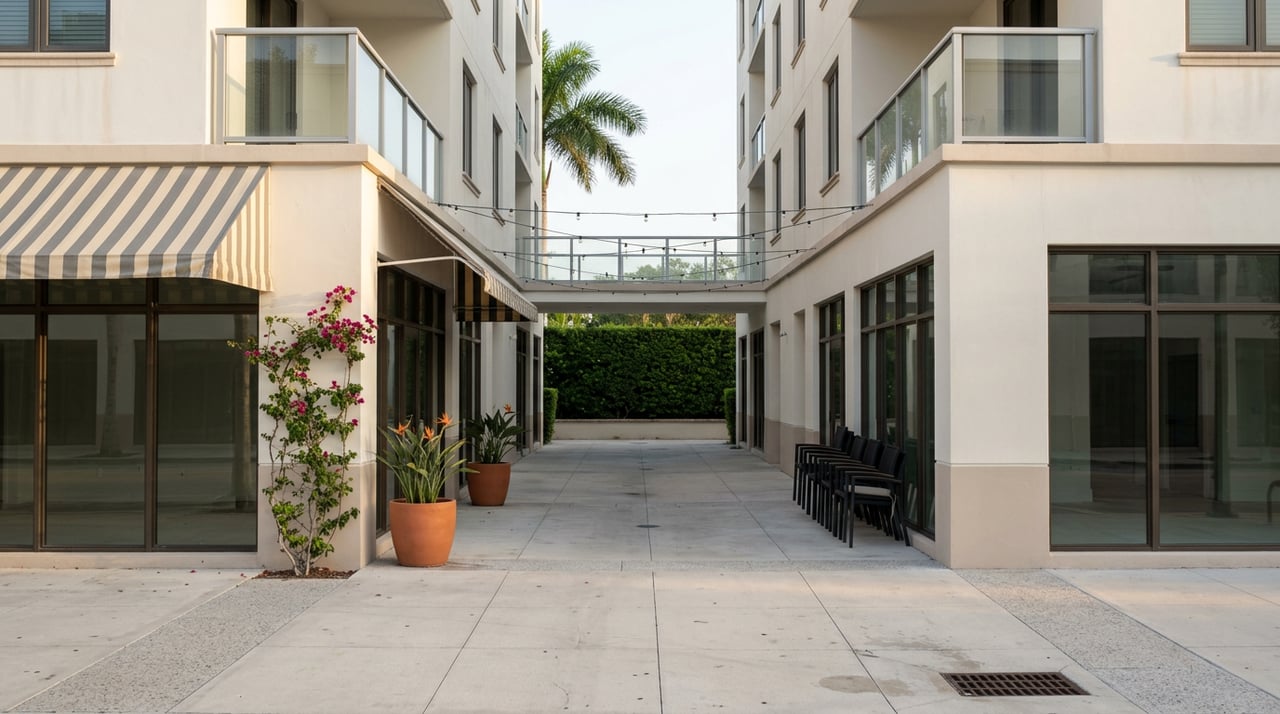
Another important point is the housing mix. Miami-Dade County’s 2025 assessment roll shows single-family parcels and zero condominium parcels in Biscayne Park, which supports viewing it as a detached-home market.
Most move-up buyers are not just shopping for a bigger house. You are often looking for a different day-to-day experience, with more room to spread out, entertain, work from home, or spend time outdoors.
In Biscayne Park, that often means looking for features like:
That combination makes the village a logical option if your current property no longer fits how you live.
One of the clearest reasons Biscayne Park appeals to move-up buyers is that the housing stock is centered on detached one-family homes. The village zoning code generally calls for detached one-family use, a maximum of two stories, 50% maximum lot coverage, and defined front, side, and rear setbacks.
The code also generally points to minimum lots of 8,500 square feet and minimum lot widths of 75 feet in most residential sectors. There are exceptions for existing lots of record and some sectors, which helps explain why listings do not all look exactly the same.
For you as a buyer, the takeaway is practical. Biscayne Park is not mainly a place for condo amenities or high-rise living. It is a village where detached homes and usable lot space are a central part of the appeal.
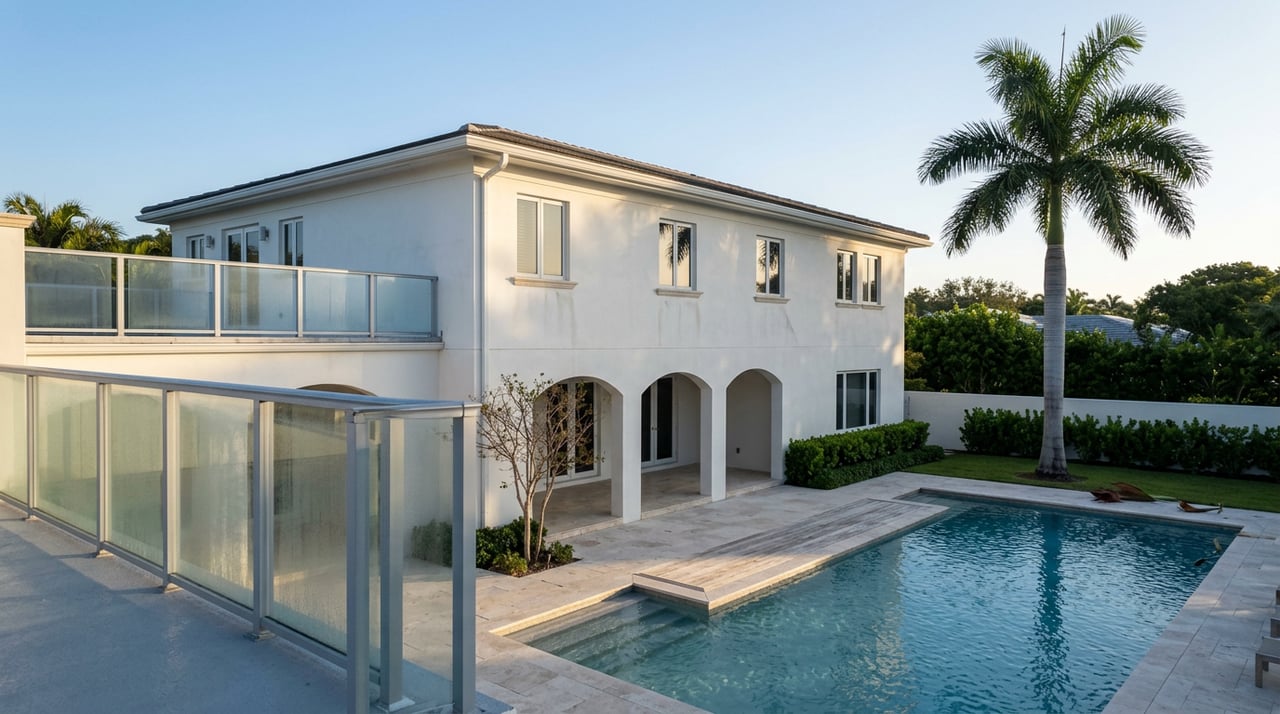
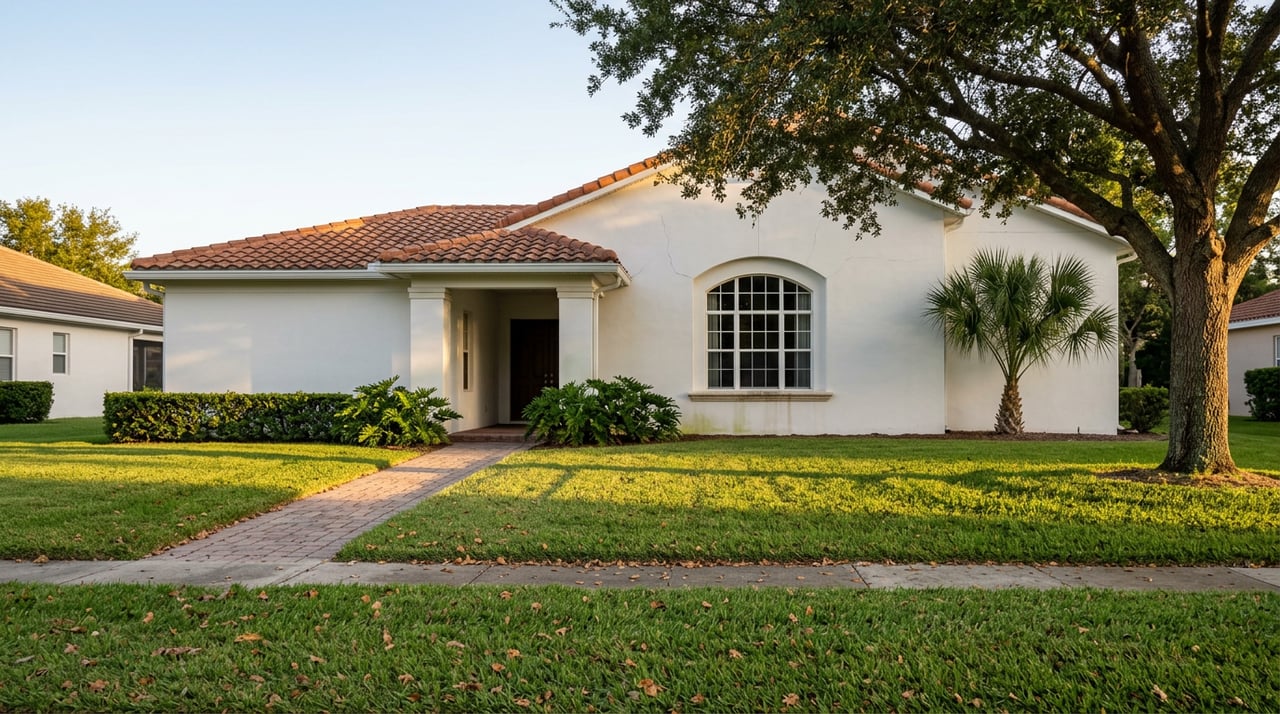
The public listing mix shows a wider range than some buyers expect. You can still find smaller classic homes, but you also see renovated midcentury properties and newer construction that feel much more aligned with move-up expectations.
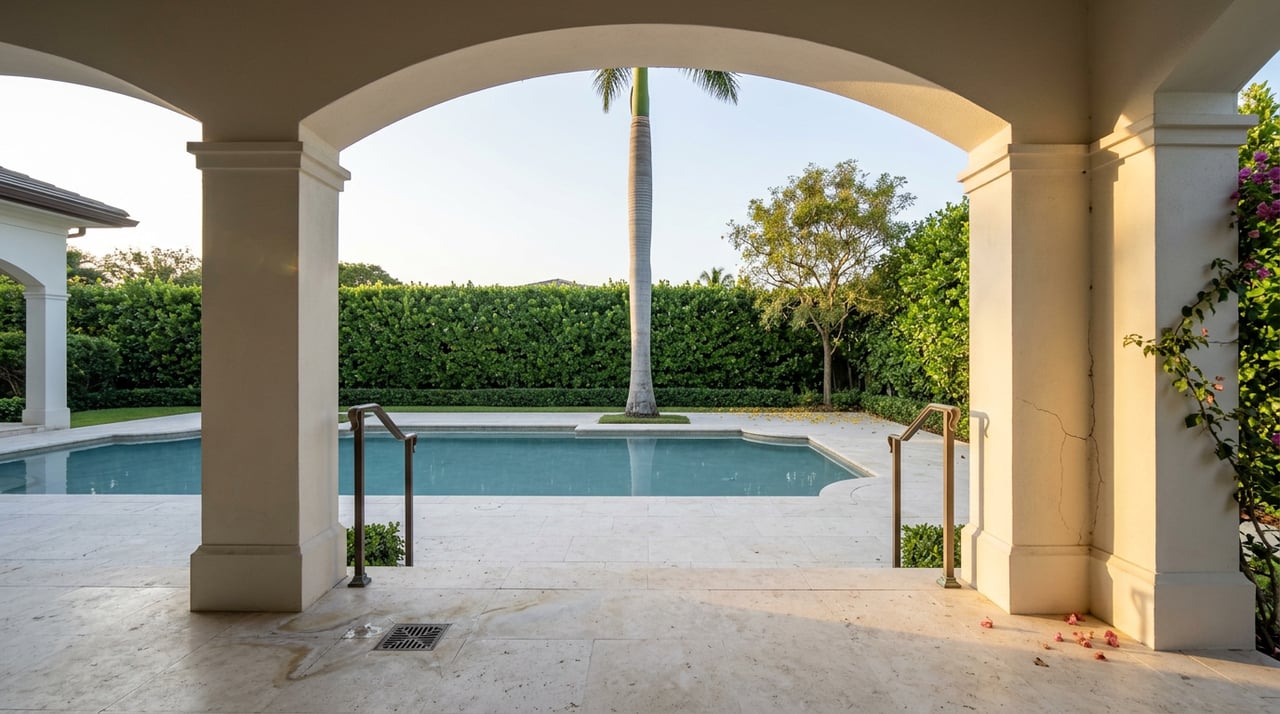
Examples in public listings include a 2-bedroom, 2-bath home with 1,128 square feet on a 7,500-square-foot lot, a 3-bedroom, 2-bath home with 1,719 square feet on an 8,624-square-foot lot, a renovated 4-bedroom, 4-bath pool home with 2,856 square feet on an 11,585-square-foot lot, and newer homes reaching roughly 2,887 to 4,500 square feet on lots around 0.26 to 0.27 acres.
That range matters because it gives you more than one way to move up. You may choose a smaller renovated home with character and a yard, or you may target a newer, more finished property with larger square footage and modern design.
Across public listings, several features appear again and again. That consistency can help you narrow your search based on the kind of upgrade you want most.
Common features include:
If those are on your wish list, Biscayne Park gives you a realistic chance of finding them in a detached-home setting.
Lot size is one of the biggest reasons buyers consider Biscayne Park. The zoning code generally calls for 8,500-square-foot minimum lots in most residential sectors, though actual properties can vary depending on the lot’s history and location.
Public listings show homes on lots around 7,500 square feet, 8,624 square feet, and 11,585 square feet, with some newer homes on roughly 0.26 to 0.27 acres. In real terms, that can mean more breathing room, more backyard potential, and a layout that feels harder to find in more compressed neighborhoods.
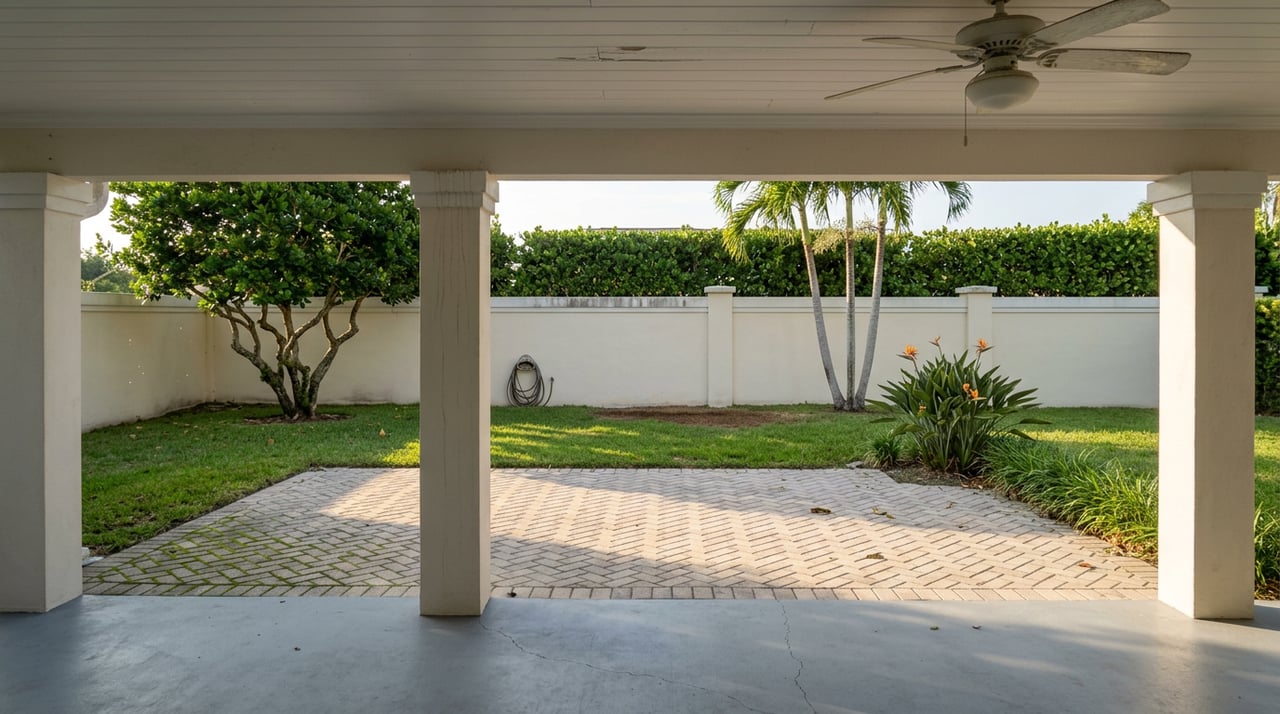
For a move-up buyer, that extra land can be as important as the house itself. It gives you flexibility for outdoor living, recreation, parking, storage, or simply a less crowded feel.
Biscayne Park is not a one-number market. Different sources track different time periods and methods, so exact figures vary.
Still, the overall picture is consistent. Current public data suggests Biscayne Park is roughly a $1.0 million to $1.4 million detached-home market, depending on the property and the data source.
Zillow reported a home value of $948,953 as of April 30, 2026, up 2.1% year over year, with 20 homes for sale and a median list price of $1,346,667. Redfin’s rolling three-month data through April 2026 showed a median sale price of $1,249,355, up 21.3% year over year, with 81 median days on market and a 95.1% sale-to-list ratio.
Realtor.com’s March 2026 snapshot showed a median listing price of $1.38 million, 35 homes for sale, 67 median days on market, a 96% sale-to-list ratio, and homes selling about 3.7% below asking on average. Miami REALTORS’ Q4 2025 MLS report showed 12 closed sales, a $1,078,000 median sale price, 23 active listings, 9.5 months of supply, 113 median days to contract, and 91.8% of original list price received.
Yes, but not in the same way as the fastest-moving pockets of Miami-Dade. The available data suggests a more measured market, with median days on market generally in the high 60s to low 80s across public snapshots.
That usually means you may have more room to negotiate than you would in an extremely tight submarket. Sale-to-list ratios around 95% to 96% also suggest buyers are not always paying full ask.
That said, not every property should be treated the same way. Renovated homes, well-located homes, and newer construction can still command strong attention because the village is small and the inventory is limited.
Biscayne Park can make a lot of sense if your next step is about changing both your home and your lifestyle. It is especially worth considering if you want a detached house, more lot space, and a more residential feel while remaining connected to greater Miami.
You may find the village a strong fit if you are moving up from:
This is also a market that can work well if you are comfortable being selective. Inventory is not huge, so patience and a clear buying strategy matter.
Not every move-up buyer wants the same thing. Biscayne Park may be less ideal if you are hoping for condo-style amenities, a large volume of entry-level detached inventory, or a very fast market with many fresh options each week.
The current data points to a smaller single-family market with slower turnover. That can be a benefit if you want negotiation room, but it can also mean fewer choices at any given moment.
A smart move-up plan in Biscayne Park starts with clarity. Before you tour homes, decide which upgrade matters most so you can focus on the right properties.
Ask yourself:
From there, compare each listing against how you actually live today. The right move-up home should solve real limitations in your current property, not just look bigger on paper.
In a village as small as Biscayne Park, the details matter. The mix of older homes, renovated properties, and new builds means pricing can vary widely based on condition, lot size, layout, and finish level.
That is where strong local guidance becomes valuable. I help buyers sort through the differences between homes, track the market realistically, and identify the opportunities that match both lifestyle goals and budget. If a private or off-market opportunity fits your search, I can help you evaluate that too.
If you are thinking about moving up in Biscayne Park, the best first step is to define your target clearly and review what is actually available. When you know what matters most, it becomes much easier to separate a good house from the right next home.
If you want a clear, data-driven plan for your move-up search in Biscayne Park, schedule a free consultation with Eric Edward Exhibits.
Stay up to date on the latest real estate trends.


Eric Periu
Primary phone
Address
20803 Biscayne Blvd
Aventura FL 33180