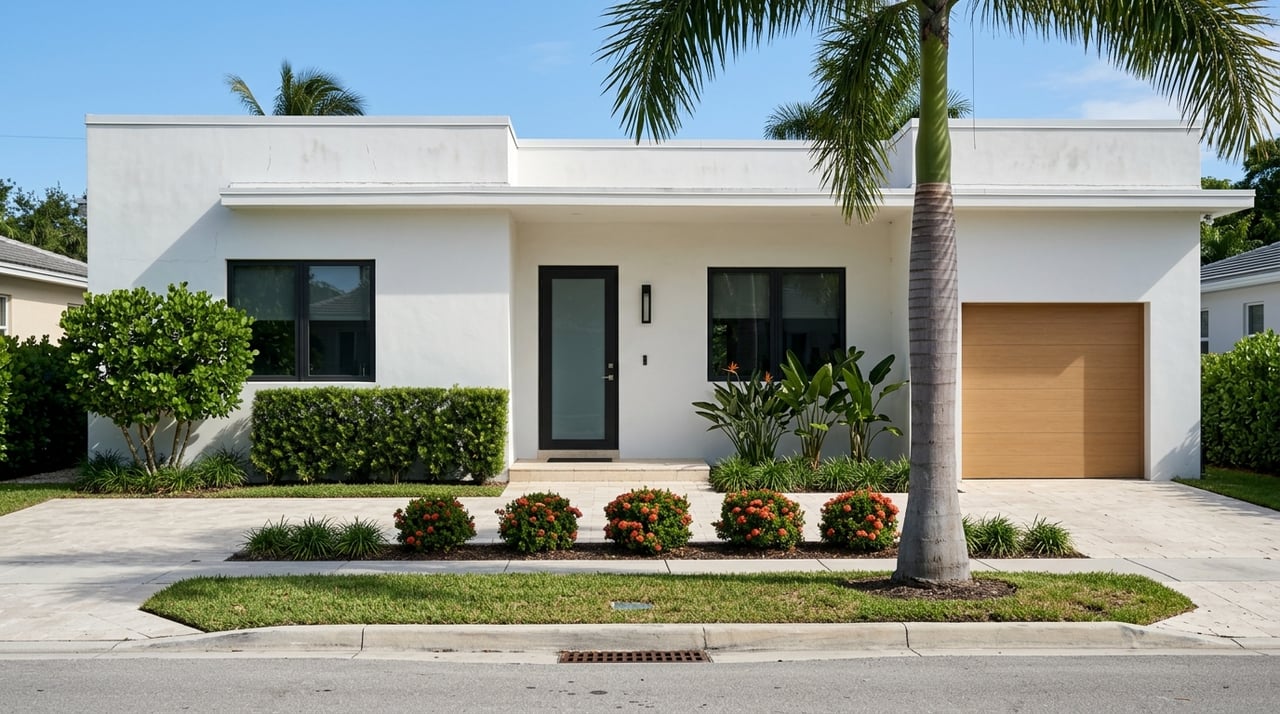
North Miami vs Miami Shores Homes for Single-Family Buyers
June 11, 2026
June 11, 2026
Choosing between North Miami and Miami Shores for a single-family home is really a choice between budget and convenience on one hand, and space and a more consistently single-family setting on the other. If you are trying to balance price, lot size, neighborhood feel, and day-to-day livability, the difference matters. This guide breaks down what the latest local market and city data suggest so you can compare both areas with more confidence. Let’s dive in.
For most buyers, the biggest gap starts with price. Realtor.com shows North Miami with a median listing price of $369,700, while Miami Shores shows a median listing price of $1,792,500. Recent sale-price readings also point to a major spread, with North Miami around $365,000 and Miami Shores ranging from about $1.1 million to $1,305,000 for single-family homes depending on the source and reporting period.
That price gap shapes almost everything else. North Miami tends to offer a more accessible entry point for buyers who want to stay close to Miami. Miami Shores sits in a much higher tier and typically attracts buyers who are willing to pay more for larger lots and a more established single-family environment.
If your first concern is affordability, North Miami clearly comes in lower. The city’s broader housing data also supports that idea, with a reported median home value of $232,600 and median household income of $43,562. For many buyers, that points to a market where the entry price is simply easier to approach.
Miami Shores is a different financial conversation. The village reports a median home value of $789,000 and median household income of $137,873, which lines up with its higher price floor. If you are shopping here, you are usually paying for land, housing character, and a more uniformly residential pattern.
North Miami is not a purely detached-home market. According to the city, its housing stock is 36% one-unit detached, 4% one-unit attached, and 59% multifamily. That means even when you buy a single-family house, the surrounding streetscape may feel more mixed than in a traditional single-family enclave.
Miami Shores offers a much more consistently single-family setting. The village reports 86.7% owner occupancy and describes its land use as predominantly single-family. For buyers who want a neighborhood pattern centered mainly on detached homes, that difference is a major factor.
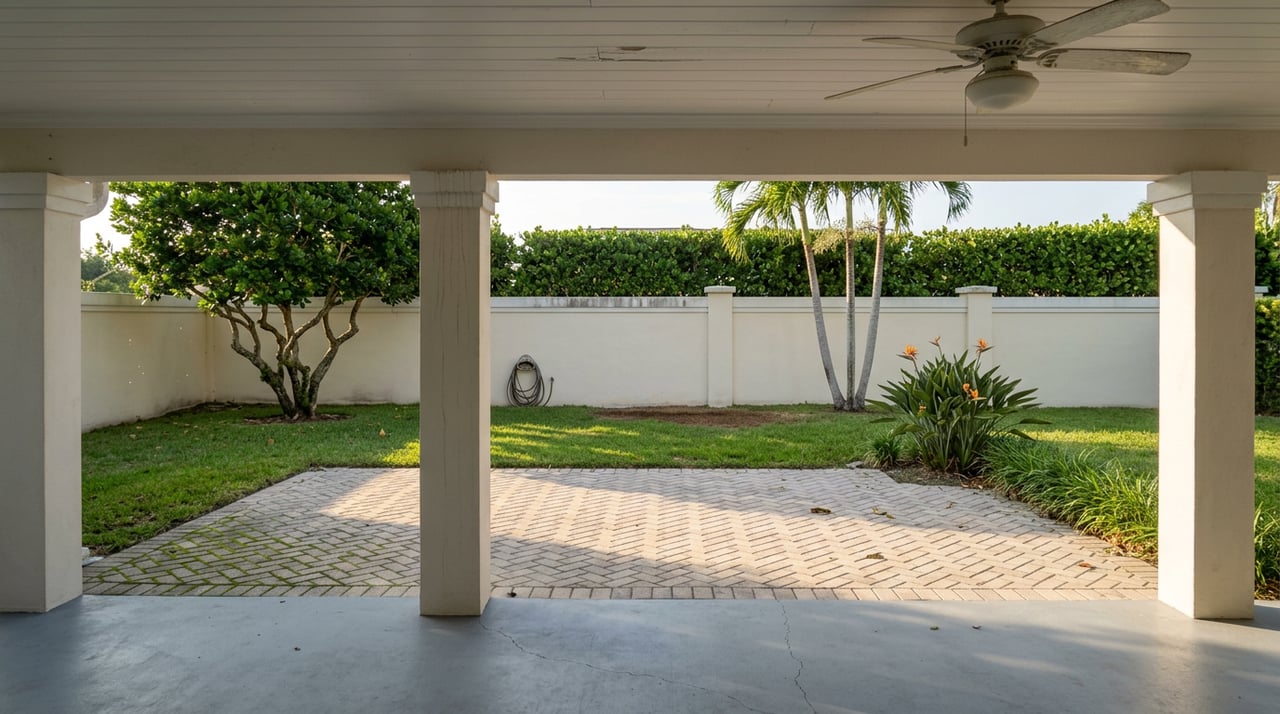
Lot size is one of the clearest practical differences between these two markets. In North Miami, the zoning table lists R-1 lots at 9,200 square feet with an 80-by-115-foot dimension, while R-2 lots are 6,000 square feet with a 60-by-100-foot dimension. In simple terms, many homes here sit on smaller lots than what you will usually find in Miami Shores.
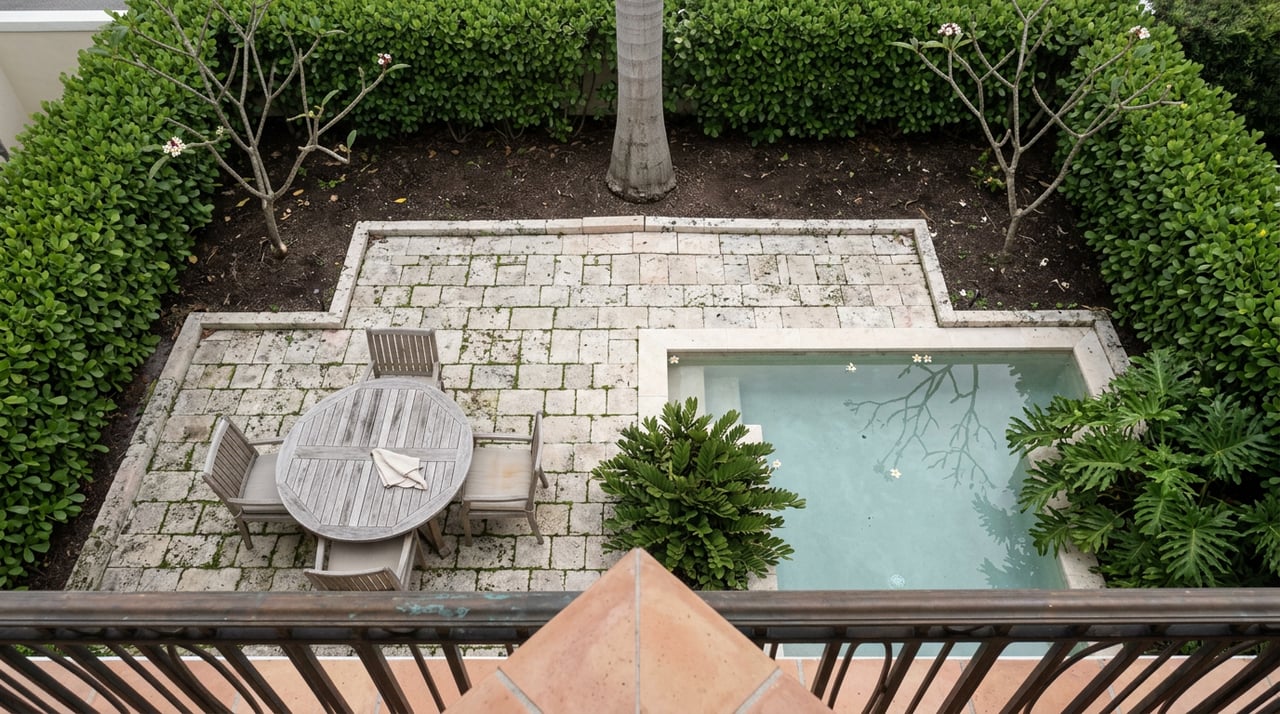
Miami Shores regulations require newly created residential lots to be at least 12,500 square feet with 85 feet of street frontage. The village’s 2025 draft residential code materials also describe average lot sizes ranging from 15,447 to 21,162 square feet in the relevant single-family districts. If you want more yard space and more separation between homes, Miami Shores generally has the advantage.
Both areas have mature housing stock, but they present differently. North Miami’s data shows that 86.7% of occupied units are at least 60 years old. That suggests many buyers will be looking at older homes where updates, repairs, or renovation planning could be part of the process.
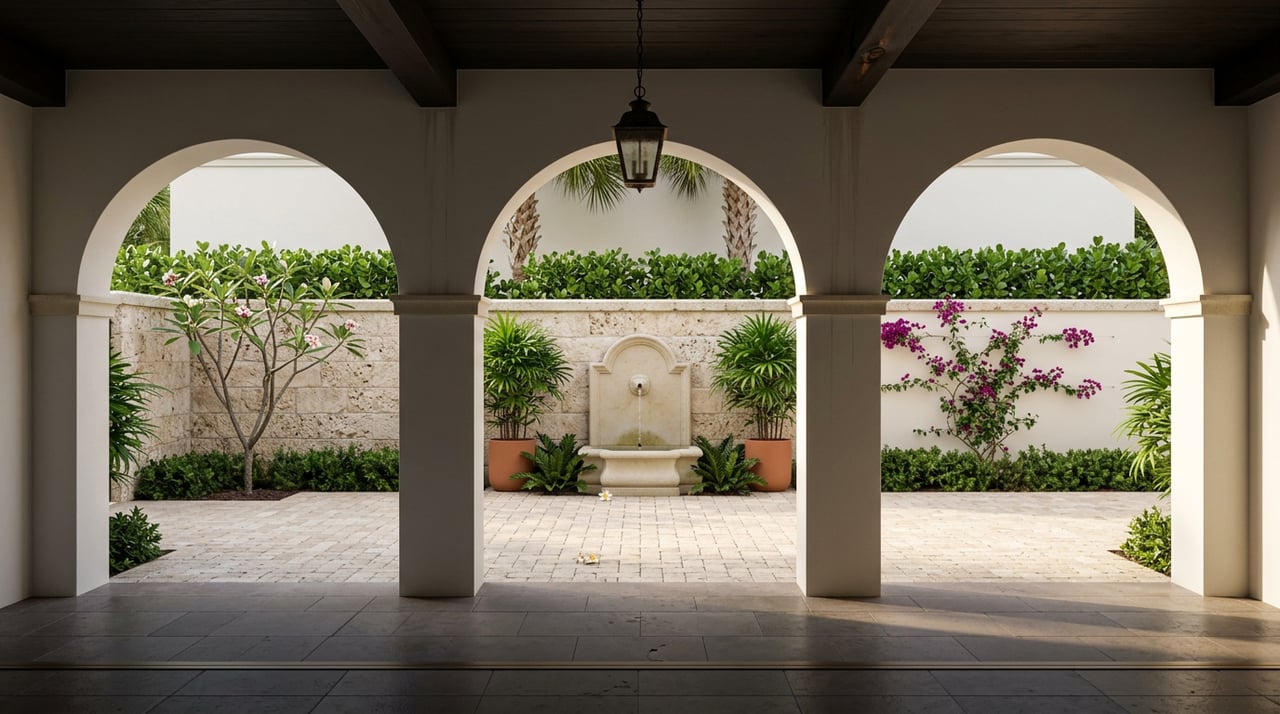
Miami Shores is also known for long-established homes, but the village highlights architectural variety as a defining feature. Official village materials reference MiMo, Mediterranean Revival, Art Deco, contemporary homes, and Mid-Century residences. If you are drawn to distinctive architecture and larger character homes, Miami Shores usually offers more of that identity.
Neither market appears especially fast by local standards right now. Realtor.com labels North Miami a buyer’s market, with a median of 97 days on market and a 96% sale-to-list ratio. That can give you room to negotiate, especially if a property needs work or has been sitting.
Miami Shores shows a similar pace, with a median time on market of 101 days and a sale-to-list ratio near 97%. Even at a much higher price point, buyers may still find some negotiating room. The key difference is that your dollar goes much further in North Miami, while Miami Shores asks you to stretch more for the setting and lot size.
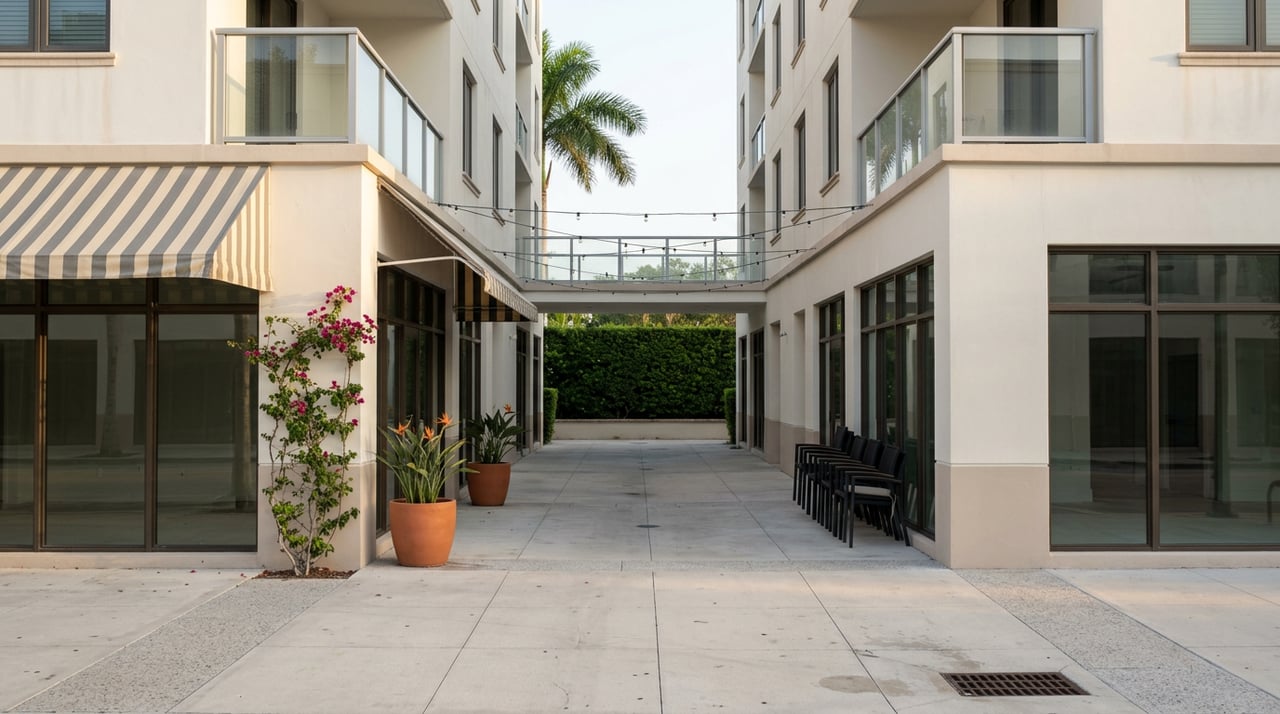
North Miami tends to feel more urban in daily life. The city says it maintains more than 32 parks and facilities, operates a public library with regular hours and a 24-hour kiosk, and runs the free NoMi Express trolley. It also notes that both I-95 and US 1 run through the city, which supports easy regional access.
The city also highlights local amenities such as Oleta River State Park and MOCA North Miami. For buyers who want practical convenience, local services, and a broad amenity base, North Miami checks a lot of boxes. If your routine depends on getting around quickly and staying connected to more of Miami-Dade, that may matter as much as the house itself.
Miami Shores offers a different kind of daily experience. The village recreation system includes a Community Center, Athletics Division, Aquatics Division, Tennis Center, Bayfront Park, athletic fields, and an Aquatic Center. Village materials also point to a revitalized downtown shopping area and the presence of Barry University.
That creates more of a village-scale rhythm. You still have access to Downtown Miami, Miami Beach, and the broader region, but the immediate setting is more residential and space-oriented. If you are looking for a quieter feel with established local amenities, Miami Shores often aligns better.
If you are trying to enter the market at a lower price point, North Miami is usually the easier choice to start with. You may trade some lot size and a more uniform single-family feel, but you gain a more approachable budget, urban convenience, and a wider mix of housing surroundings. For many buyers, that is the right balance.
If your top priorities are larger lots, architectural character, and a predominantly single-family setting, Miami Shores stands out. The tradeoff is straightforward: you should expect a much higher entry price. Buyers who choose Miami Shores are usually paying for space, consistency, and a more established detached-home environment.
When I help buyers evaluate close-in Miami neighborhoods, I always suggest narrowing the decision to a few practical questions:
Those questions can bring the choice into focus quickly. On paper, North Miami and Miami Shores are near each other. In practice, they deliver very different buying experiences.
The simplest way to frame it is this: North Miami offers the easier budget entry and more urban convenience, while Miami Shores offers larger lots and a more distinctly single-family lifestyle at a much higher price point. Neither is automatically better. The right fit depends on what you value most in your next move.
If you want help comparing specific homes, lot sizes, and current opportunities in either area, I can help you sort through the numbers and the tradeoffs. You can Eric Edward Exhibits to schedule a free consultation.
Stay up to date on the latest real estate trends.

Eric Periu
Primary phone
Address
20803 Biscayne Blvd
Aventura FL 33180