Is Coconut Grove the Right Fit? A Lifestyle Guide
May 28, 2026
May 28, 2026
Looking for a Miami neighborhood that feels lush, walkable, and tied to the water? Coconut Grove stands out because daily life here is shaped by shade, bay access, parks, and a village-style street pattern that feels different from more uniform parts of South Florida. If you are home shopping in the Grove, this guide will help you understand how the area lives day to day, what makes its pockets distinct, and how to think about fit before you start touring homes. Let’s dive in.
Coconut Grove is one of Miami’s oldest neighborhoods, and that history still shows up in how the area looks and feels today. City planning materials describe it as a bay-adjacent neighborhood defined by tree canopy, green space, bay views, and architectural variety rather than a standardized look.
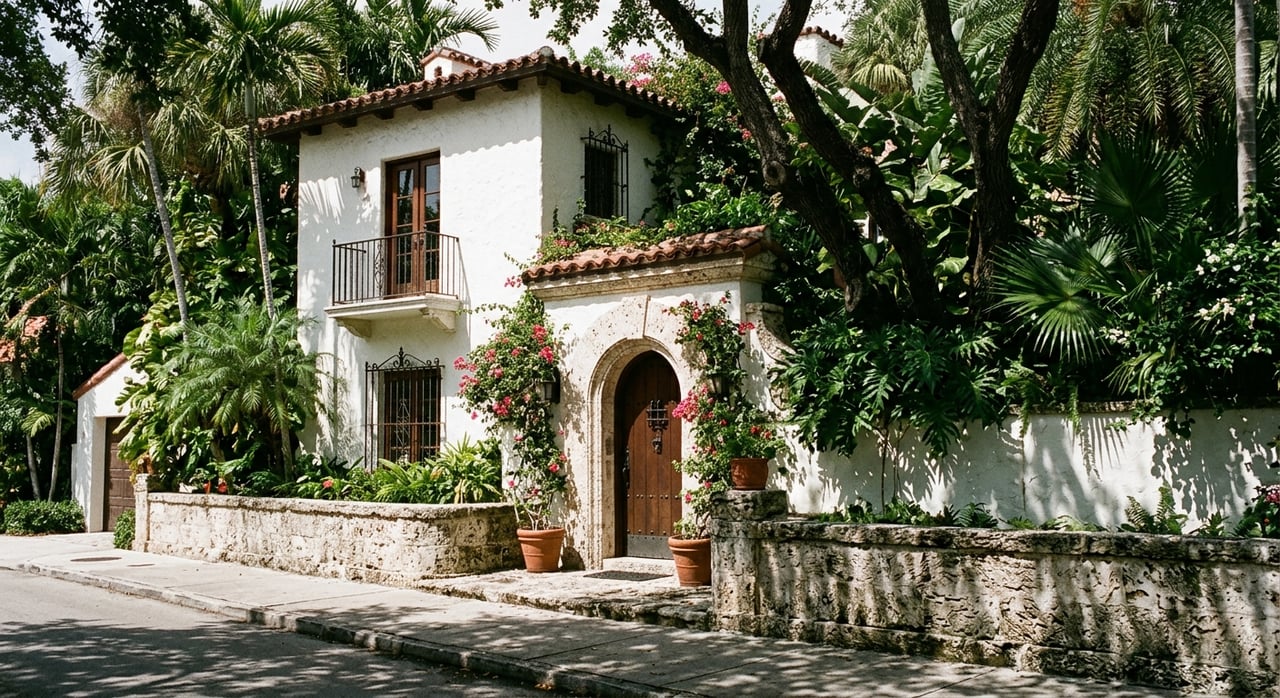
That matters when you are buying a home. In Coconut Grove, lifestyle is not just about square footage or finishes. It is also about shaded streets, landscaped blocks, porch-oriented homes, and a setting that feels connected to the outdoors.
One of the Grove’s biggest lifestyle draws is its neighborhood-scale layout. City corridor guidelines emphasize buffered sidewalks, pedestrian activity, visible entries, porches, windows, plazas, and ground-floor retail in key areas, all of which support a more walkable environment.
For you as a home shopper, that often translates into easier everyday routines. Depending on where you live, coffee runs, casual dining, parks, and waterfront time can feel close at hand instead of spread across a long commercial corridor.
Several streets act as the neighborhood’s main daily-life corridors. City materials highlight South Bayshore Drive, Tigertail Drive, SW 27th Avenue, Bird Avenue, MacDonald Street, Main Highway, Douglas Road, Grand Avenue, and Le Jeune Road as important parts of the Grove’s structure.
These corridors help explain why Coconut Grove often feels like a series of connected pockets. You are not getting one single retail strip. You are getting several recognizable nodes that each support a slightly different rhythm.
If you want a clear picture of the Grove’s mixed-use heart, start with CocoWalk. Its official description positions it as an urban village in leafy Coconut Grove at McFarlane and Grand Avenue, with garage parking and bike racks nearby.
This area reads as one of the neighborhood’s most practical lifestyle hubs. Dining and retail are clustered here, and nearby streets extend that walkable experience into the surrounding village core.
For many buyers, this part of Coconut Grove offers a simple question of fit: do you want to be close to activity, dining, and errands, or do you prefer a more tucked-away residential setting? Neither is better. It depends on how you want your days to flow.
Outdoor access is one of Coconut Grove’s strongest selling points. If you picture your weekends including open green space, bay views, and time outside without a long drive, the Grove delivers that in a way few neighborhoods can.
Peacock Park on McFarlane Road includes grills, picnic tables, a baseball field, a playground, and youth programs. Kennedy Park on South Bayshore Drive adds another waterfront open-space option along the neighborhood edge.
These are not just nice extras. They are part of the daily rhythm here. For many residents, parks and waterfront walks become part of the week, not just something saved for special occasions.
The Barnacle Historic State Park gives Coconut Grove one of its most distinct experiences. Florida State Parks describes it as the 1891 home of Ralph Middleton Munroe on Biscayne Bay, with old trees, a winding path through the hammock, picnic space, outdoor concerts, and sailboat views.
For home shoppers, places like this help explain why the Grove feels layered and memorable. The neighborhood is not only near the water. It also preserves a sense of landscape and history that shapes how the area feels day to day.
In some neighborhoods, boating is more of an image than a practical part of local life. In Coconut Grove, it is much more embedded in the area’s identity.
The City of Miami describes Dinner Key Marina as its flagship marina in Coconut Grove, with 582 slips and recognition as Florida’s largest wet-slip marine facility. The nearby Dinner Key Mooring Facility adds 225 moorings, along with dinghy dock service, transient and long-term moorage, and vehicle and bicycle parking.
If you are drawn to sailing, marina access, or simply living near an active waterfront setting, this is a meaningful lifestyle factor. Even if you do not own a boat, the presence of marinas and sailboat activity helps shape the neighborhood’s atmosphere.
Coconut Grove does not offer one predictable housing type. City conservation and design rules are specifically intended to preserve its landscaped residential character, tree canopy, green space, bay views, and architectural variety.
That is why home shopping here often feels more nuanced than in newer, more uniform neighborhoods. You may see bungalows under mature canopy, homes with gabled roofs and screened porches, and a broad mix of architectural forms depending on the pocket.
City materials identify subdistricts including North Grove, Center Grove, South Grove, and Village Center. While this is not a simple one-line summary of each area, it does reinforce an important point: Coconut Grove is best understood as several connected sections rather than one single product.
As you tour homes, pay attention to block-by-block differences. Street width, canopy, setbacks, and proximity to neighborhood activity can noticeably change the feel from one area to the next.
Center Grove stands out in city materials as the most clearly mixed-density pocket. Duplex, triplex, and multifamily uses are most concentrated between SW 27th Avenue and Charles Avenue, while single-family homes remain the most common use overall.
That mix can matter if you want flexibility in housing type or a location that feels closer to neighborhood activity. It can also matter for buyers looking at multifamily or small income-producing opportunities within the Grove’s broader residential setting.
The Village West Island and Charles Avenue area carries a more heritage-driven identity. City guidelines call for visual compatibility with Caribbean vernacular and traditional building forms associated with African-American heritage, including features such as Bahamian shutters, porches, stucco or board-and-batten walls, and gabled or hipped roofs.
For you, that helps explain why some parts of Coconut Grove feel older, more intimate, and more architecturally distinct. The character here is not accidental. It is part of a documented effort to preserve a specific local identity.
When buyers say they want to live in Coconut Grove, they are often reacting to the neighborhood’s overall image. The smarter next step is to narrow that image into the version of the Grove that fits your routine.
A few lifestyle questions can help:
In practical terms, buyers often gravitate toward one of three broad lifestyle patterns in the Grove:
| Lifestyle focus | What it may feel like |
|---|---|
| Near Dinner Key and parks | More waterfront and marina-oriented, with strong access to open space |
| Around CocoWalk and Grand Avenue | More mixed-use and walkable for dining, errands, and street activity |
| Deeper residential pockets | More shaded, porch-driven, and tied to conservation-district character |
When you visit homes in Coconut Grove, try to look beyond the interiors at first. The setting often carries just as much value as the structure itself.
Notice the tree canopy, setbacks, sidewalks, porches, and how the home meets the street. In the Grove, those details often shape privacy, walkability, and overall feel in ways that photos alone cannot fully capture.
It also helps to tour at different times of day. A block that feels calm in the morning may feel more active in the evening if it sits close to a village corridor, park route, or mixed-use node.
Coconut Grove tends to resonate with buyers who want a neighborhood with texture. Instead of a single defining feature, you get a layered mix of outdoor living, bay access, walkability, historic character, and architectural variation.
That blend is a big reason the Grove continues to stand out in Miami-Dade. If your ideal home search includes lifestyle as much as the house itself, Coconut Grove is worth exploring with a close eye on the specific pocket that matches how you want to live.
If you are thinking about buying in Coconut Grove, I can help you compare blocks, housing types, and on-market or private opportunities with a clear, tailored strategy. When you are ready to take the next step, schedule a consultation with Eric Edward Exhibits.
Stay up to date on the latest real estate trends.

Eric Periu
Primary phone
Address
20803 Biscayne Blvd
Aventura FL 33180