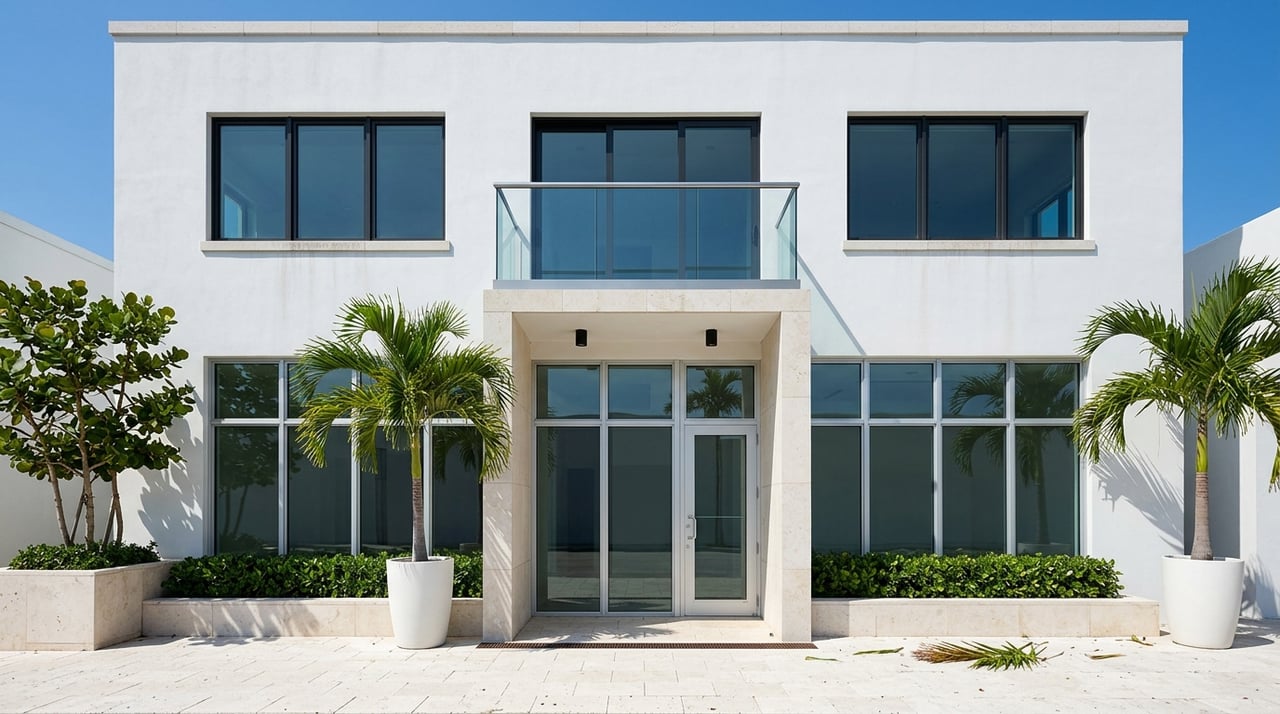
Fort Lauderdale Mixed Use Property Marketing Strategies
July 2, 2026
July 2, 2026
If you are selling a mixed-use property in Fort Lauderdale, polished marketing alone is not enough. Buyers here look past surface-level presentation and focus on income quality, zoning, location, and risk factors like flood exposure. When you market the asset with clear numbers, clean documentation, and strong visuals, you make it easier for buyers to understand value and move forward with confidence. Let’s dive in.
A mixed-use property in Fort Lauderdale sits in a large and active local market. Fort Lauderdale had 190,641 residents in 2024, and Broward County had more than 2 million residents, which gives owners access to a broad customer, tenant, and investor base. That scale matters when you position a property for local users, local investors, and out-of-area buyers.
The digital audience matters too. About 91.8% of Fort Lauderdale households had broadband service, which supports an online-first marketing strategy. That means your listing package needs to do more than announce availability. It needs to help a buyer review the property remotely and understand the opportunity before ever stepping on site.
Not all mixed-use assets in Broward are underwritten the same way. Recent market data showed Broward retail ending 2025 with 3.9% vacancy and average asking rents of $27.59 per square foot NNN, while office vacancy was 12.3% with overall rents at $41.60 per square foot and Class A rents at $46.74. That split shapes how buyers view mixed-use buildings.
If your property is retail-heavy, the marketing story can often lean into steadier income and stronger retail fundamentals. If it is office-heavy, buyers may want a more detailed lease-up, repositioning, or value-add narrative. In either case, your materials should explain how much of the building is tied to each use and how that affects current income and future potential.
Sophisticated buyers do not stop at headline rent. They look at net operating income and total occupancy cost, including taxes, utilities, maintenance, and pass-through expenses. If your marketing package blurs those details, buyers may assume more risk than actually exists.
A better approach is to separate the income by use type and suite. Show which spaces are retail, which are office, and which areas are ancillary. Buyers should be able to see what is leased, what is available, what can be owner-occupied, and how each component contributes to the overall value.
In my experience, strong mixed-use marketing starts long before the listing goes live. The best campaigns are built on preparation. When your documents are complete and organized from day one, buyers spend less time guessing and more time underwriting the actual opportunity.
Your package should include the core items buyers expect:
For small mixed-use assets, buyers also want practical operating detail. They often review lease expirations, vacancy history, tenant credit, CAM or NNN recovery structure, and possible tenant improvement exposure. Clear records reduce uncertainty and help support pricing.
The listing should also answer basic physical questions quickly. If a buyer has to chase down simple details, momentum slows. A complete fact set makes the asset easier to compare against other opportunities.
Have these details ready:
These facts help buyers decide whether they are looking at a stable income asset, an owner-user opportunity, or a more speculative play.
In Fort Lauderdale, zoning is not a side note. It is often a major part of the marketing story. Buyers want to know not only what the property is doing today, but also what it may be allowed to do in the future.
The city directs owners to verify zoning through its Property/Zoning Information Reporter and Unified Land Development Code. Broward County also notes that land-use designation determines how a property may be used, and map amendments may be required when a proposed use is not currently permitted. If you are marketing redevelopment upside, those details need to be checked before they appear in your pitch.
General language like “future upside” is usually not enough. In this market, buyers are often looking at corridor status, land-use designation, and whether additional residential uses may be possible. A broad claim without supporting facts can weaken trust.
For example, Broward Policy 2.16.4 allows additional residential density on certain parcels west of and including US 1 that are designated Commerce or Activity Center, subject to affordability requirements and other restrictions. That can widen the buyer pool, but only if the parcel actually qualifies. The safest and strongest marketing approach is to present redevelopment potential with precision, not guesswork.
Location for a mixed-use property is about more than the street name. In Fort Lauderdale, buyers often focus on frontage, visibility, access, parking, pedestrian traffic, and proximity to transit. Those factors directly affect tenant appeal, occupancy, and future leasing strategy.
This is especially important because Fort Lauderdale continues refining mixed-use criteria along major corridors, and its downtown transit-oriented development guidance emphasizes walkability, mobility, and parking standards. If your property benefits from corridor exposure or transit proximity, that should be explained clearly in the marketing package.
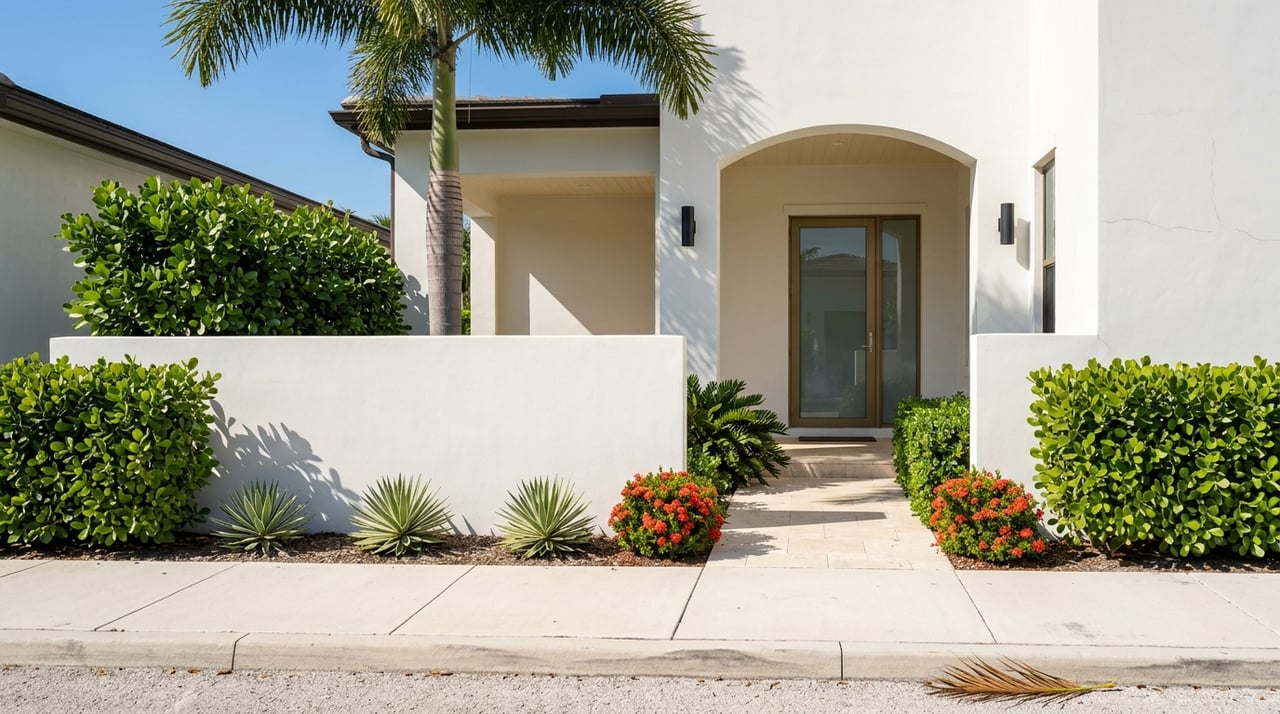
The best listings help buyers understand how the building functions in the real world. Aerials, site plans, and photos of access points can help show how customers, tenants, and deliveries interact with the site. That context can be just as important as interior finishes.
For a Fort Lauderdale mixed-use building, it is smart to show:
In South Florida, flood and insurance questions should never be treated as afterthoughts. Broward says FEMA flood maps effective July 31, 2024 should be reviewed. The City of Fort Lauderdale also notes that the city is low, flat, and surrounded by water, and that many properties are in or near Special Flood Hazard Areas.
That matters because flood insurance may be required for most federally secured loans in those zones. If a buyer discovers flood-related issues late in the process, the deal can slow down or pricing can shift. A cleaner strategy is to review flood-zone status early and have any available elevation certificate or related property records ready for buyer review.
If the property has had additions, fill, or site changes, those items should be matched to the permit file before the property hits the market. The city regulates development in flood zones through plan review and permits, so documentation matters. When these records are organized in advance, due diligence tends to move more smoothly.
Fort Lauderdale buyers often start online, and out-of-area investors may rely heavily on digital materials before deciding to visit. That makes your online presentation one of the most important parts of the campaign. A strong package should be visual, specific, and easy to understand.
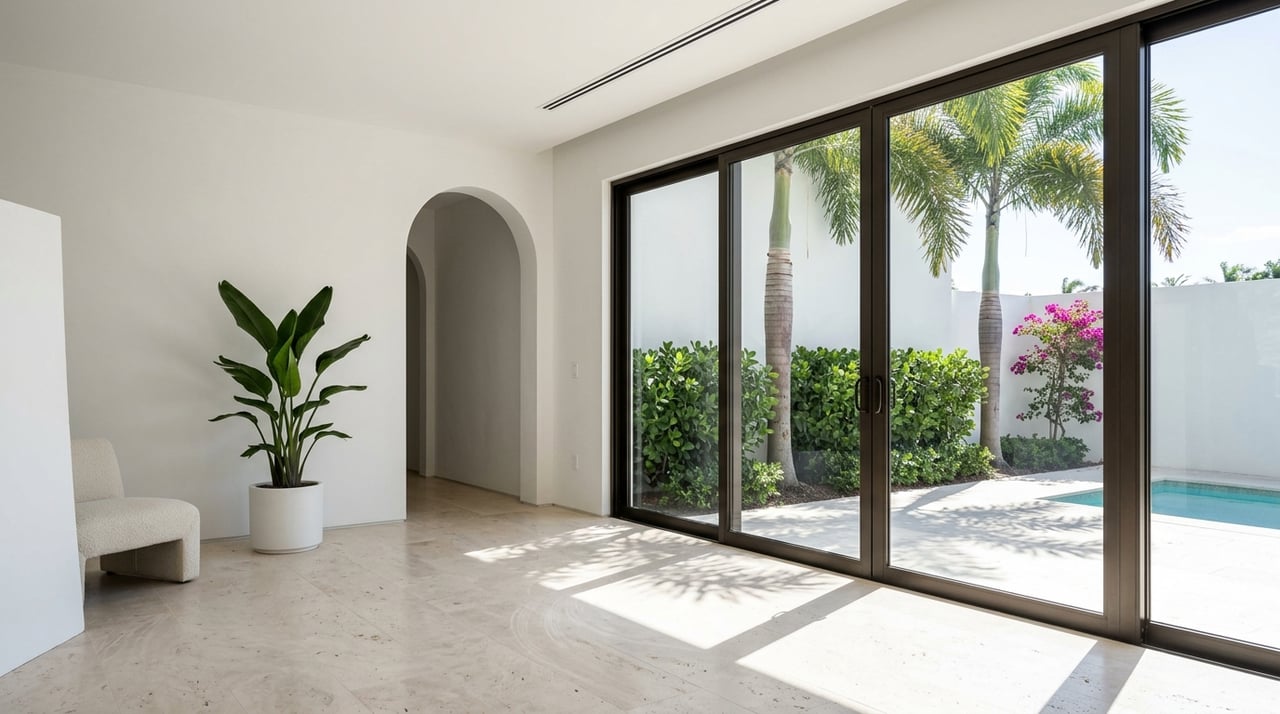
Photos, video, virtual tours, floor plans, and drone footage can all help buyers grasp layout, visibility, and site configuration. For mixed-use properties, this is especially useful because the asset may have different tenant types, suite sizes, and access patterns under one roof. The clearer the visual package, the less friction buyers feel.
One of the most common mistakes in mixed-use marketing is presenting the building as one blurred concept. Buyers want to see each use broken out clearly. That includes labeling retail areas, office suites, and any ancillary spaces, along with clear suite boundaries when possible.
This is how you help buyers understand what they are actually purchasing. They should be able to identify what is income-producing today, what may be vacant, and what space could support a future strategy. When the layout is easy to follow, the asset feels more financeable and more credible.
Strong visuals should clarify the property, not oversell it. If photos are heavily enhanced or virtual staging changes the look of the space, that should be disclosed clearly. Marketing works best when buyers trust what they are seeing.
Accuracy is especially important for condition, views, and site context. If visual edits conceal real-world limitations, buyers may lose confidence once they dig deeper. In small commercial and mixed-use sales, trust is a pricing tool.
The strongest mixed-use marketing story in Fort Lauderdale is usually simple. Buyers want clear income, clear use, clear compliance, and clear visuals. When those four elements are present, the property becomes easier to underwrite and easier to compare against competing listings.
That is the standard I would aim for before launching any campaign. Clean numbers support value. Verified zoning supports credibility. Good visuals support engagement. Together, they help you attract more serious buyers and create a smoother path from first inquiry to closing.
If you are preparing to sell a small commercial or mixed-use property in South Florida, I can help you shape the story, tighten the presentation, and bring the right details forward from the start. Eric Edward Exhibits offers a boutique, detail-driven approach designed to help you market with clarity and confidence.
Stay up to date on the latest real estate trends.




Eric Periu
Primary phone
Address
20803 Biscayne Blvd
Aventura FL 33180