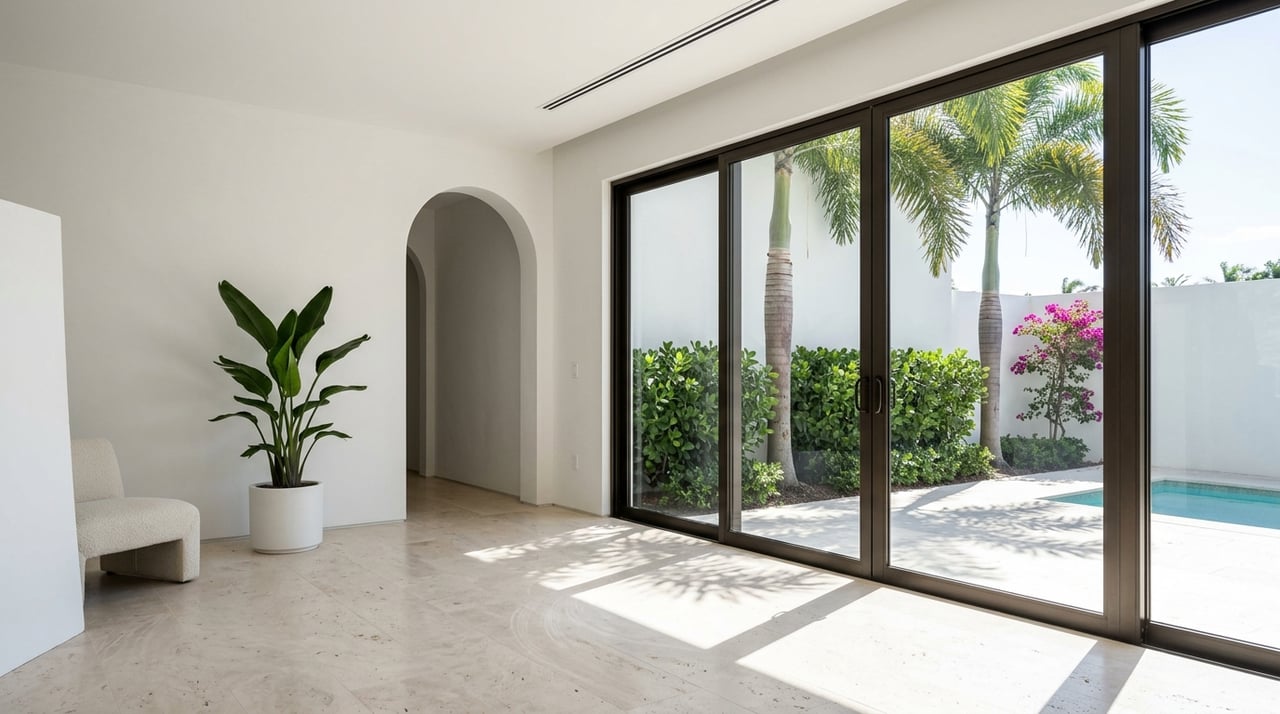
Your Miami Luxury Home Sale Timeline: What to Expect
July 16, 2026
July 16, 2026
If you are getting ready to sell a luxury home in Miami, one of the first questions you probably have is simple: how long will this really take? In this market, the answer is rarely just “list it and wait a week.” High-end sales often move through a longer, more detailed process shaped by pricing, presentation, buyer diligence, title work, permits, and closing logistics. This guide will walk you through a realistic Miami luxury home sale timeline, what can speed it up, and what can slow it down, so you can plan with more confidence. Let’s dive in.
In Miami-Dade County, the luxury single-family threshold was $4.1 million in Q1 2026, while the ultra-luxury threshold was $13.6 million. That matters because homes at these price points often attract a different buyer pool and follow a different pace than the broader market.
Miami also stands out nationally for the size of its high-end inventory. By the end of 2025, the Miami metro had the most million-dollar listings in the country, and luxury buyers here often include cash buyers, international purchasers, retirees, and second-home buyers. In other words, your timeline may depend as much on preparation and transaction management as on demand alone.
A luxury sale in Miami usually has two main clocks:
For many sellers, that adds up to a few months, even in a healthy market. In Q1 2026, Miami-Dade single-family homes had a median time to contract of 58 days and a median time to sale of 98 days. In the Miami metro, the top 10% of listings took a median 93 days to sell in December 2025.
That does not mean every luxury home will take that long. It does mean that for a well-prepared seller, it is smarter to plan for several stages rather than expect an immediate offer and instant closing.
Before your home ever goes live, the prep stage can take several weeks. This is often the part that saves time later because it helps you catch issues before a buyer does.
For a luxury home, pre-listing work is usually more involved because buyers expect a cleaner presentation and a smoother diligence process. If your paperwork, disclosures, or permit history are incomplete, that can create delays after you accept an offer.
In Florida, sellers must disclose known facts that materially affect value and are not readily observable. Florida law also requires a flood disclosure at or before contract execution.
In Miami-Dade, there may be additional disclosure needs depending on the property. For example, the county requires flood-zone disclosure for properties in certain hazard areas, and its residential sales guidance includes septic disclosures where applicable.
This step matters a lot in Miami. In unincorporated Miami-Dade, sellers must disclose illegal construction and outstanding code violations at contract time.
That is important because some inspections do not automatically uncover these issues. If open permits, unpermitted work, or code problems surface late, they can stretch the timeline or put the deal at risk.
Title problems can stop a deal, even when a buyer is ready to move forward. That is why starting title review early is one of the smartest ways to protect your timeline.
A pre-listing title check can help confirm ownership details, identify liens, and flag tax or payoff issues before your home hits the market. In luxury transactions, where timing and presentation both matter, early title work can prevent avoidable surprises.
Pre-list inspections can be especially useful for high-end homes. General inspections, wood-destroying organism inspections, and permit inspections can all help you identify issues before a buyer begins their own review.
Under the current Florida residential contract, buyers generally have 15 days by default for inspections. If you already understand the condition of the property and any permit concerns, you are in a much better position to respond quickly and keep the deal moving.
Once your home goes live, the next phase is market exposure. In Miami’s luxury segment, this often means several weeks of active marketing rather than an immediate contract.
That is especially true because many luxury buyers are out of town or buying from a distance. Strong digital presentation, polished media, and virtual access matter because your buyer may first experience the property remotely.
In Miami-Dade, the median time to contract for single-family homes was 58 days in Q1 2026. That suggests that even well-positioned homes may spend weeks on the market before the right offer comes together.
If the asking price is too ambitious, or if the home enters the market without a strong condition and disclosure package, the timeline can stretch further. In luxury real estate, pricing and preparation work together.
Luxury sellers should also expect negotiation around more than just price. In Q1 2026, Miami-Dade single-family homes received a median 94.5% of original list price.
That tells you something important. Even in a solid market, buyers may ask for credits, repairs, or flexibility on timing rather than simply accept the home as-is at full price.
Once you accept an offer, the under-contract timeline begins. One of the first major checkpoints is the inspection period.
Under the current Florida contract, buyers generally have 15 days to complete inspections. During that time, general inspections may lead to follow-up questions about wood-destroying organisms, permit history, or repairs, all of which can affect the path to closing.
Permit review deserves special attention in Miami. If a buyer identifies open permits or unpermitted improvements during the inspection period, the seller must respond through the contract process.
Open or expired permits generally must be closed no later than 5 days before closing. If government delays prevent final permit inspections, closing can be extended by up to 10 days.
Title also runs on a separate track once you are under contract. Under the Florida residential contract, the buyer has 5 days after receiving the title commitment to object to defects.
The seller then has a 30-day cure period to resolve those issues. If the defects cannot be cured, the buyer may accept them, extend the cure period, or terminate the contract.
Miami luxury sales are heavily cash-driven. Year-to-date million-dollar sales were 59% all-cash, and 81% of $10 million-plus sales were all-cash.
That can help compress the final stretch because mortgage underwriting is removed from the process. Still, cash does not eliminate title review, disclosures, inspections, or permit cleanup.
If your buyer is financing, the closing timeline often stretches into the 30 to 60 day range. That is why the contract-to-close phase can feel longer, even after a strong offer is accepted.
For sellers, the practical takeaway is simple: a financed offer may still be excellent, but it usually comes with a longer runway. If timing is a priority, buyer profile matters.
This is one of the most common causes of delay in Miami. A beautiful renovation can still create problems if permit records are incomplete or work was never properly closed out.
Because permit issues often surface during inspection or title review, handling them early can protect both your leverage and your timeline.
Flood-related questions can affect both disclosure and buyer diligence. Florida law requires a flood disclosure at or before contract execution, including whether the seller knows about prior flooding, flood claims, or flood-related assistance.
In some parts of Miami-Dade, flood-zone disclosure requirements may also apply. If this information is gathered early, buyers can assess it sooner and move forward with fewer surprises.
Liens, unpaid balances, or title defects can stall a closing even after inspections go smoothly. These issues are easier to solve when they are discovered before listing rather than after contract deadlines begin.
That is why transaction coordination matters so much in the luxury market. The smoother the file, the smoother the timeline.
Here is a practical way to think about the process:
| Phase | What happens | Typical timing |
|---|---|---|
| Pre-listing | Disclosures, title review, permit checks, inspections, marketing prep | Several weeks |
| Active listing | Showings, buyer outreach, negotiations | Several weeks to a couple of months |
| Under contract | Inspections, title review, permit resolution, closing prep | 30 to 60 days in many financed deals |
Every property is different, but this general framework fits what many Miami luxury sellers experience. The biggest mistake is assuming the timeline starts when the sign goes up. In reality, the process starts much earlier.
If you want to improve your odds of a smoother sale, focus on the steps that reduce friction:
In Miami’s luxury market, speed usually comes from preparation, not luck. A polished launch helps, but clean paperwork and disciplined follow-through are what keep a transaction together.
If you are planning to sell a luxury home in Miami, I can help you map out the timeline before you list, identify issues that could delay closing, and build a marketing plan designed for high-value buyers. When you are ready, schedule a free consultation with Eric Edward Exhibits.
Stay up to date on the latest real estate trends.

Eric Periu
Primary phone
Address
20803 Biscayne Blvd
Aventura FL 33180