Guide to Miami Beach Condo Lifestyle and Amenities
May 21, 2026
May 21, 2026
What does Miami Beach condo living really buy you beyond the unit itself? In this market, the answer often has as much to do with beach access, building services, and your day-to-day routine as it does with square footage or views. If you are comparing condos in Miami Beach, this guide will help you understand how amenities, location, and monthly costs work together so you can choose a lifestyle that actually fits the way you want to live. Let’s dive in.
In Miami Beach, condo living extends well beyond your front door. The city offers a 7-mile stretch of beaches, a 9-mile oceanfront Beachwalk, complimentary trolleys, and public swimming pools at Flamingo Park and Normandy Isles.
That matters because a beach-forward lifestyle is not limited to direct oceanfront ownership. In many cases, you can enjoy the same outdoor rhythm, public access, and waterfront routines without living directly on the sand.
The city also supports broader beach access with smooth beach-access mats at multiple entry points across South Beach, Mid Beach, and North Beach. Manual beach wheelchairs are also available on a first-come, first-served basis at Lummus Park and South Pointe Park.
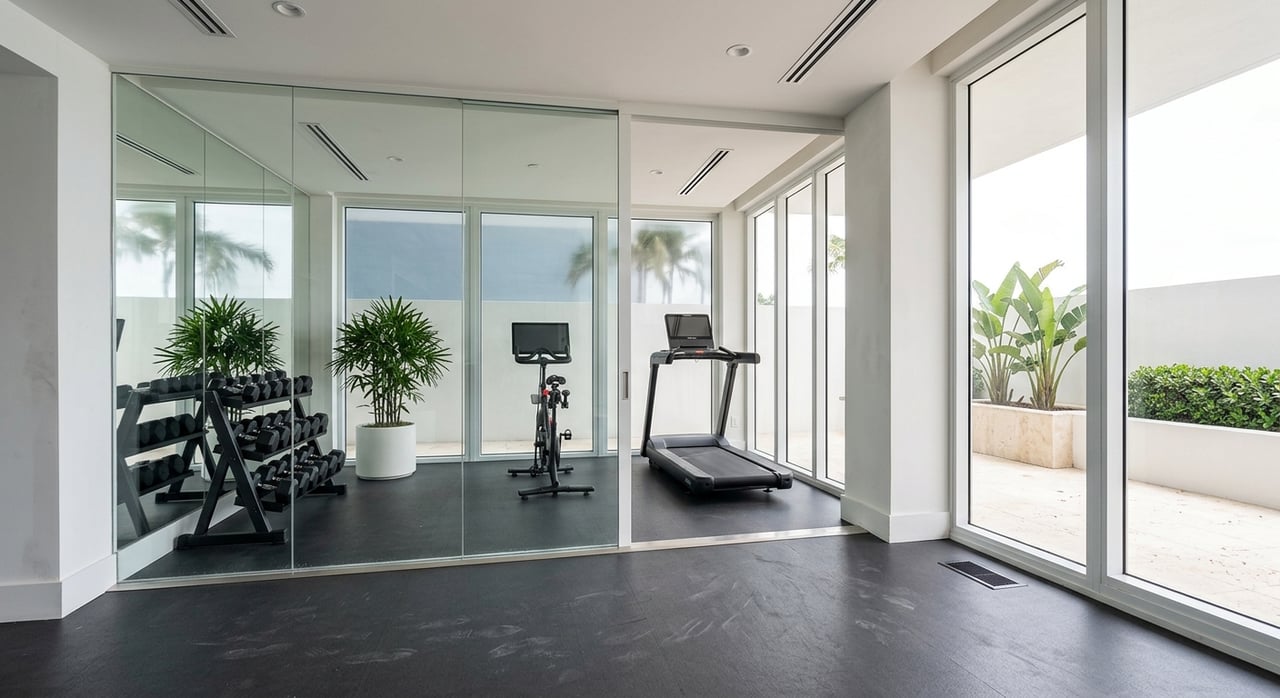
Miami Beach condos often market a resort-style experience rather than a basic building package. Depending on the property, you may see amenities such as pools, fitness centers, spa or sauna areas, concierge service, valet, security, tennis courts, restaurants, business centers, gardens, or direct beachfront access.
The key point is simple: there is no single Miami Beach condo formula. Some buildings are built around a full-service lifestyle, while others keep amenities more limited and streamlined.
That variation matters because it usually shows up in your monthly costs. A condo with more staffing, more services, and more shared spaces will usually carry a different fee structure than a building with a leaner amenity package.
Here are some of the features that commonly appear in current Miami Beach condo marketing:
When I help buyers compare buildings, I look at these features as part of the real monthly lifestyle value, not just a sales brochure checklist.
One of the biggest decisions you will make is not just which building to choose, but which part of Miami Beach feels right for your routine. Each area offers a different public-realm experience, even before you factor in the condo itself.
South Beach is the most destination-heavy part of Miami Beach. The city’s South Beach trolley connects residents to restaurants, grocery stores, hotels, entertainment venues, museums, libraries, parks, marinas, shopping, Lincoln Road Mall, the Miami Beach Convention Center, and other civic facilities.
Lummus Park adds a very active outdoor layer, with beach access, paved walking and biking paths, public restrooms, outdoor fitness, Muscle Beach, and event programming. South Pointe Park also offers beach access, open space, outdoor fitness, a playground, and paid parking.
If you want a busier setting with easy access to dining, shopping, and public destinations, South Beach often fits that goal best.
Mid Beach sits between the energy of South Beach and the calmer feel of North Beach. The city describes it as the home of grand hotels and a culturally rich smaller neighborhood.
The Middle Beach Loop serves Mount Sinai Hospital, schools near 41st Street, the 41st Street commercial corridor, the regional library, the Miami Beach Botanical Garden, the convention center, and city hall. Mid Beach Park at 46th Street and Collins Avenue offers beach access, restrooms, parking, and a fenced nautical-themed playground.
If you want a middle-ground option with a blend of neighborhood convenience and resort influence, Mid Beach is often worth a close look.
North Beach has a calmer feel in the city’s own language. The city describes it as having a relaxing and welcoming appeal, with open beach, parks, winding walkways, tree canopies, and a mix of historic and modern architecture.
North Beach Oceanside Park includes beach access, pavilions, restrooms, outdoor fitness, bench seating, and parking. The area is also home to North Beach Bark Beach, the city’s designated dog beach, located between 80th and 81st Streets.
If your priority is a more laid-back setting with strong park and promenade access, North Beach can be an excellent fit.
A lot of buyers start with one assumption: if a condo is not directly on the sand, the lifestyle will feel second-tier. In Miami Beach, that is not always true.
The city’s 9-mile ADA-accessible Beachwalk runs along the oceanfront and connects broad sections of Miami Beach. Combined with public access points, beach-access mats, parks, and trolley connections, that network can make a non-oceanfront building feel very connected to the beach.
This can widen your options in a helpful way. If your real goal is frequent beach use rather than a specific address line, you may find strong lifestyle value in buildings that are near the beach rather than directly on it.
Monthly condo fees are one of the most important parts of the buying decision in Miami Beach. Under Florida law, condominium common expenses can include the operation, maintenance, repair, replacement, or protection of common elements and association property.
The law also identifies certain items as common expenses when applicable, including security services, directors and officers insurance, road maintenance and operation, in-house communications, and bulk internet or cable service. Government-required items such as fire-safety equipment or master-meter water and sewer service can also fall into common expenses.
That means your monthly fee is not just paying for visible extras like a pool deck or valet stand. It can also support the basic operation and protection of the building itself.
Florida’s Department of Business and Professional Regulation describes a reserve study as a budget planning tool that tracks required maintenance items, existing reserve funds, and future funding needs. If reserve funding is short, an association may need to levy special assessments or obtain a loan or line of credit to meet the reserve schedule.
For qualifying residential condominium buildings that are three habitable stories or higher, Florida requires a structural integrity reserve study at least every 10 years. Current state rules also limit the ability to waive reserve funding for required items in many cases.
This is why a low monthly fee is not automatically the best deal. A lower number may look attractive at first, but the more important question is whether the building is budgeting responsibly for ongoing maintenance and future repairs.
The smartest condo choice usually comes down to honest use. If you will use the gym, pool, valet, concierge, or beach services regularly, paying for those features may make sense.
If those amenities sound nice but will not be part of your weekly life, a building with fewer services may offer better value. That is especially true if you care more about location, layout, or carrying costs than a hotel-style amenity package.
Use these questions to narrow the field:
These questions can help you focus on practical fit rather than marketing language alone.
Miami Beach condo living is often a tradeoff between service level, beach proximity, area feel, and monthly cost. For some buyers, the right fit is a full-service tower with a robust amenity package and a highly active setting.
For others, the better match is a more relaxed building with easier carrying costs and strong access to parks, the Beachwalk, and public beach entry points. Neither choice is better on its own. The better choice is the one that matches how you actually want to live.
If you are sorting through Miami Beach condo options, I can help you compare buildings, monthly costs, and neighborhood fit in a way that keeps the decision clear and practical. To get started, schedule a consultation with Eric Edward Exhibits.
Stay up to date on the latest real estate trends.



Eric Periu
Primary phone
Address
20803 Biscayne Blvd
Aventura FL 33180