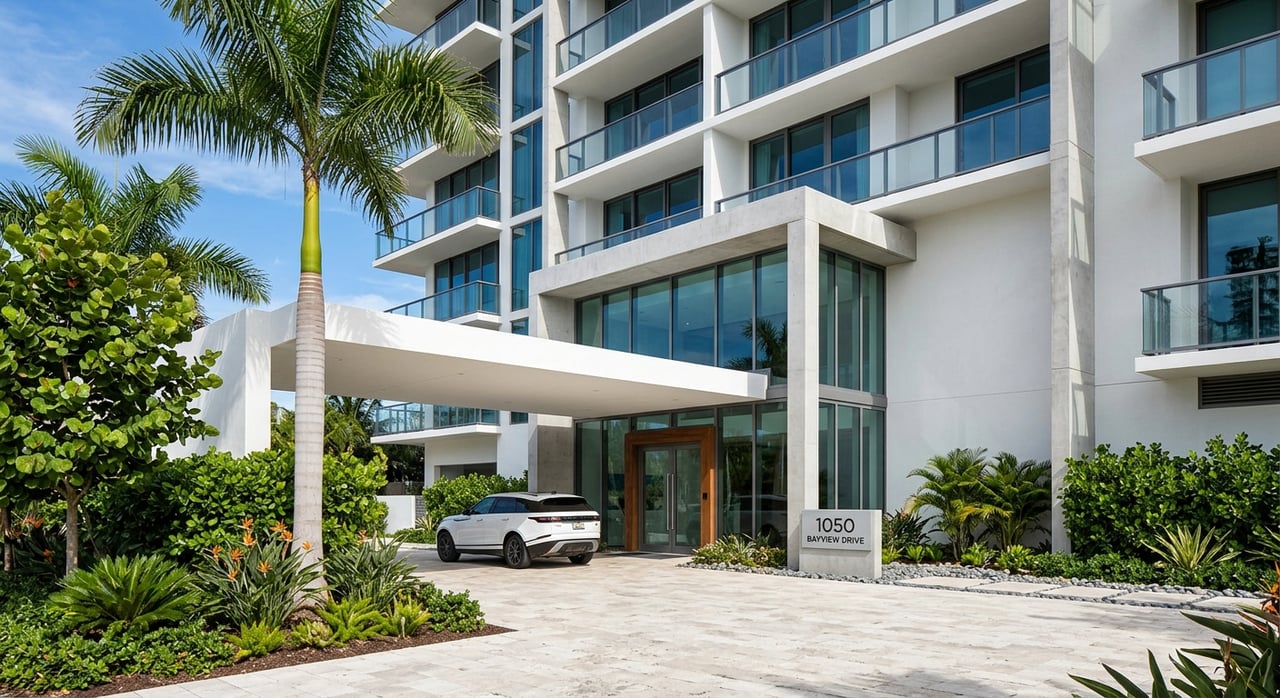
Comparing Delray Beach vs Miami Beach Condos for Buyers
April 23, 2026
April 23, 2026
If you are deciding between Delray Beach and Miami Beach for a condo purchase, the choice is about more than price. You are really choosing between two very different coastal lifestyles, building profiles, and long-term ownership experiences. In this guide, I’ll walk you through the key differences so you can compare cost, walkability, inventory, and condo-specific risks with more confidence. Let’s dive in.
For many buyers, the biggest difference starts with price. According to Realtor.com’s Delray Beach market overview, Delray Beach had a median listing price of $315,000 in March 2026, compared with $670,000 in Miami Beach. Price per square foot also showed a major gap, with Delray Beach at $252 per square foot and Miami Beach at $719.
That gap matters if you want more flexibility in your budget. Delray Beach generally gives you a lower entry point, while Miami Beach asks buyers to pay more for a denser, more urban beachfront setting. If you are weighing value first, Delray Beach has the clearer advantage.
Looking at public benchmarks, Delray Beach appears more budget-friendly on both purchase price and ongoing carrying costs. Realtor.com reports a median rent of $2,700 per month in Delray Beach, while Miami Beach comes in at $3,200. While rent is not the same as ownership cost, it can still help frame the broader cost environment.
Closed-sale data points in the same direction. In MIAMI Realtors’ February 2026 condo and townhome city table, Delray Beach posted 59 closed sales with a $350,000 median sale price, while Miami Beach had 209 closed sales and a $538,000 median sale price. That tells you Miami Beach is not only more expensive on listings, but also on actual sales activity.
If you are hoping for negotiating leverage, Delray Beach may offer a more comfortable setup. MIAMI Realtors reported that Palm Beach County had 8.9 months of existing condominium inventory in February 2026, with a countywide condo median sale price of $315,000. In plain English, that suggests a more balanced market than a highly constrained seller’s market.
That does not mean every condo is negotiable. Desirable buildings, updated units, and well-located east-side properties can still move quickly. Still, a more balanced condo market can give you time to compare buildings, review association documents, and negotiate more carefully.
Lifestyle is where these two markets really split. Delray Beach offers a more relaxed beach-town experience, especially around its downtown corridor. The Downtown Delray Beach DDA highlights a setting where you can walk to boutiques, restaurants, nightlife, and the beach.
At the same time, Delray Beach as a whole is still more car-dependent. Redfin rates the city at 35 out of 100 for walkability and 48 for bikeability, which reflects a compact walkable core with a more suburban footprint beyond downtown. If you want a coastal town that feels active but not overly intense, Delray Beach tends to fit that profile well.
Miami Beach feels much more urban. Redfin’s Miami Beach market page rates it 76 out of 100 for walkability, with a 51 transit score and a 69 bike score. That makes a real difference in day-to-day life if you want to walk to dining, entertainment, and the waterfront more often.
Delray Beach has a strong coastal identity, but it presents it in a calmer way. The city notes that its municipal beach stretches more than two miles and attracts over 3 million visitors annually, while also highlighting its historic charm and downtown activity. That combination appeals to buyers who want beach access without the constant intensity of a major resort city.
Miami Beach offers a more iconic and layered beachfront experience. The city’s oceanfront environment includes the nine-mile Beachwalk and a dense mix of historic districts, towers, and pedestrian-oriented streets. If your vision of condo ownership includes a high-energy coastal setting with a stronger global destination feel, Miami Beach has the edge.
Building stock is another important difference. Delray Beach gives you a broader range of value-oriented condo options, from lower-priced inland units to higher-end east-side and oceanfront inventory. Active examples on Realtor.com show a wide price spread, including units under $100,000 and higher-end listings such as oceanfront condos on South Ocean Boulevard.
Miami Beach has a much wider luxury spectrum. Current listings range from roughly $245,000 to more than $4 million, including condos on Collins Avenue and higher-end penthouse or newer construction inventory. If you want more luxury product and a higher ceiling for amenities and views, Miami Beach simply offers more of it.
Miami Beach is deeply tied to architectural preservation. The city states that its historic districts include more than 2,600 buildings, with about 70% categorized as contributing or historic. That creates a unique ownership experience because buyers may find themselves choosing between older Art Deco, Miami Modern, Mediterranean Revival buildings, and newer towers.
That also means more diligence. In Miami Beach, commercial and multifamily buildings built on or after 1993 must go through recertification at age 30 and every 10 years after that, according to the city’s architecture and preservation information. Older buildings can offer character, but you should expect more questions around maintenance, compliance, and future capital needs.
Delray Beach buyers should not assume a simpler process just because the city feels smaller. The city’s milestone recertification requirements say condominium and cooperative buildings that are three stories or higher must complete milestone inspections at 30 years, or at 25 years if the building is within 3 miles of the coast, and then every 10 years after that.
That matters because many coastal buyers focus on the unit first and the building second. In reality, the building can shape your ownership costs just as much as the floor plan. You will want to review inspection reports, reserve funding, recent assessments, and any planned structural work before committing.
This is one area where the city comparison matters less than the individual building. Under Florida law, condominium associations with buildings that are three habitable stories or higher must complete a structural integrity reserve study every 10 years. That means reserve funding, deferred maintenance, and upcoming repairs should be part of your condo search from the start.
In practical terms, you should compare buildings line by line. Two condos at similar prices can carry very different ownership risks if one association is well-funded and the other faces large future work. This is especially important in older coastal buildings.
Climate exposure is part of condo buying in South Florida, but the risk profile is not identical in these two markets. Redfin and First Street model-based data show both cities face hurricane and heat exposure. However, Miami Beach shows a much higher flood-risk profile.
According to Redfin’s Miami Beach housing market page, 99% of properties are at risk of severe flooding over 30 years, compared with 29% in Delray Beach. That does not mean one market is unworkable and the other is risk-free. It does mean insurance expectations, reserve pressure, and building-condition review may feel more intense in Miami Beach.
If you are buying a primary home, Delray Beach often makes more sense when you want lower pricing, a calmer downtown, and more room in your monthly budget. It gives you a real beach-town atmosphere without the same level of density and cost pressure. For many buyers, that balance feels easier to live with year-round.
Miami Beach can still work very well as a primary residence if walkability and urban energy are high on your list. You may be paying more, but you are also buying into a more connected, pedestrian-friendly beachfront environment. If that lifestyle is central to your decision, the premium may be worth it.
Miami Beach stands out more clearly as a second-home destination. MIAMI Realtors reported that Miami Beach ranked as the No. 2 largest vacation-home market in the United States, with 13,817 vacation homes making up 22% of the housing stock. That gives it a stronger vacation-home identity than Delray Beach.
Delray Beach is still a viable seasonal market, especially if you want a coastal getaway that feels quieter and easier to settle into. It just does not read as strongly as a global resort-style second-home market. Your choice depends on whether you want a calmer retreat or a more iconic destination setting.
For investment-minded buyers, Miami Beach has stronger seasonal and rental demand on headline metrics. Public market data shows a higher citywide median rent, and neighborhood pricing can climb much higher in well-known beachfront districts. That can appeal to buyers who prioritize top-line rent potential and exposure to a globally recognized market.
Delray Beach may appeal more if you are focused on value and longer-term hold strategy. Lower entry prices can create more flexibility, and a more balanced county condo market can make acquisitions feel less competitive. In either market, rental minimums and association restrictions need to be verified building by building.
If your priority is value, lower entry pricing, and a more relaxed coastal lifestyle, Delray Beach is usually the stronger fit. It offers a real downtown, meaningful beach access, and a condo market that tends to be easier on the budget. For many primary-home buyers and value-conscious second-home shoppers, that combination is hard to beat.
If your priority is walkability, urban beachfront energy, and a broader luxury or vacation-home inventory, Miami Beach may be worth the higher price. You are likely to pay more and do deeper building-level diligence, but you also gain access to a more iconic and active coastal environment. The right answer depends on whether you want your condo to maximize affordability or lifestyle intensity.
If you are comparing Delray Beach with Miami Beach and want a clear, building-by-building strategy, I can help you narrow the options based on your goals, budget, and intended use. Connect with Eric Edward Exhibits to schedule a consultation and start your search with a sharper plan.
Stay up to date on the latest real estate trends.




Eric Periu
Primary phone
Address
20803 Biscayne Blvd
Aventura FL 33180