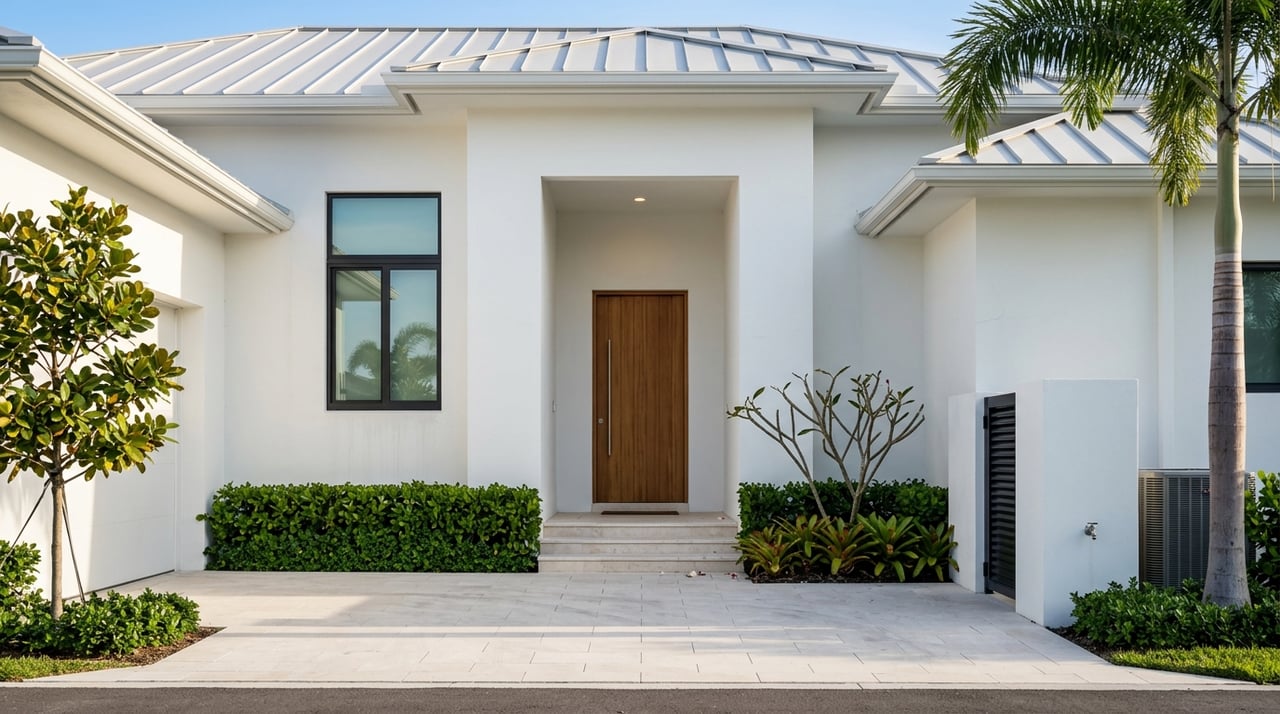
Florida Keys Second Home Lifestyle and Ownership Guide
April 16, 2026
April 16, 2026
What if your second home felt less like an occasional getaway and more like a true change of pace? In Key West, that idea is easy to picture. Life in 33040 is shaped by the water, the streets, and a rhythm that feels different from many mainland markets. If you are thinking about a Florida Keys second home, this guide will help you weigh the lifestyle appeal against the real ownership responsibilities so you can make a confident decision. Let’s dive in.
A second home in Key West is not just about owning property in a warm climate. It is about stepping into a place with a distinct daily rhythm. According to official Florida Keys tourism information, Key West is known as the southernmost city, the end of the Overseas Highway, and a destination shaped by historic homes, cultural diversity, and an easygoing atmosphere.
That lifestyle often feels more walkable and street-level than suburban. Many people get around by bike, on foot, by public transportation, pedicab, trolley, or taxi. If you want a second home where you can spend less time driving and more time enjoying your surroundings, that is a meaningful part of the appeal.
For many buyers, Key West stands out because it offers both relaxation and activity. Florida Keys visitor resources highlight Mallory Square sunset gatherings, live music, and a strong restaurant scene as part of the local identity.
That can make second-home ownership here feel more connected and outward-facing. Instead of a retreat that is quiet and tucked away, you may find yourself choosing a place where casual evenings out, waterfront dining, and public events become part of your routine.
In the Florida Keys, boating is not just a bonus feature. It is central to how many owners use and enjoy their property. Monroe County Marine Resources notes the county’s role in protecting the nearshore marine environment and managing boating and waterway infrastructure.
For buyers in 33040, that matters because boating access is practical, not theoretical. Key West has multiple marinas, and Monroe County also manages public boat ramps. If your version of a second home includes keeping a boat nearby, using the water regularly, or planning weekends around reef access, kayaking, snorkeling, or diving, ownership decisions should reflect that from the start.
If you plan to own a boat, lifestyle and logistics go together. Monroe County states that the Florida Keys are entirely within the Florida Keys National Marine Sanctuary and a federal no-discharge zone, and the county supports compliance through pump-out programs.
That means you should evaluate more than just the home itself. Slip availability, dockage options, and pump-out access should be part of your property search. These are not minor details in the Keys. They are part of how ownership works.
It is also important to understand that boating here requires attention. Official visitor safety guidance notes that the Keys include many shallow areas, which makes depth awareness, route planning, and weather conditions especially important.
If you picture casual, spur-of-the-moment boating, it helps to know that local waters reward preparation. For many buyers, that is part of the charm. For others, it is a reminder that waterfront ownership in the Keys is active, not passive.
The Florida Keys lifestyle is compelling, but second-home buyers also need to think clearly about risk, upkeep, and readiness. In Monroe County, those topics are not side issues. They are part of the ownership model.
According to Monroe County flood information, all of Monroe County is in a floodplain, and base flood elevations range from 6 to 17 feet above mean sea level. The county also states that flood damage is not covered by homeowner’s insurance.
If you are considering a purchase in 33040, property-specific flood research should happen early. Monroe County directs buyers to the FEMA Flood Map Service Center as the official public source for flood hazard information.
This is one of the most important steps in your second-home due diligence. Before you focus on finishes, views, or rental potential, make sure you understand the flood zone, elevation context, and insurance implications of the specific property.
Storm planning in the Keys also differs from many mainland markets. Monroe County evacuation information explains that the area uses a phased evacuation system, and the county notes that there are no Category 3, 4, or 5 hurricane shelters in Monroe County.
For a second-home owner, that changes the planning conversation. You need to think about how the property will be secured if you are away, who can check on it after a storm, and what delayed reentry could mean for repairs, clean-up, or access.
Monroe County also makes clear that reentry happens in stages after an evacuation. Visitors may return only when officials determine it is appropriate. That is especially relevant for second-home buyers who do not live full time in the Keys.
In practical terms, your ownership plan should include local support. Whether that means property monitoring, storm preparation help, or marine service coordination, the best second-home setup in Key West usually includes trusted local vendors.
Many second-home buyers assume cosmetic updates will be straightforward. In Key West, the process can be more involved. The city states that building permits are required before work or construction over $1,000, and incomplete permit packages are returned.
If the property is in the historic district, exterior work also requires a Certificate of Appropriateness as part of the permit process. That means even routine improvements can require more planning, documentation, and patience than they would in a less regulated market.
This is one reason a Key West second home often works best for buyers who are comfortable with some coordination. You may need local contractors, inspectors, marine vendors, or property service professionals who understand the city’s process.
That does not mean ownership is difficult. It means ownership is more hands-on than many buyers expect. Going in with that mindset can save you time, money, and frustration.
Second-home buyers often ask whether the property can help offset costs when they are away. In Key West, that question should be answered before you close, not after.
The city states that local businesses, including property rentals, need a Business Tax Receipt and related licensing compliance. The city also references transient rental medallion permits among its regulatory licenses.
Key West defines transient lodging as rentals of less than 30 days or one calendar month, or a property advertised as available to transients. The city publishes transient rental license information and actively reminds residents about reporting illegal rentals.
For you as a buyer, the takeaway is simple: do not assume a second home can be rented short term just because it is in a high-demand destination. Confirm the property’s legal use, licensing status, and restrictions before you buy.
A successful second-home purchase in the Florida Keys starts with honest answers. Before you move forward, consider these questions:
A second home in Key West can deliver something special: a water-centric lifestyle, a social atmosphere, and a setting that feels genuinely different from the mainland. It is easy to see why buyers are drawn to 33040 for seasonal use, long stays, or a part-time coastal base.
At the same time, the best ownership experiences usually happen when lifestyle goals and practical planning are aligned. Flood readiness, hurricane logistics, permitting, rental rules, and local vendor relationships all matter here. In the Florida Keys, the appeal and the discipline of ownership go hand in hand.
If you are weighing a second-home purchase in South Florida and want personalized guidance on how to evaluate coastal ownership, I can help you think through the lifestyle fit, property strategy, and due diligence process. Connect with Eric Edward Exhibits to schedule a consultation.
Stay up to date on the latest real estate trends.

Eric Periu
Primary phone
Address
20803 Biscayne Blvd
Aventura FL 33180