Coral Gables Historic vs New Homes: A Buyer’s Guide
March 5, 2026
March 5, 2026
Trying to choose between a 1920s Old Spanish beauty and a sleek new build in Coral Gables? You are not alone. Buyers here often weigh character, permits, insurance, and maintenance before they fall in love with a front door. In this guide, you will see how historic homes compare with newer construction in design, systems, costs, timelines, and risk so you can move forward with clarity. Let’s dive in.
Coral Gables is a planned city known for its Mediterranean Revival style and Old Spanish aesthetics dating back to the 1920s. The city actively preserves this architectural identity through a local register and historic‑preservation program that shapes how many homes look and live today. You can explore the local context and notable landmarks through the city’s own resources on historical landmarks.
From a market perspective, portal estimates place the typical Coral Gables home value around $1.45 million, though individual neighborhoods vary widely. Waterfront enclaves often price much higher, while interior streets show a mix of original 1920s–1950s homes and tasteful remodels. Always verify current values and comps through the MLS for your specific property and timing.
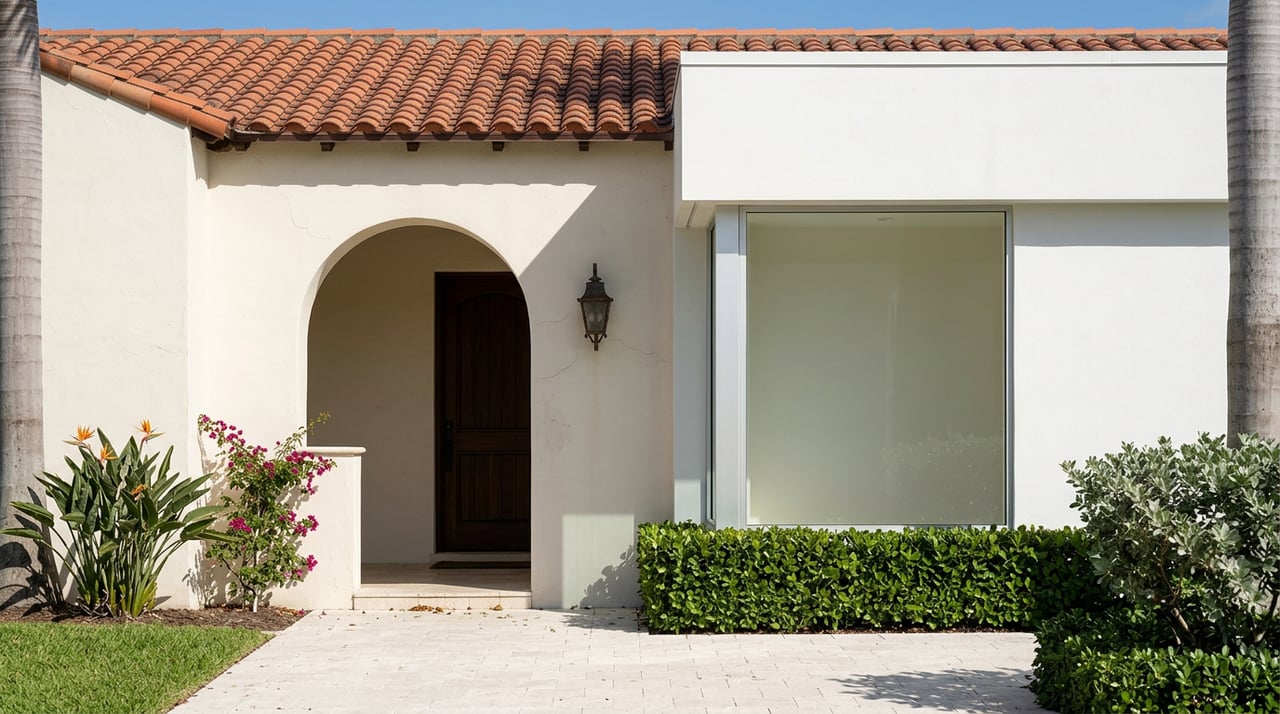
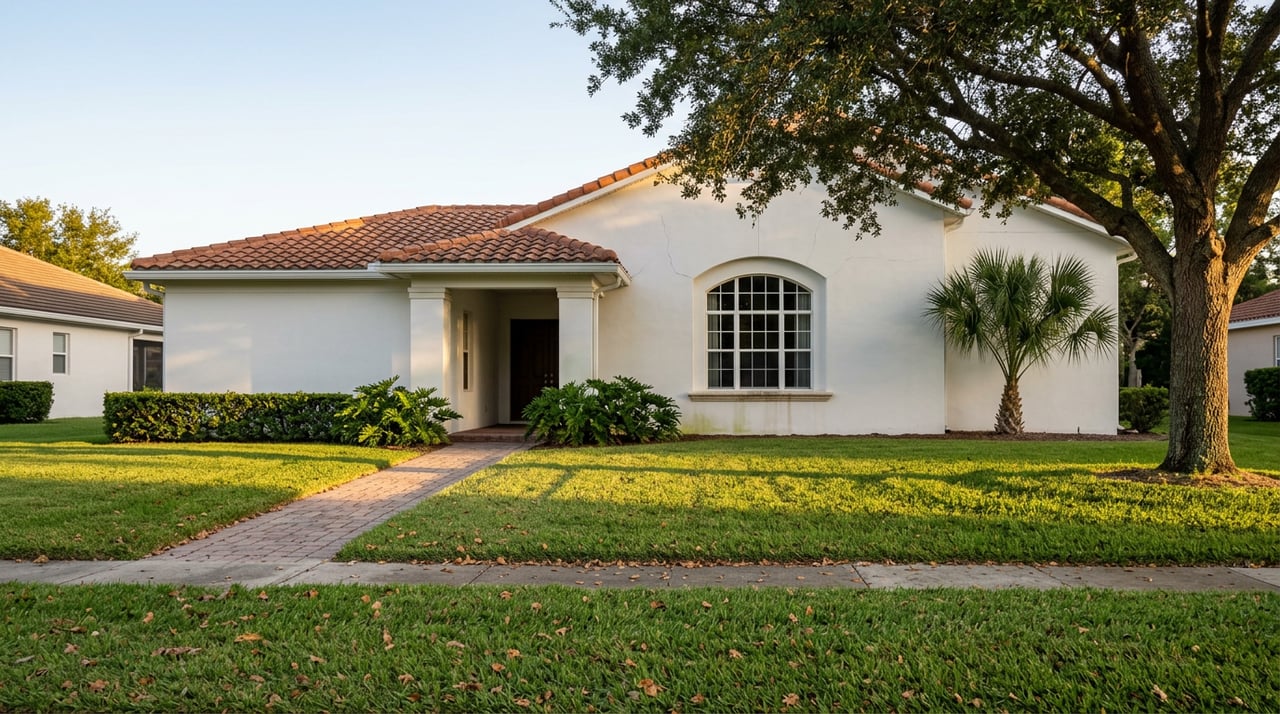
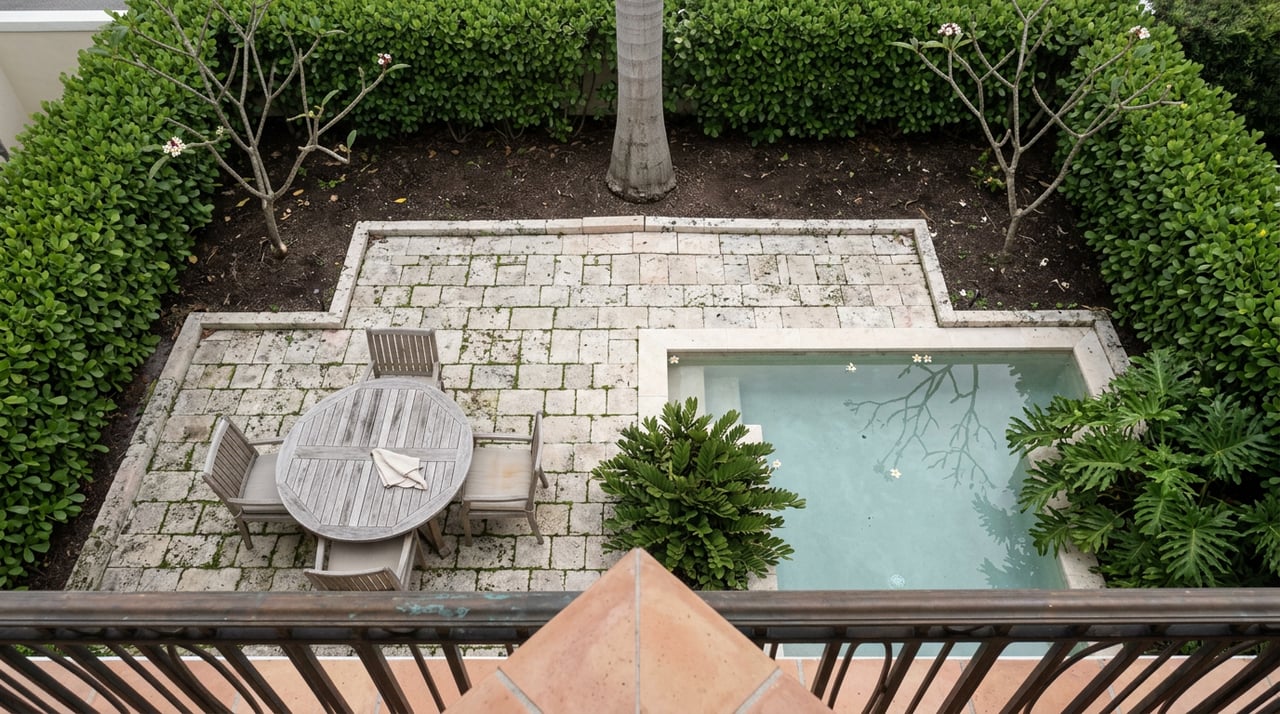
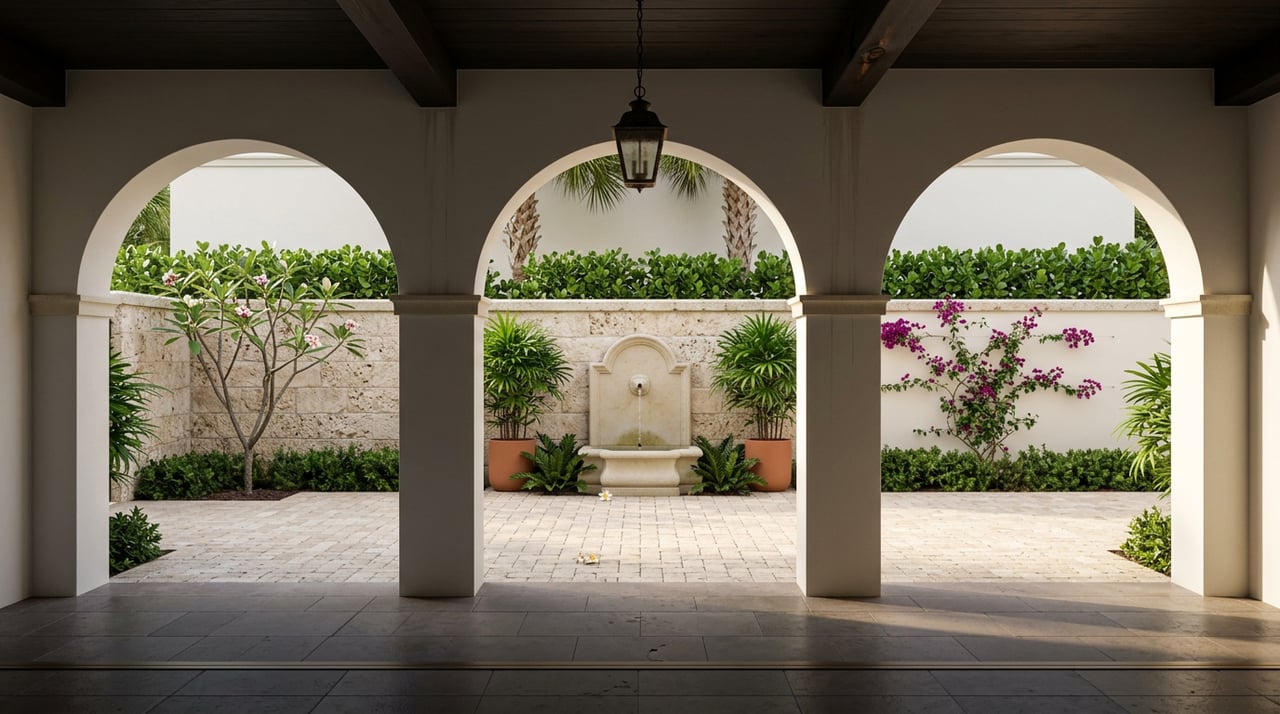
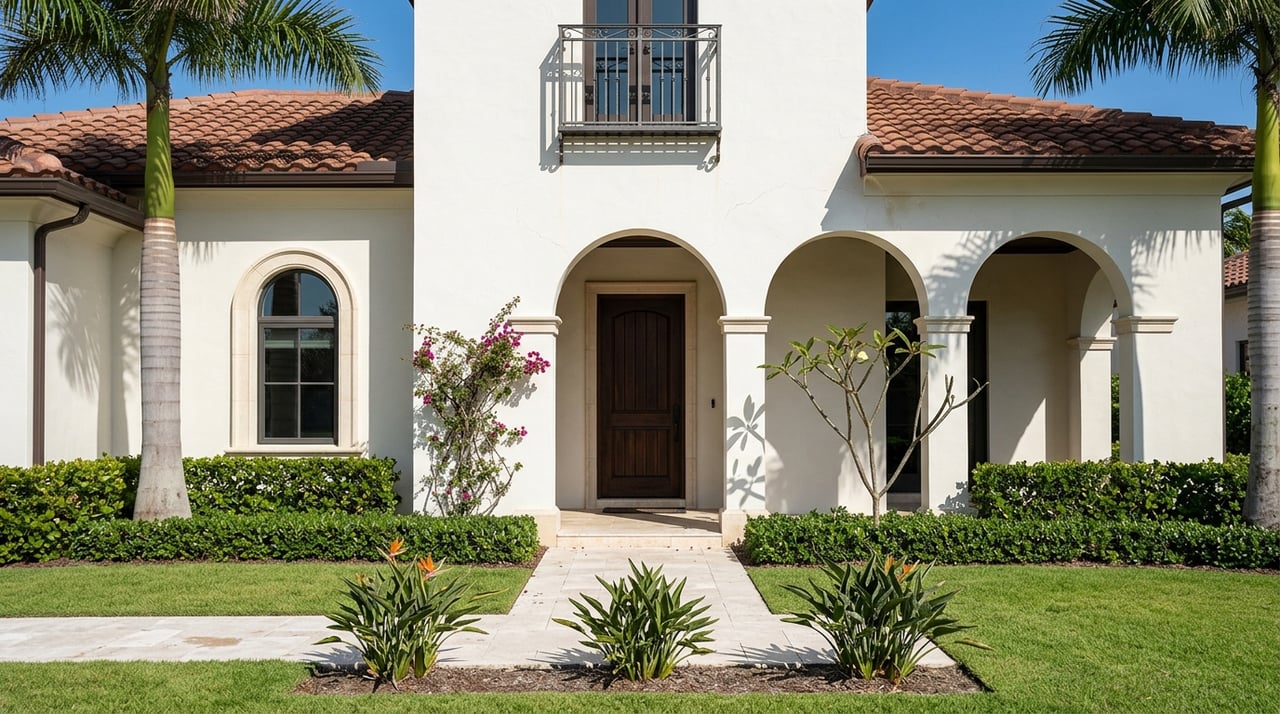
If you love handcrafted details, historic Coral Gables delivers. Common exteriors include smooth stucco, red or terracotta tile roofs, arched openings, wrought‑iron accents, and garden courtyards. These features are central to the city’s heritage and remain visible across many blocks and designated properties, which you can see in the city’s historical landmarks resources.
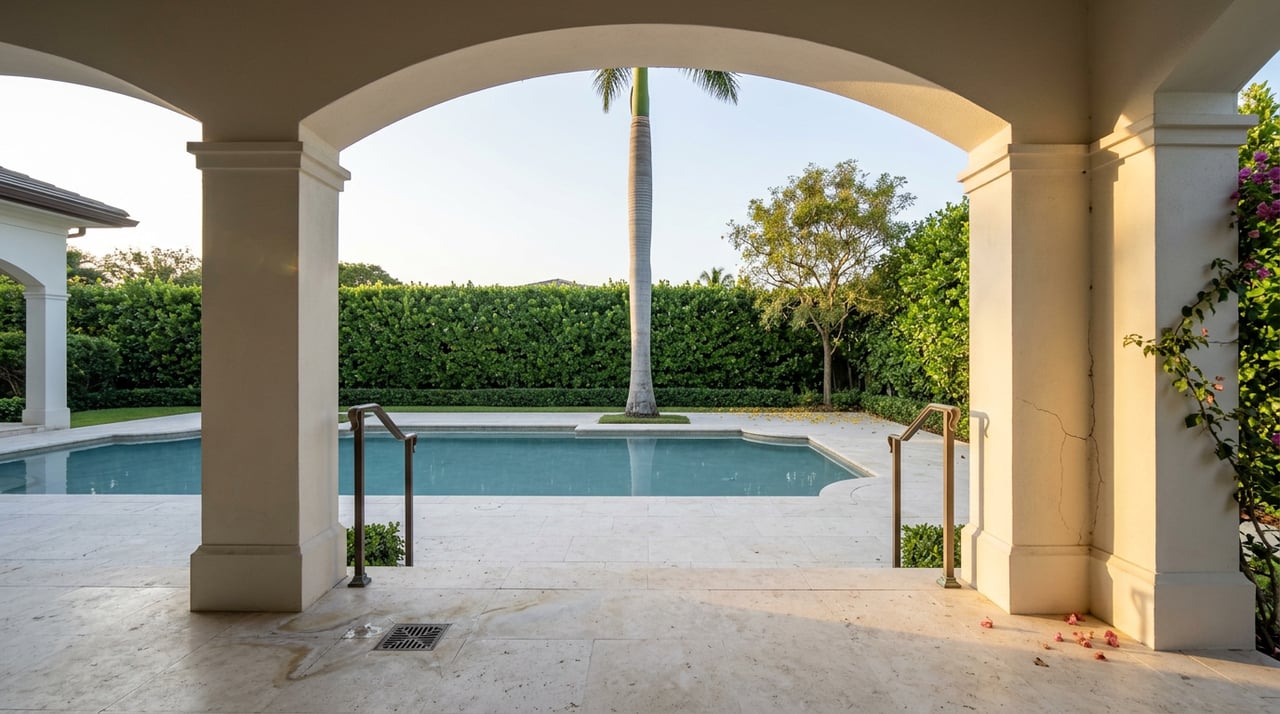
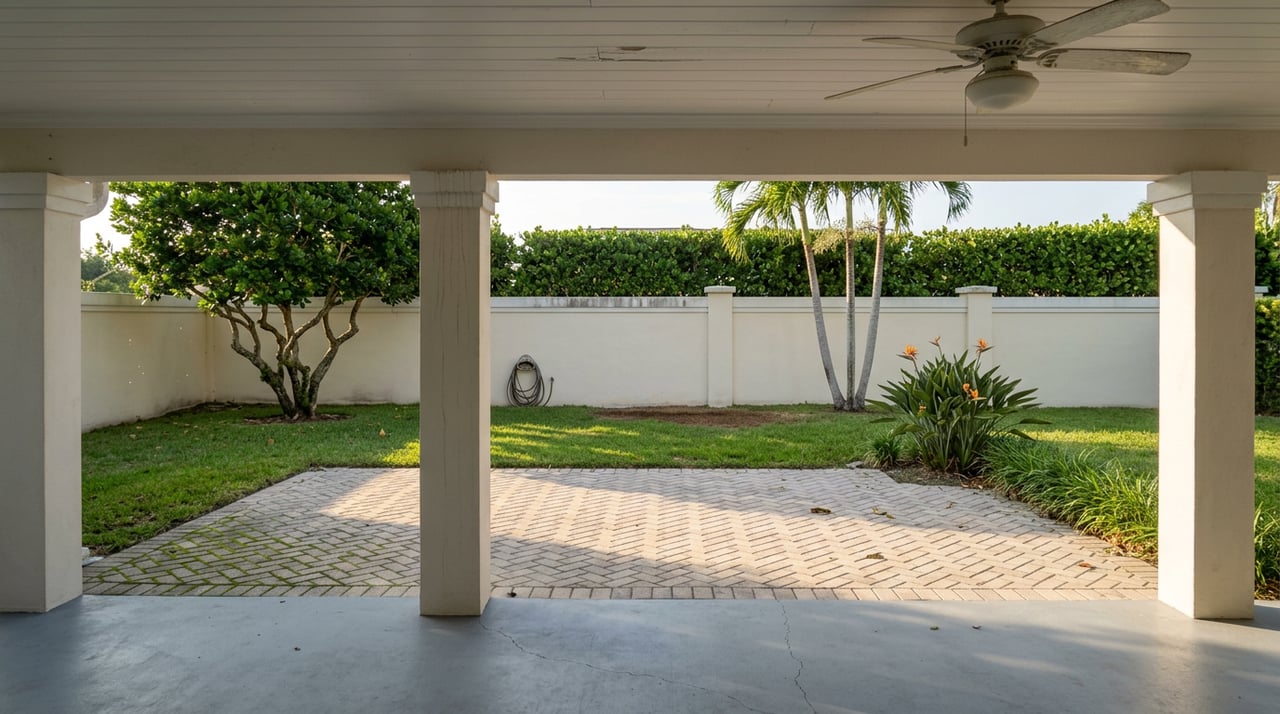
Older homes often have formal living and dining rooms, separate kitchens, and a clear sense of sequence from room to room. High ceilings, plaster finishes, built‑ins, and tile or hardwood patterns are common. Many homes open to covered porches, loggias, or courtyards that connect daily life to lush outdoor spaces.
Before you commit to a historic house, focus on the systems that affect comfort, insurance, and risk:
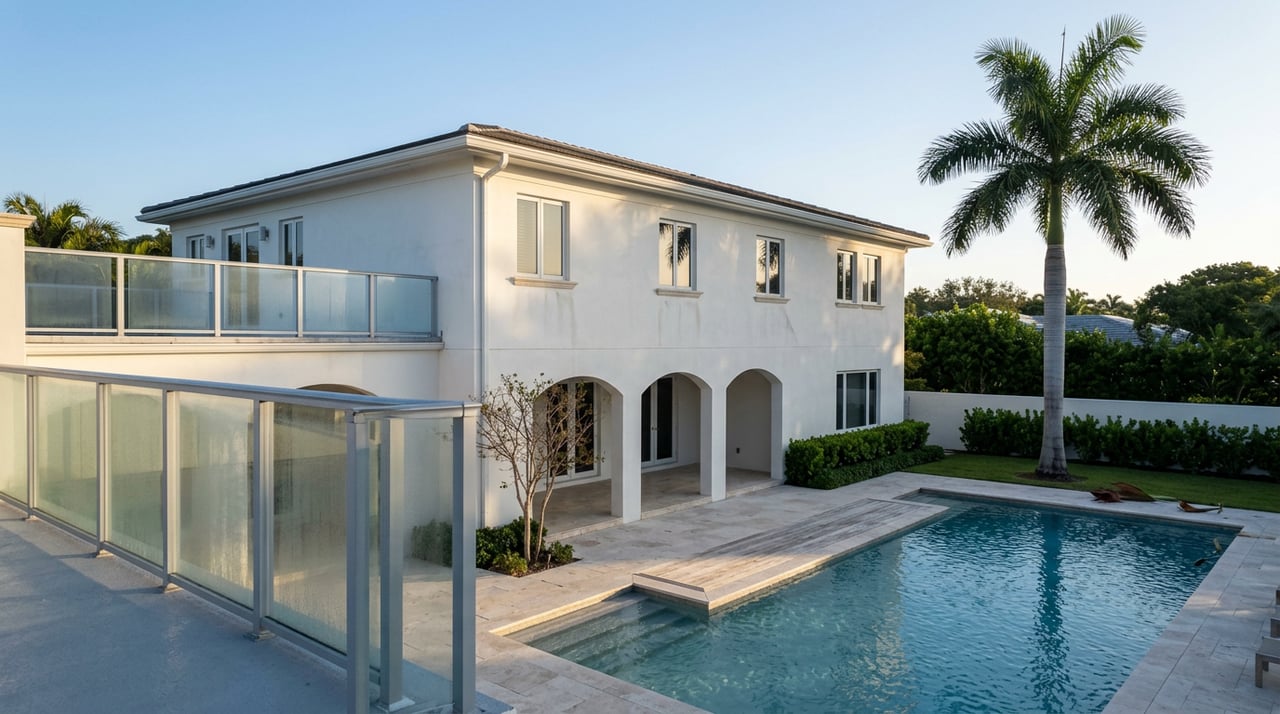
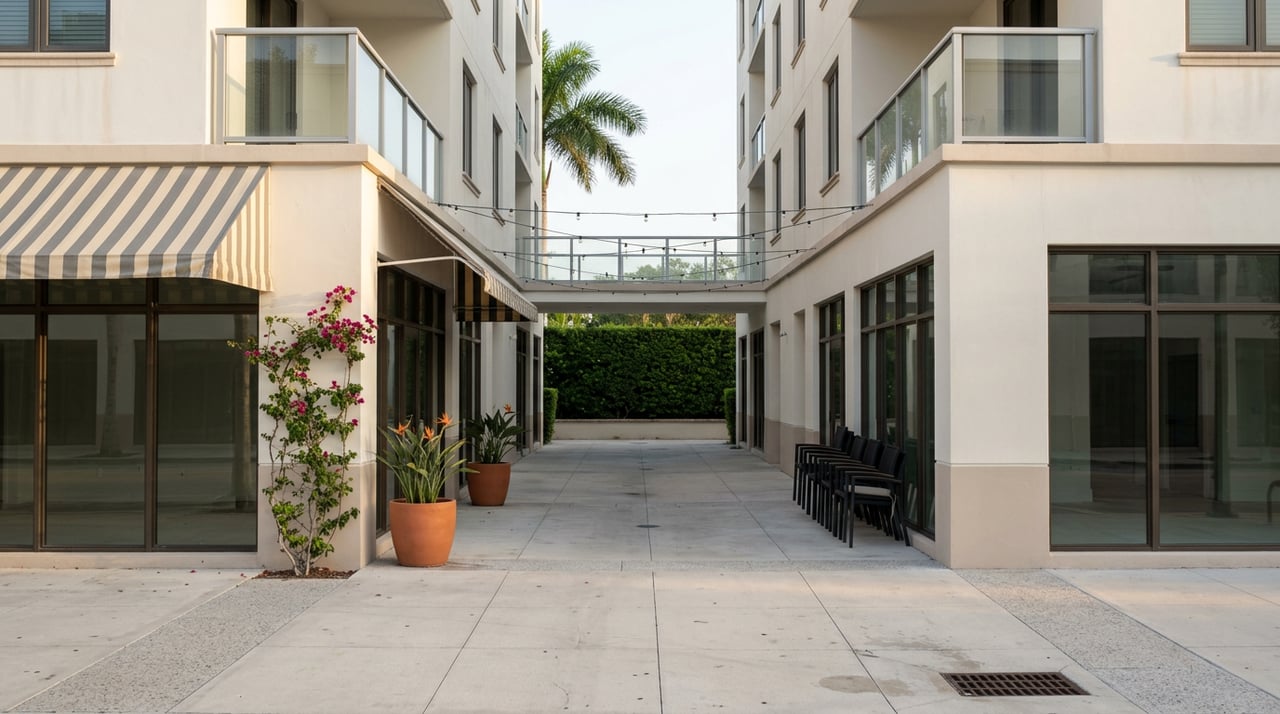
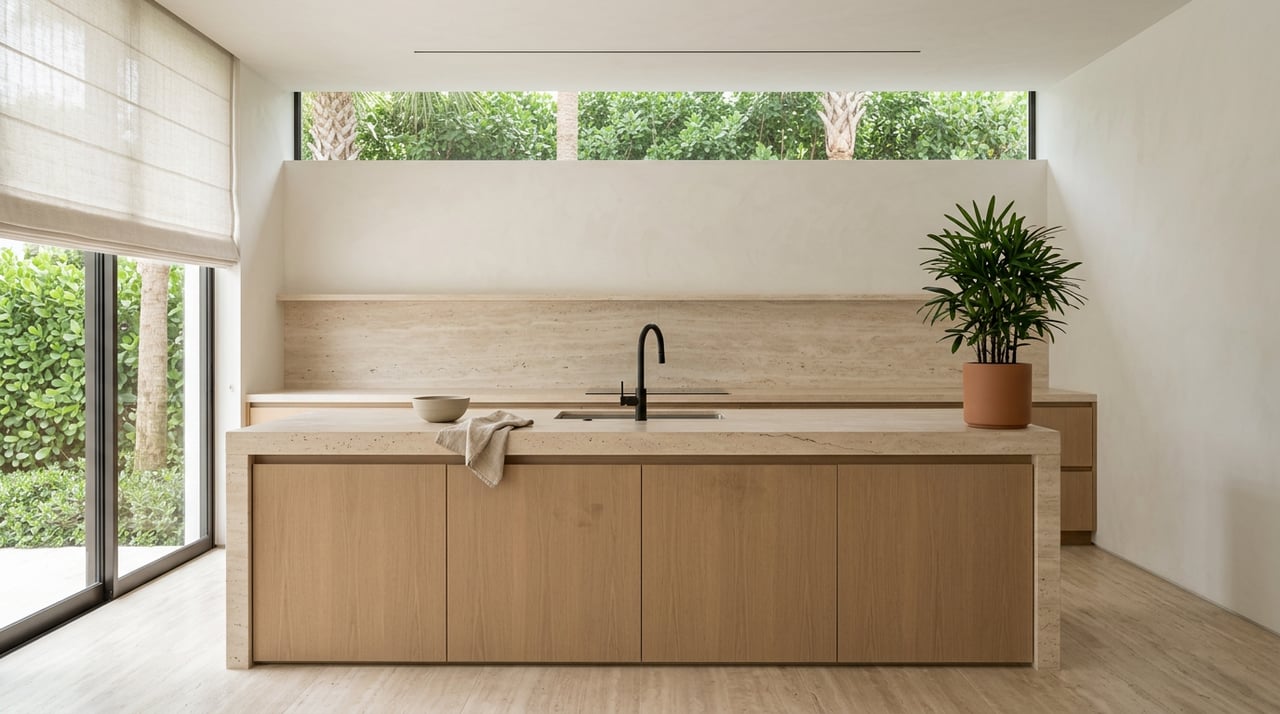
Newer homes in Coral Gables tend to follow two paths. Some lean fully contemporary with clean lines, large glass, and indoor‑outdoor flow. Others reinterpret Mediterranean forms with a modern twist, pairing regional materials with current proportions and details. Both typically meet current wind and structural codes.
You can expect open great rooms, large kitchens with islands, and walls of glass that stack open to terraces and pools. Bedrooms are often en‑suite, and plans may include a study, media room, or flexible space for guests. Behind the scenes, newer homes usually offer zoned HVAC, higher‑capacity electrical service, EV readiness, and integrated smart systems.
Newer construction typically includes impact‑rated windows and doors, reinforced roof assemblies, and better insulation. These features can reduce energy use and help with insurance underwriting in high‑wind zones. For a concise rundown on why this matters, review the benefits of impact windows.
Coral Gables has a local preservation framework. If a property is locally designated, exterior alterations usually require a Certificate of Appropriateness (COA). Minor maintenance may be approved administratively, but larger changes or demolitions can require board review and hearings. The city’s preservation guide explains eligibility, documentation, and criteria in detail. Start with the city’s Preserving Our Past guide.
Plan for roughly 2 to 3 months for a straightforward COA review that goes to the board. Complex projects, revisions, or variances can extend that timeline. Building permits for structural, mechanical, electrical, and plumbing run through the Building Department and should be coordinated in parallel with the COA path when possible.
Florida law affects when municipalities can block demolition for certain single‑family homes that sit at or below base flood elevation in designated flood zones. In Coral Gables, that has shaped outcomes for select properties where elevation and flood‑resiliency needs lead redevelopment. If you are evaluating tear‑down potential or a major replacement, read the text of Florida Statute 553.79 and confirm parcel‑specific rules.
If you plan a careful restoration of a designated property, Coral Gables provides a form of ad valorem tax relief for approved rehabilitations under specific conditions. The Preserving Our Past guide outlines how the program works, what qualifies, and how to apply.
Coral Gables includes both interior areas and waterfront neighborhoods. Mortgage lenders require flood insurance for properties in certain FEMA zones. Before you write an offer, verify the FEMA zone, base flood elevation, and whether the finished floor sits at or above that level. Start with FEMA’s Florida community resources and confirm details with your insurance professional.
A home’s flood status can influence insurance premiums and what level of remodel triggers code compliance or elevation requirements. It may also intersect with the state’s demolition rules discussed above. Features like impact windows, updated roofs, and elevated finished floors often improve underwriting outcomes.
Florida’s insurance market has seen notable changes in recent years. Rates and policies continue to evolve, with outcomes influenced by roof age, mitigation features, and flood‑zone status. For context on statewide changes, see this recent report on Citizens rates. Always obtain property‑specific quotes during your due diligence.
Historic homes reward you with craftsmanship and mature landscapes, but you should budget for selective system work. Cosmetic refreshes often sit in the tens of thousands. Mid‑range kitchen or bath remodels and targeted system upgrades can reach into the low six figures. Full gut renovations or structural rework with historic‑quality finishes commonly run in the range of $100 to $300 per square foot, depending on scope and finish level. A 15 to 25 percent contingency is smart on older homes where hidden issues can emerge. See this trade source on renovation and upgrade costs, and factor in roof, plumbing, electrical, and storm‑mitigation work.
For systems‑first planning, set aside early budget for these items:
Depending on condition and house size, cumulative mid‑range system work can reach $40,000 to $150,000 or more. Newer builds reduce much of that near‑term risk by starting at current code and modern specs.
Choosing between an Old Spanish gem and a modern build comes down to how you want to live, your appetite for projects, and your risk profile. If you crave handcrafted character and mature landscapes, a historic home can be deeply rewarding with a smart systems plan. If you want modern flow, lower near‑term maintenance, and built‑in resiliency, a newer home will likely fit you best. When you are ready to compare specific addresses, I will pull private and on‑market options, align them with your budget and timeline, and coordinate the right inspectors and vendors to protect your downside.
Ready to walk through your short list and map the next steps in Coral Gables or greater Miami‑Dade? Let’s schedule a quick plan call. You can start with a data‑driven property list, private access where available, and a step‑by‑step due diligence timeline curated by Eric Edward Exhibits.
Stay up to date on the latest real estate trends.

Eric Periu
Primary phone
Address
20803 Biscayne Blvd
Aventura FL 33180